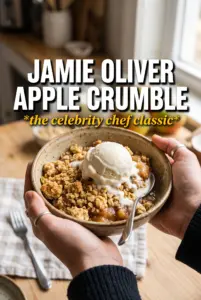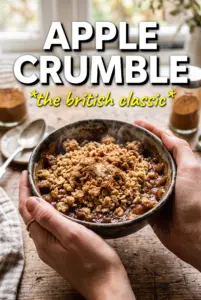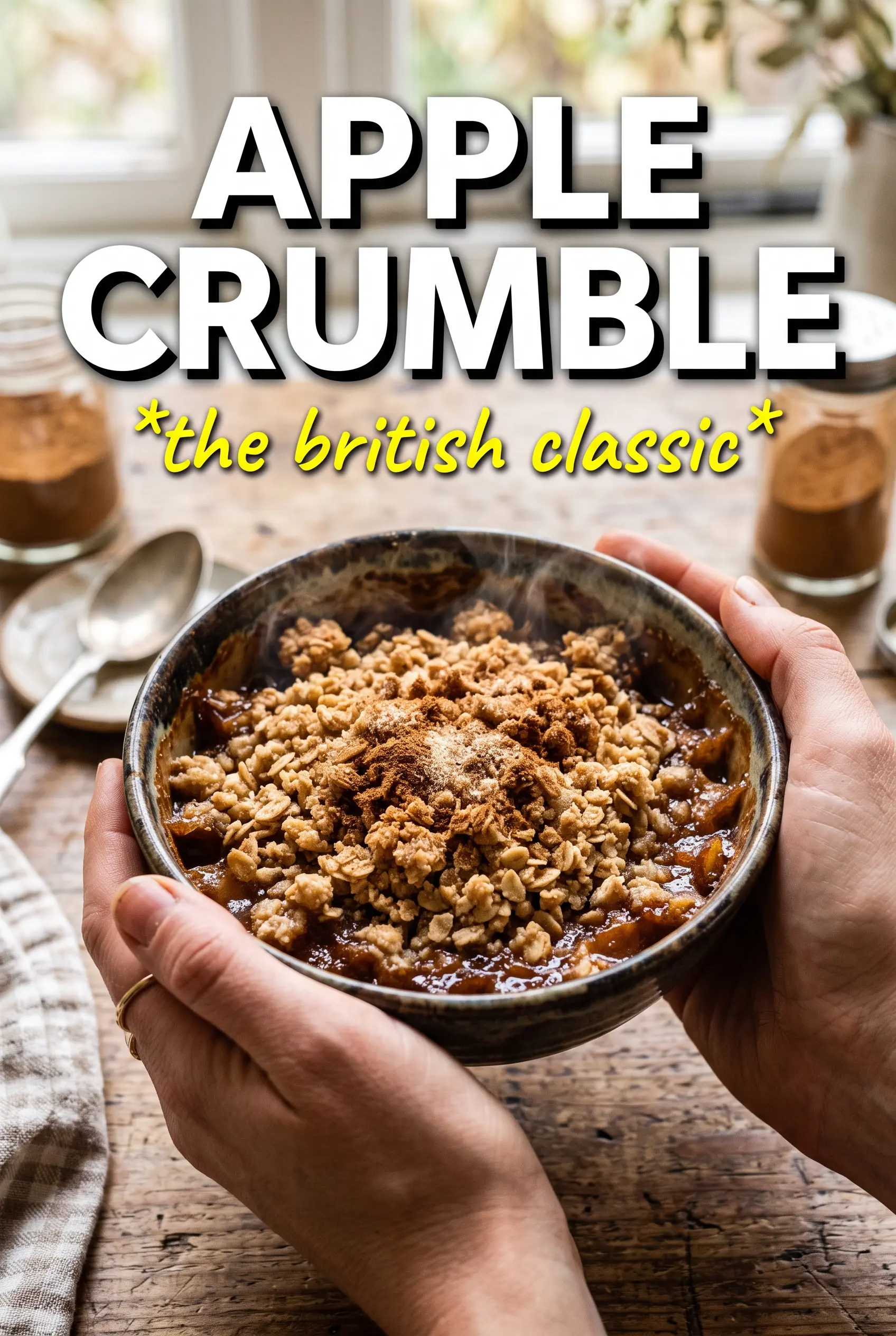
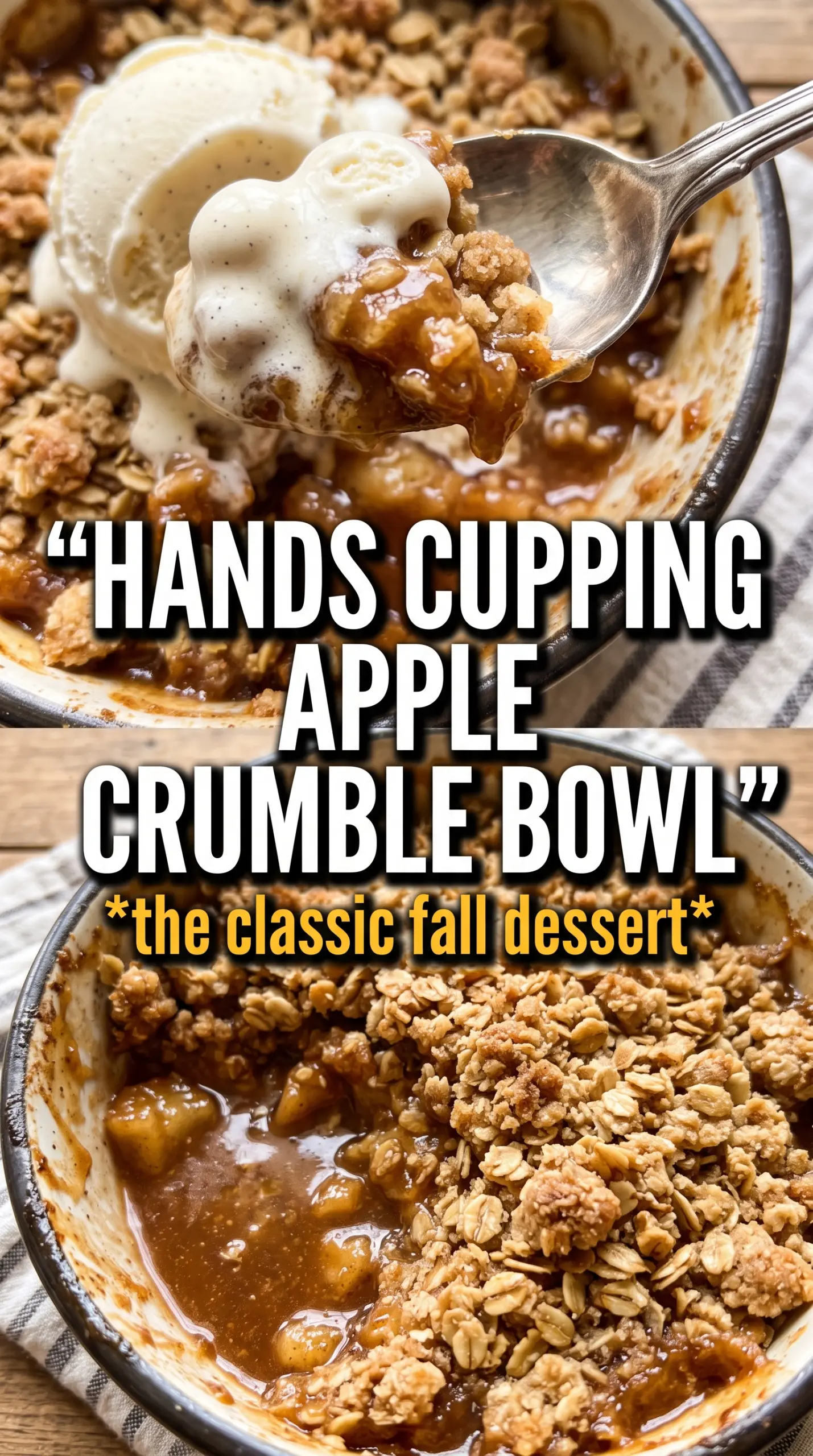
Apple crumble lands on the table with tender, jammy apples underneath a sandy, golden topping that turns crisp at the edges and stays a little tender in the middle. It’s the kind of dessert that feels old-fashioned in the best way: simple ingredients, no fuss, and a spoonful of warm fruit under a buttery crust that never gets old.
The part that makes this version work is the contrast. Cooking apples hold their shape just enough, so you get soft slices instead of apple sauce, while the crumble stays loose and irregular instead of becoming a flat blanket. Cold butter matters here. It creates those small pockets that bake into crisp little ridges instead of melting straight into the flour.
Below, I’ve included the little details that keep the topping crumbly and the filling from turning watery, plus a few ways to serve it depending on whether you want custard, cream, or ice cream.
The topping baked up sandy and crisp instead of doughy, and the apples were soft without turning mushy. I used custard on top and my kitchen smelled like a proper bakery.
Save this apple crumble for the nights when you want a buttery topping and soft cinnamon apples with almost no effort.
The Trick to Keeping the Topping Crumbly, Not Pasty
The crumble topping lives or dies by the butter. If the butter is warm, it disappears into the flour and you get a paste that bakes up dense instead of sandy. Cold cubed butter rubbed in with your fingertips gives you uneven bits, and those bits are what become crisp, buttery clusters in the oven.
The other thing that matters is not packing the topping down over the apples. Sprinkle it over in an even layer and leave it loose. That open texture lets steam escape while the top browns, which is why you end up with a crisp crust instead of a steamed lid.
What Each Ingredient Is Actually Doing in This Dish
- Cooking apples — Bramley apples are classic if you can get them, but any firm cooking apple works. You want slices that soften and release a little juice without collapsing into a puree.
- Lemon juice — This keeps the apple flavor bright and stops the slices from tasting flat. It also helps the filling stay lively after baking.
- Plain flour — This gives the crumble its structure. Self-raising flour changes the texture too much here and can make the topping more cakey.
- Cold unsalted butter — Use it straight from the fridge. Salted butter works in a pinch, but unsalted gives you more control and the cold temperature is what keeps the topping crumbly.
- Both sugars — Granulated sugar gives sweetness and crunch, while light brown sugar adds a little caramel note and helps the topping brown more deeply.
- Cinnamon — A small amount goes a long way. It should support the apples, not turn the whole dessert into spice cake.
Building the Crumble So It Bakes Up Crisp
Coating the Apples First
Toss the apple slices with sugar, cinnamon, and lemon juice before they go into the dish. That step pulls a little juice out of the fruit, which becomes the syrupy base you want under the topping. Spread the apples evenly so the crumble bakes at the same rate from edge to center. If the pile is uneven, the middle stays underdone while the edges go soft.
Rubbing in the Butter
Work the cold butter into the flour until the mix looks like coarse breadcrumbs with a few larger pieces. Those bigger pieces matter because they melt into flaky, crisp bits as the crumble bakes. Stop before the mixture turns smooth or greasy. If it starts to clump into a dough, the butter has warmed too much and the topping will bake up heavy.
Baking Until the Edges Bubble
Bake the crumble until the top is pale golden and the apple juices are bubbling at the edges of the dish. That bubbling is your best sign that the fruit has softened and the filling has thickened enough. If you pull it too early, the apples stay firm and the juices stay thin. Let it stand for a few minutes before serving so the filling settles instead of running all over the plate.
Three Ways to Adjust It Without Losing the Character of the Dessert
Make It Dairy-Free
Swap the butter for a solid plant-based baking block, not a soft tub spread. You still want it cold and cubed so the topping keeps that crumbly texture. The flavor is a little less rich, but the structure holds well.
Use Pears Alongside the Apples
Replace up to one-third of the apples with firm pears for a softer, perfume-like filling. Pears release more liquid, so keep the fruit in a single even layer and don’t overdo the swapping or the base can turn loose. The result is gentler and a little more delicate.
Make It Gluten-Free
Use a good 1:1 gluten-free flour blend in place of the plain flour. The topping will be a touch more delicate and sandy, but it still bakes into a crisp crust if you keep the butter cold and avoid overmixing.
Storage and Reheating
- Refrigerator: Keeps for 3 days. The topping softens a little in the fridge, but the flavor stays good.
- Freezer: Freezes well after baking. Cool completely, wrap tightly, and freeze for up to 2 months. Thaw in the fridge before reheating.
- Reheating: Warm in a 180C (350F) oven until hot through. The oven brings back the crumble texture far better than the microwave, which tends to turn the topping soggy.