Fresh cranberry orange sauce lands on the table with that sharp, glossy pop that makes turkey, roast chicken, and even a plain spoonful of leftovers feel a little more special. The cranberries break down into a jewel-bright sauce while the orange keeps it from tasting flat or one-note. What you get is tart, sweet, and clean, with enough texture left behind to feel homemade instead of processed.
The trick is building the base with orange juice before the cranberries go in. That gives the sauce a stronger citrus backbone and helps the sugar dissolve cleanly, so you don’t end up with gritty cranberry sludge at the bottom of the pan. The orange zest goes in off the heat because its aroma is brightest when it isn’t boiled away, and the fresh segments are folded in at the end so they stay juicy instead of falling apart.
Below, I’ve included the small details that matter most: when to stop simmering, how to keep the orange pieces intact, and what to change if you want a smoother sauce or a make-ahead version for a holiday table.
I liked that the sauce thickened on its own as it cooled, and the orange segments stayed bright instead of turning mushy. I made it the day before dinner and it held up perfectly in the fridge.
Save this bright cranberry orange sauce for the turkey, ham, or roast chicken night when you want a tart, glossy side that tastes fresh, not canned.
The Secret to Keeping Cranberry Sauce Bright Instead of Muddy
Most cranberry sauces fail in one of two ways: they’re either too sharp and thin, or they cook so long that the fruit loses its clean color and fresh pop. The sweet spot is a short simmer. Cranberries need time to burst and release pectin, but they don’t need a long reduction. Once most of the berries have popped and the sauce starts to look glossy and lightly thickened, you’re there.
The other thing that matters is when the orange goes in. If you cook the zest and segments from the beginning, the zest turns flat and the orange pieces lose their shape. Adding zest after the pan comes off the heat keeps the citrus oils lively, and folding in the orange segments at the end preserves those juicy little pockets of sweetness.
What Each Ingredient Is Actually Doing in This Sauce
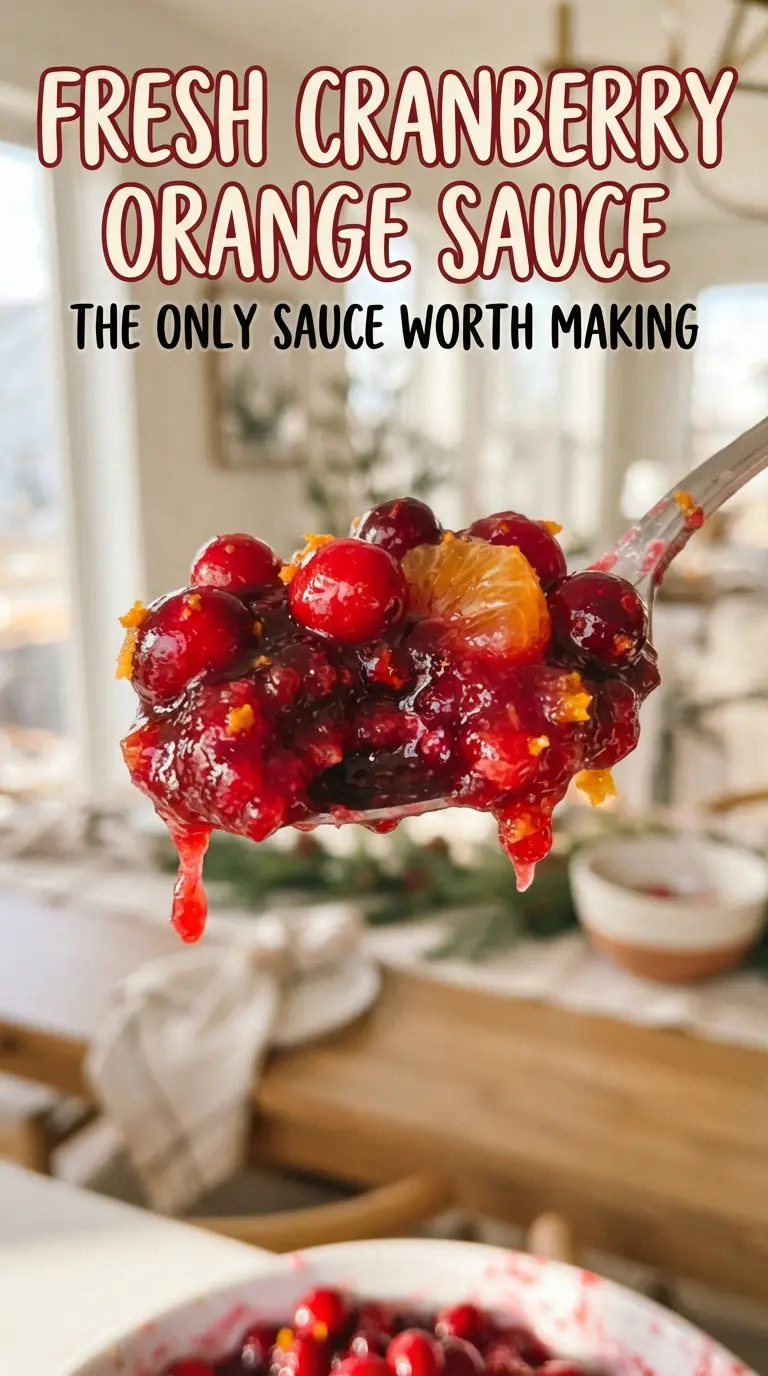
- Fresh cranberries — These are the backbone of the sauce. They break down as they heat, and that natural pectin is what gives the sauce its body without adding cornstarch. Frozen cranberries work too, and you don’t need to thaw them first; just expect the mixture to take a minute or two longer to come back to a simmer.
- Sugar — This softens the cranberries’ sharp edge and helps the juices turn syrupy instead of puckery. You can reduce it slightly if you like a tarter sauce, but don’t cut it too far or the fruit can taste harsh and one-dimensional.
- Fresh orange juice — This does more than add liquid. It gives the sauce a rounder citrus flavor than water ever could, and it helps the sugar dissolve before the cranberries go in. Bottled juice will work in a pinch, but fresh juice tastes cleaner and brighter here.
- Orange zest — Zest is where the orange aroma really lives. It should be added after cooking so the oils stay fragrant instead of boiling off. Use a fine grater and avoid the bitter white pith underneath.
- Orange segments — These are for texture and little bursts of fresh juice. Peel and segment the orange carefully so you’re cutting out the membrane, not just chopping the fruit into rough chunks. Fold them in gently once the sauce cools a bit so they stay intact.
- Pinch of salt — This doesn’t make the sauce salty. It sharpens the fruit flavor and keeps the sweetness from tasting dull.
Building the Sauce So the Orange Stays Fresh
Boiling the Base First
Start by bringing the orange juice and sugar to a full boil in a saucepan. Stir just until the sugar dissolves, then stop fussing with it. If the sugar isn’t fully melted before the cranberries go in, you can end up with uneven sweetness and a grainy bottom layer. Once the liquid is clear and bubbling, it’s ready.
Letting the Cranberries Burst
Add the cranberries and salt, then lower the heat to a steady simmer. You want enough heat to hear a gentle pop as the berries burst, not a hard boil that splashes and reduces the liquid too fast. After about 10 minutes, most of the berries should have split open and the sauce should look thick around the edges with a looser center.
Finishing With Zest and Segments
Take the pan off the heat before stirring in the orange zest. That keeps the citrus oils bright. Let the sauce cool for a few minutes, then fold in the orange segments with a light hand. If you stir too aggressively while the sauce is still piping hot, the segments tear and the whole mixture turns muddy instead of jewel-like.
Three Ways to Make This Sauce Fit Your Table
Smooth Cranberry Orange Sauce
Blend the sauce after simmering if you want a smoother texture that spreads more easily on turkey sandwiches or toast. Leave the orange segments out before blending, then stir in a few fresh ones at the end for texture. This version tastes a little more polished and less rustic.
Lower-Sugar Version
Cut the sugar back to 1/2 cup if you prefer a sharper cranberry bite. The sauce will still thicken, but it will set a little looser and taste more tart than sweet. This is a good choice if you’re serving it alongside rich mains and want contrast.
Vegan and Naturally Gluten-Free
This recipe already fits both needs as written, which is part of why it’s such a useful side dish. Just double-check that your sugar brand is one you’re comfortable using, and serve it chilled or at room temperature for the cleanest texture. No other changes are needed.
Storage and Reheating
- Refrigerator: Store in a covered container for up to 1 week. It thickens as it chills, so don’t judge the final texture while it’s still warm.
- Freezer: It freezes well for up to 2 months. Freeze in a sealed container with a little headspace, then thaw overnight in the fridge.
- Reheating: Cranberry sauce is usually best served cold or at room temperature, but if you want it warm, heat it gently on low just until loosened. High heat can make the orange pieces break down and the sauce can turn loose again.
Answers to the Questions Worth Asking
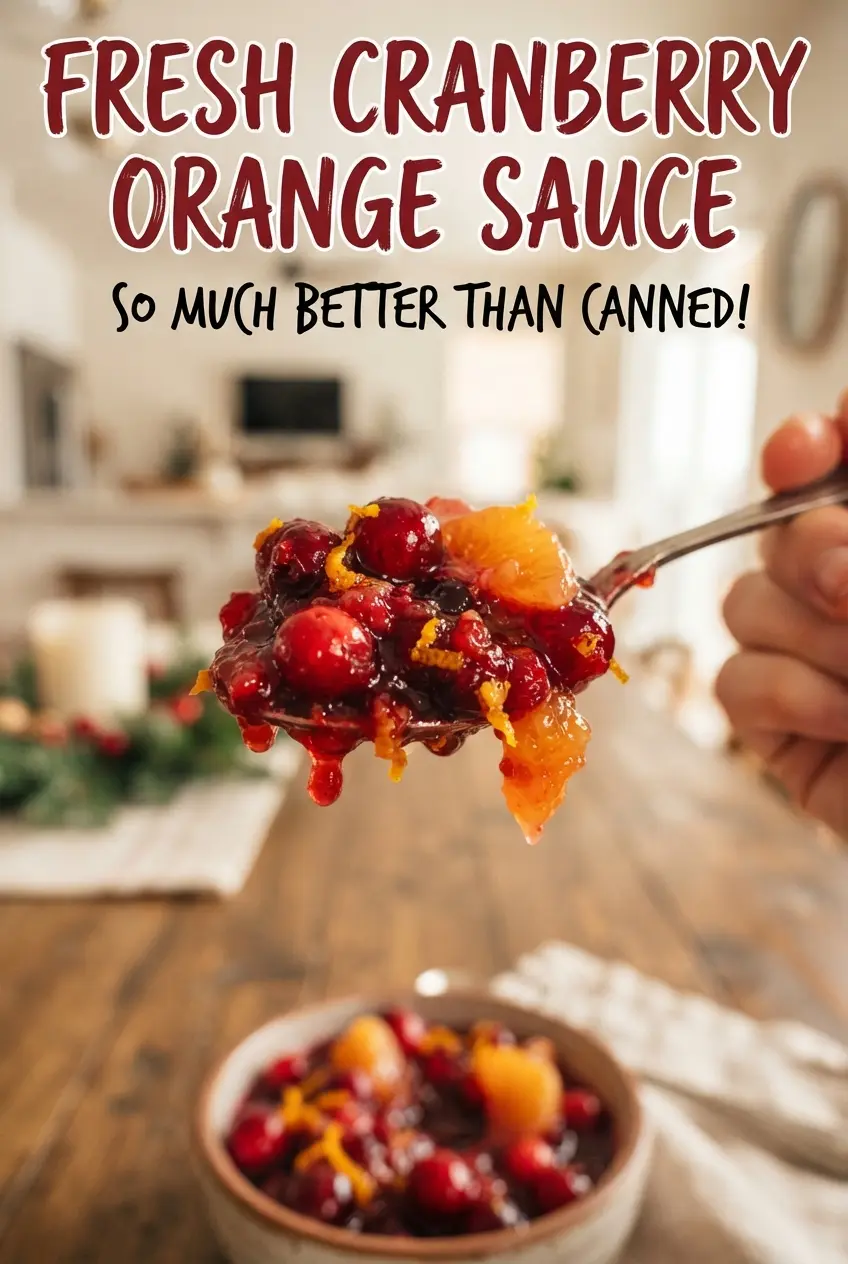
Fresh Cranberry Orange Sauce
Ingredients
Equipment
Method
- In a saucepan, bring the sugar and fresh orange juice to a boil over medium-high heat, stirring until the sugar dissolves and the mixture looks glossy. When it reaches a steady boil, keep it at that temperature and prepare to add the berries.
- Add the fresh cranberries and salt to the boiling mixture and return to a simmer. Simmer for 10 minutes at a steady, gentle bubbling until most of the berries burst and the sauce thickens slightly, with a few berries still holding shape.
- Remove the saucepan from the heat and stir in the orange zest. Cook time stops here—transfer the pan off the burner so the zest stays bright.
- Cool slightly for 5 minutes, then gently fold in the orange segments. Stop stirring as soon as the segments are evenly distributed to keep them from breaking.
- Chill the sauce until serving, covering it to prevent a skin from forming. Refrigerate for at least 1 hour, until cold and spoonable.