Pico de gallo lives or dies on balance. When it’s done right, the tomatoes stay chunky and bright, the onion brings bite without taking over, and the lime and salt pull everything into one clean, juicy spoonful. It’s the kind of fresh salsa that disappears fast because it wakes up whatever it’s served with, from tacos to scrambled eggs to a plain basket of chips.
The trick is managing moisture. Roma tomatoes are worth using here because they give you flavor without flooding the bowl, and removing the excess seeds keeps the salsa crisp instead of watery. Finely dicing the onion and jalapeños matters too; you want their sharpness spread through every bite, not sitting in big aggressive pieces. The short rest at the end isn’t optional either. Fifteen minutes gives the salt time to draw out just enough juice to season the whole bowl without turning it soggy.
Below, I’m breaking down the small choices that make this version taste clean and authentic, plus what to change if your tomatoes are extra juicy or you want more heat.
The tomatoes stayed chunky and the lime didn’t drown everything out. After the 15-minute rest, it tasted just like the fresh pico we get with tacos at our favorite restaurant.
Save this pico de gallo for taco night, because the chunky tomatoes and crisp jalapeño bite are exactly what you want when dinner needs a fresh finish.
The Mistake That Turns Pico de Gallo Watery and Flat
Pico de gallo fails for one simple reason: the tomatoes give off too much liquid, and nobody plans for it. If you leave the seeds and loose juice in the bowl, the salt pulls that moisture out even faster and the whole thing starts tasting thin instead of fresh. Roma tomatoes solve most of that problem because they’re meatier and less seedy than slicing tomatoes, but the prep matters just as much as the variety.
Dice the tomatoes small enough to hold their shape, then scoop out the extra seed pulp before they go in. The onion and jalapeño should be cut fine enough that every spoonful gets a little sharpness, but not so fine they disappear. And don’t skip the rest time. That short pause lets the salt season the tomatoes all the way through while the ingredients stay crisp, which is what separates good pico from a sad bowl of chopped salad.
What Each Ingredient Is Actually Doing in This Bowl
- Roma tomatoes — These are the backbone of the salsa. They hold their shape better and release less water than juicier tomatoes, which keeps the final texture chunky instead of soupy. If you have to use another variety, drain the diced tomatoes in a sieve for a few minutes before mixing.
- White onion — White onion gives the sharp, clean bite that makes pico taste bright and savory. Red onion can work in a pinch, but it brings a sweeter edge and a darker color. If the onion tastes harsh, soak the diced pieces in cold water for 5 minutes, then drain well before adding them.
- Jalapeños — They bring heat without overpowering the fresh tomato flavor. Leave some seeds in if you want more kick, or remove them for a gentler salsa. Fresh is nonnegotiable here; pickled peppers change the whole dish.
- Cilantro — Cilantro gives pico its fresh, herbal finish. Chop it finely so it disappears into the mix instead of clumping. If you’re one of those people who tastes soap, leave it out and add a little extra lime zest for brightness.
- Fresh lime juice — Bottled lime juice tastes dull and can make the salsa seem flat. Fresh juice lifts the tomatoes and helps the salt spread through the bowl. Add it right before the rest so it can start seasoning everything evenly.
Building the Fresh Salsa So It Stays Crisp
Cut the tomatoes with moisture in mind
Use a sharp knife and cut the Roma tomatoes into small, even dice. As you work, scoop out the watery seed pockets so they don’t pool at the bottom of the bowl. If the tomatoes are extra ripe, let the diced pieces sit in a strainer for a few minutes before mixing. That little bit of drainage makes the difference between a spoonable salsa and one that collapses into juice.
Keep the onion and jalapeño fine and even
Finely dice the onion so it blends into the salsa instead of landing in harsh chunks. Mince the jalapeños small enough that the heat spreads through the whole bowl. If you want a cleaner pepper flavor, remove the seeds and white ribs; if you want more burn, leave some in. Uneven chopping is what makes one bite too sharp and the next one bland.
Season, toss, and give it time
Add the lime juice, salt, and black pepper, then toss gently so you don’t crush the tomatoes. The bowl will look a little dry at first, then after 15 minutes the salt starts pulling out enough juice to coat everything. That resting time is where the flavor comes together. Serve it once the tomatoes look glossy and the onions have softened just slightly.
How to Adapt This for More Heat, Less Heat, or No Cilantro
Milder pico for mixed spice tolerance
Remove all the jalapeño seeds and ribs, then use just one pepper instead of two. You’ll still get the fresh green flavor without the lingering heat that can overpower chips or eggs. If it still tastes sharp, add a few more spoonfuls of tomato and a pinch more salt.
Dairy-free and naturally vegetarian as written
This recipe is already dairy-free and vegetarian, which is part of why it works so well as a condiment. If you’re serving it with richer dishes, a little extra lime keeps it tasting bright. The texture stays the same no matter what you pair it with, which makes it an easy add-on for tacos, bowls, and grilled vegetables.
No cilantro version that still tastes fresh
Skip the cilantro and add a small pinch of extra lime zest for brightness. The salsa will taste cleaner and less herbal, which some people prefer anyway. Don’t replace cilantro with dried herbs; they don’t belong in a fresh pico and they’ll make the bowl taste dusty.
For the best make-ahead texture
If you want to make it a few hours ahead, keep the tomatoes and the salt separate until closer to serving. Salting too early pulls out more liquid, and pico loses that fresh crunch. Mix everything together only after you’re about 15 to 30 minutes from serving.
Storage and Reheating
- Refrigerator: Store in an airtight container for up to 2 days. It will release more liquid as it sits, so the texture gets softer and a little wetter.
- Freezer: Don’t freeze pico de gallo. The tomatoes lose their structure and turn mushy when thawed.
- Reheating: Not needed. Serve it cold or at room temperature, and give it a quick drain if extra liquid collects in the bowl before serving.
Answers to the Questions Worth Asking
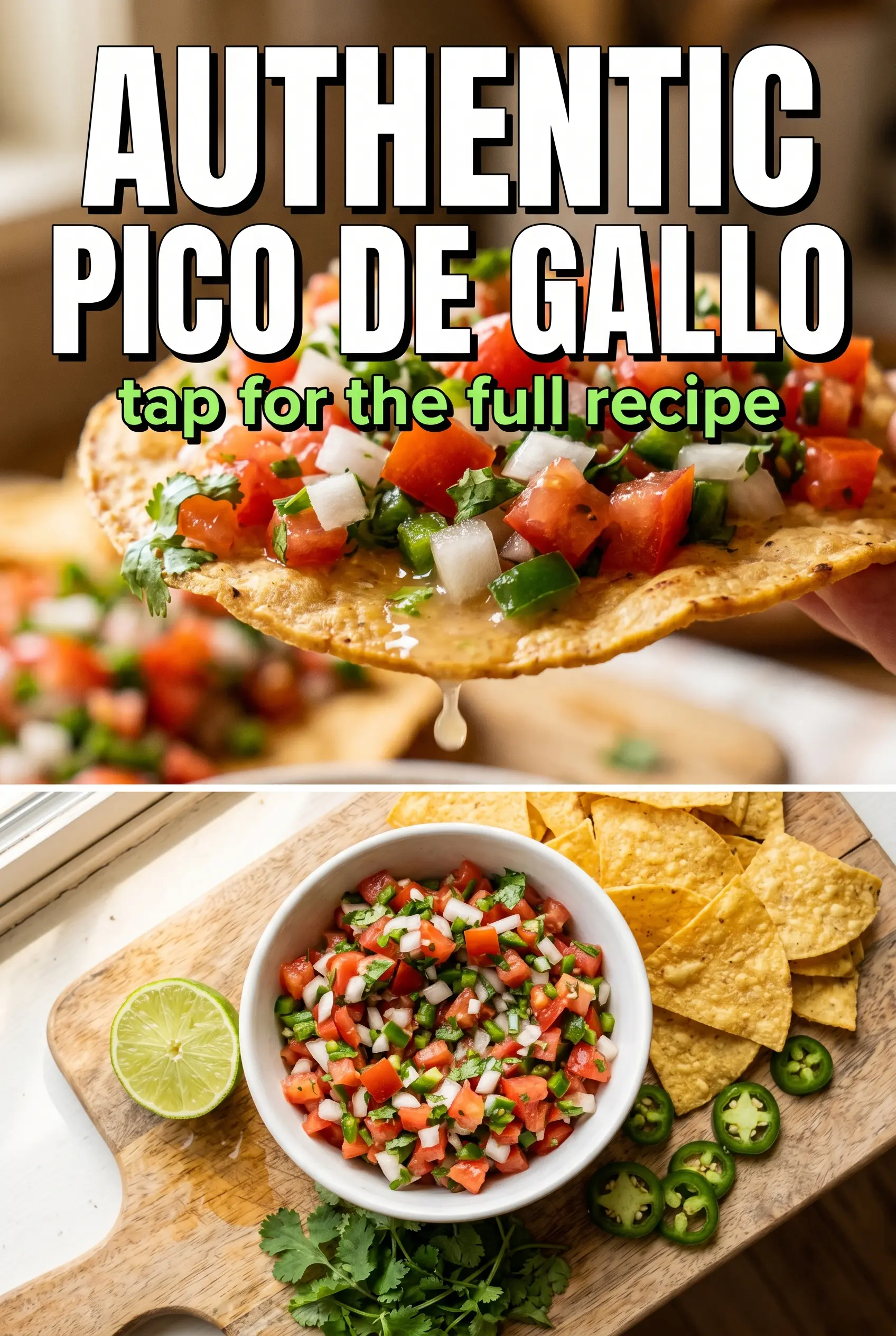
Authentic Pico de Gallo
Ingredients
Method
- Finely dice the Roma tomatoes, removing excess seeds and juice, then place them in a mixing bowl.
- Finely dice the white onion and add it to the bowl with the tomatoes.
- Mince the jalapeños and finely chop the cilantro, then add both to the bowl.
- Squeeze the lime juice over the mixture, then sprinkle with salt and black pepper.
- Gently toss everything together until the tomatoes are evenly coated.
- Let the pico de gallo sit for at least 15 minutes at cool room temperature so the flavors meld, then serve as a condiment.