Warm cinnamon apples tucked inside a sealed foil packet come off the fire soft, glossy, and just sweet enough to taste like pie without the work of making a crust. The graham cracker topping turns slightly toasty inside the steam, and when you open the packet, you get that instant hit of buttery fruit and campfire smoke that makes people hover near the grate waiting for theirs.
What makes these packets work is the balance of moisture and heat. The apples need to be sliced evenly so they cook at the same pace, and the foil has to be sealed well enough to trap steam without bursting open. Heavy-duty foil matters here because thinner foil can tear when the sugar melts and the juices start bubbling. Brown sugar gives the filling that caramel note, cinnamon and nutmeg do the heavy lifting on flavor, and the graham crumbs stand in for a crust without turning soggy.
Below, I’ve included the little timing details that keep the apples tender instead of mushy, plus a few easy swaps if you want to serve these at a cookout instead of a campsite. The method is simple, but a couple of small choices change the texture a lot.
The apples came out tender but not mushy, and the graham cracker topping stayed a little crisp even after opening the packets. We served them right out of the foil with ice cream, and nobody missed actual pie crust.
Keep these Campfire Apple Pie Packets handy for the nights when you want a warm dessert with bubbling apples and a toasty graham cracker finish.
The Trick to Keeping the Apples Tender, Not Watery
Apple foil packets can go wrong in one of two ways: the apples turn hard because the packets weren’t sealed well enough, or they collapse into a puddle because the slices were too thin and cooked too long. The sweet spot is a medium slice that still has some body after 12 to 15 minutes over medium heat. You want the fruit soft enough to spoon, but not so broken down that the filling loses its pie-like texture.
The other mistake is crowding the packet with too much sugar. Brown sugar draws out juice fast, which is part of what makes the filling glossy, but too much turns the bottom syrupy before the apples are tender. The graham cracker crumbs go on top instead of underneath for a reason: they pick up just enough steam to soften at the edges while still keeping a little crunch.
What Each Ingredient Is Actually Doing in These Packets
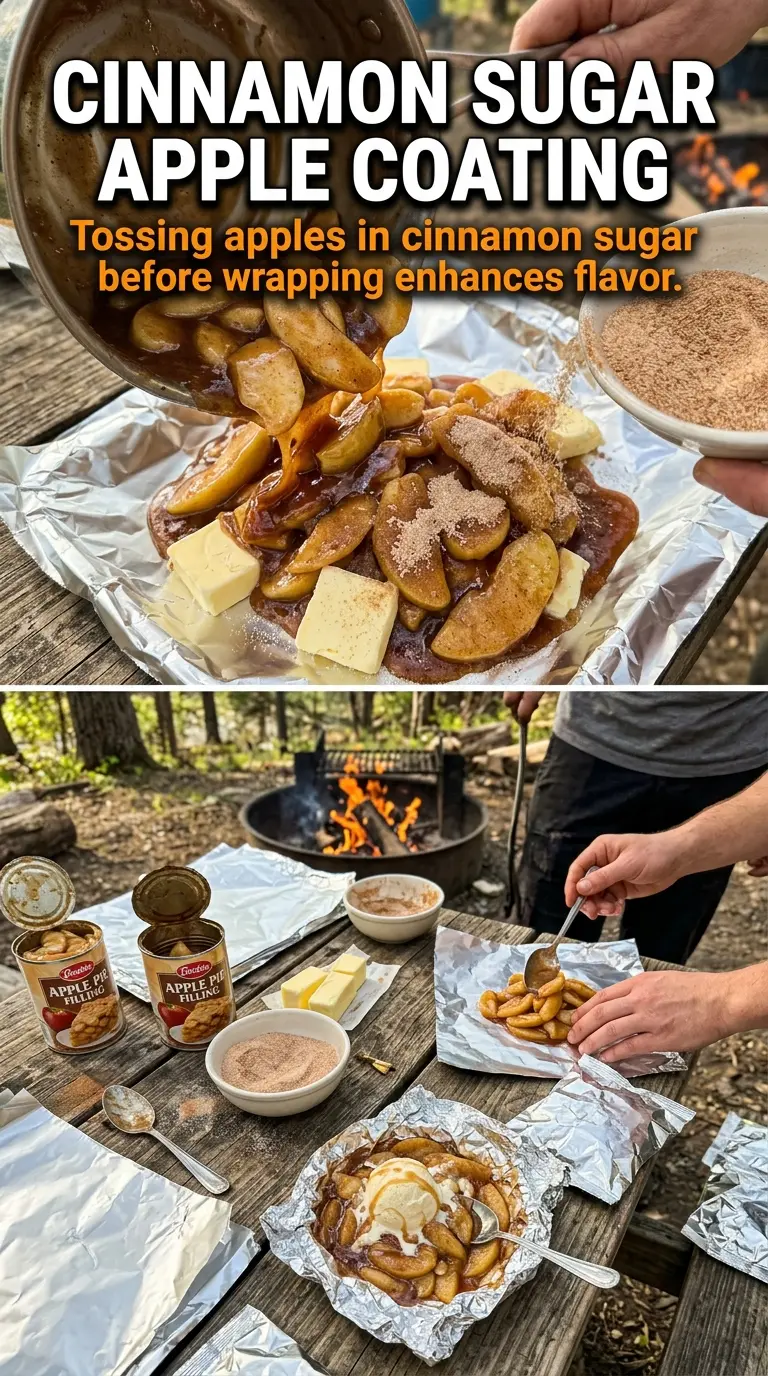
- Apples — Use a firm baking apple if you can. Granny Smith gives a sharper pie flavor, while Honeycrisp or Fuji will read sweeter and soften a little faster. If your apples are very juicy, slice them a touch thicker so they don’t disappear into sauce.
- Brown sugar — This is what turns the juices into a caramel-like syrup. Light brown sugar works fine, but dark brown sugar gives a deeper molasses note that tastes closer to classic apple pie filling.
- Cinnamon and nutmeg — Cinnamon gives the obvious pie flavor, but nutmeg is what makes it taste finished instead of flat. Freshly grated nutmeg is stronger, so use a light hand if yours is potent.
- Butter — The butter melts into the fruit and helps the sugar coat the apples instead of drying out on the foil. If you need a dairy-free version, a plant-based butter that melts well will work here.
- Graham cracker crumbs — These stand in for crust without the hassle of making dough at camp. Crumbs from a sleeve of crackers work, but if you want more texture, pulse them a little less so you get a mix of fine crumbs and small crunchy bits.
- Heavy-duty aluminum foil — This matters more than people think. Thin foil tears easily when the packet is turned or lifted, and once it leaks, the fruit steams unevenly and the sugar can burn on the grate.
Building the Packets So the Filling Steams, Not Scorches
Divide the Apples Evenly
Spread the apple slices across four sheets of foil so each packet has the same amount of filling. Uneven packets cook unevenly, and the smaller ones will go soft before the bigger ones are even close. Keep the slices in a loose mound in the center so the edges of the foil can fold up cleanly.
Season Before You Seal
Sprinkle the brown sugar, cinnamon, and nutmeg right over the apples, then dot the top with butter. The butter doesn’t need to be mixed through; it melts down through the fruit and carries the spices with it. If you pile the graham crumbs underneath the apples, they’ll get soggy first, so keep them on top where they can toast in the steam.
Fold Tight, But Leave Room for Steam
Seal the foil packets firmly by folding the edges over twice. Tight seals trap the steam that softens the apples, but the packets still need a little room so they don’t burst when the filling bubbles. If you press the foil flat against the fruit, the juices have nowhere to go and the bottom can scorch.
Cook Over Medium Heat and Listen for the Sizzle
Set the packets on a campfire grate over medium heat for 12 to 15 minutes. You’re listening for a steady sizzling sound and checking for apples that give easily when pierced through the foil with a fork. If the heat is too high, the sugar burns before the apples soften; if it’s too low, the packets just sit there and steam without developing that caramel edge.
Let Them Rest Before Opening
Give the packets about 5 minutes to cool before you open them. The steam inside is intense, and opening too soon can send hot syrup up and out. A short rest also thickens the juices a little so the filling spoons out instead of running across the plate.
How to Adapt These for a Bigger Crowd or a Different Setup
Make-Ahead Campfire Kits
You can slice the apples and mix the sugar and spices a few hours ahead, then keep everything chilled until you’re ready to assemble. Don’t fold the packets too early if you want the best texture, because the sugar will start pulling moisture from the fruit and the filling can get watery before it even hits the fire.
Dairy-Free Version
Swap the butter for a plant-based stick butter that melts cleanly. Coconut oil works in a pinch, but it adds its own flavor and doesn’t taste as close to classic apple pie.
Grill or Oven Method
If you’re not cooking over a campfire, set the packets on a grill over medium heat or bake them at 400°F until the apples are tender. The flavor changes a little without the smoke, but the texture stays the same as long as the packets are sealed well.
Storage and Reheating
- Refrigerator: Leftovers keep for up to 3 days in the fridge, though the graham cracker topping will soften.
- Freezer: These don’t freeze well once cooked because the apples turn soft and watery after thawing. If you need to prep ahead, freeze the unassembled apple mixture instead.
- Reheating: Warm the packet in a low oven or back on the grill until heated through. The common mistake is blasting it with high heat, which turns the apples mushy before the center is warm.
Answers to the Questions Worth Asking
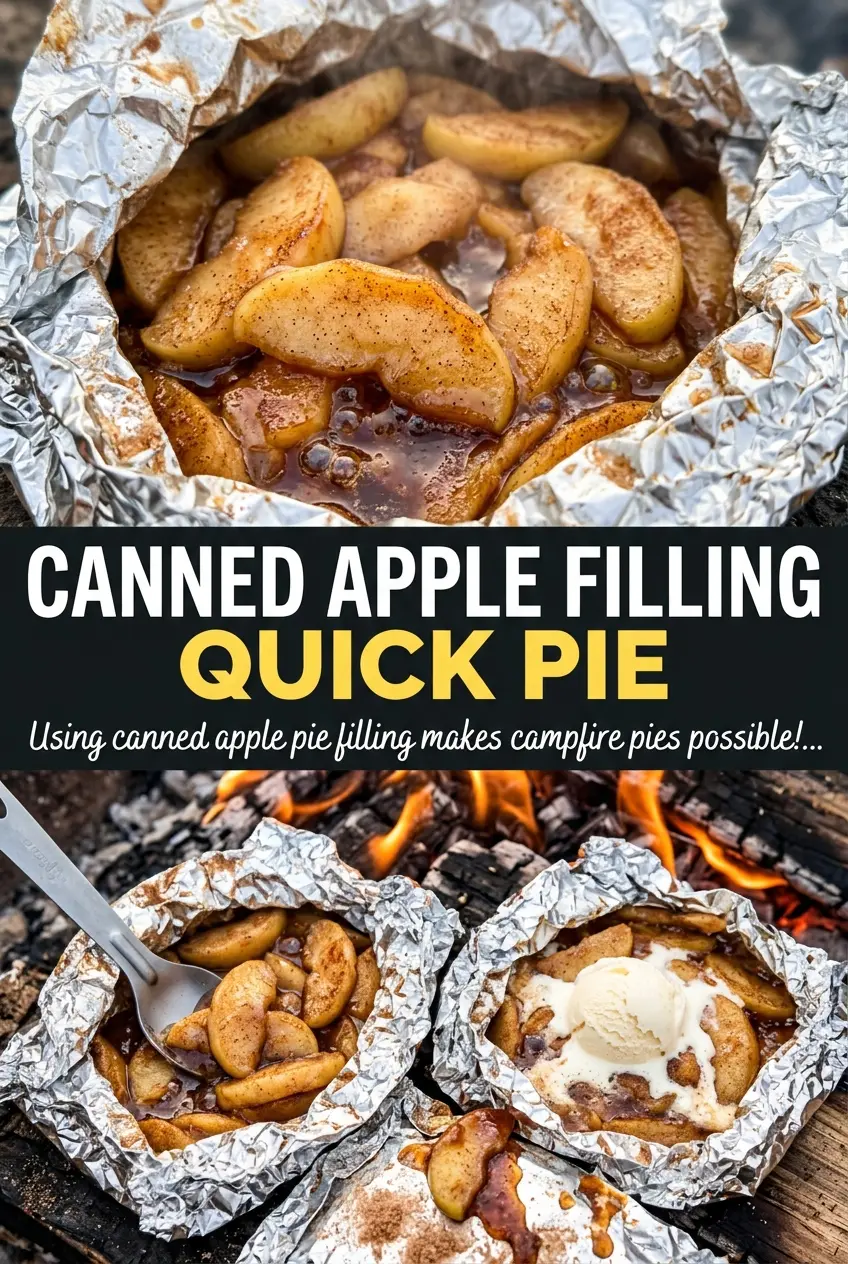
Campfire Apple Pie Packets
Ingredients
Equipment
Method
- Divide the apple slices among 4 sheets of heavy-duty aluminum foil, spreading them into an even layer in the center of each sheet. Leave space around the edges so you can seal the packets tightly.
- Sprinkle each packet with brown sugar, cinnamon, and nutmeg, then dot the apples with 1 tablespoon butter. Make sure the spices and butter are distributed so the apples caramelize evenly.
- Sprinkle graham cracker crumbs over the apples in each packet. The crumbs will bake into a pie-like crust topping as the packets cook.
- Fold the foil up and around the filling, then crimp the edges to seal completely. Press the seams firmly to prevent steam from leaking.
- Place the sealed foil packets on a campfire grate over medium heat for 12-15 minutes until the apples are tender. Look for visible steam inside the foil and softened apple slices when carefully checked.
- Let the packets cool for 5 minutes before opening. Wait time helps the filling thicken slightly and reduces burn risk from trapped steam.
- Open the foil packets carefully and serve the cinnamon apples warm with vanilla ice cream. Spoon the filling so each serving includes apples and crumb topping.