Glossy chicken teriyaki earns its place in the weeknight rotation when the glaze clings to the meat, turns sticky at the edges, and tastes like it had a lot more effort behind it than it did. The best versions hit that balance of salty, sweet, and savory without sliding into thin, watery sauce or burned sugar. This one does, and the marinade does most of the work before the chicken even touches the pan or grill.
The trick is keeping part of the marinade aside before the chicken goes in, then using that reserved portion for basting and finishing the glaze. That keeps the flavor bold without risking cross-contamination, and it also gives you a sauce that can be reduced properly instead of just warming into something limp. Brown sugar and honey give the glaze its shine, while soy sauce and mirin bring the depth that makes teriyaki taste like teriyaki instead of just sweet soy chicken.
Below, I’ll walk through the little choices that matter most: which chicken cut gives you the juiciest result, how long to marinate without making the texture mushy, and when to stop basting so the sugars don’t scorch before the chicken cooks through.
The glaze turned out shiny and sticky, and the chicken stayed juicy even after I basted it a few times. I served it over rice and the sauce was thick enough to coat everything instead of pooling at the bottom of the bowl.
Save this glossy chicken teriyaki for nights when you want a sticky soy glaze, caramelized edges, and dinner over rice without a complicated sauce.
The Marinade Split That Keeps Teriyaki Glossy Instead of Cloudy
The part that trips people up with teriyaki is using one bowl of sauce for everything and then wondering why the finished glaze tastes flat or feels risky. Once raw chicken has touched the marinade, that liquid stays in the raw-chicken zone unless you boil it hard enough to make it safe. This recipe avoids that mess by reserving a clean portion before the chicken goes in, so you get one marinade for flavor and one portion that can be reduced into a proper glaze.
That split also gives you better control over texture. A sauce that only gets warmed stays thin; a sauce that simmers for a minute or two with cornstarch turns glossy and coats the back of a spoon. If you skip the reserve-and-reduce step, you’ll still have seasoned chicken, but you won’t get the shiny finish that makes teriyaki worth making in the first place.
What the Honey, Mirin, and Soy Sauce Each Bring to the Pan
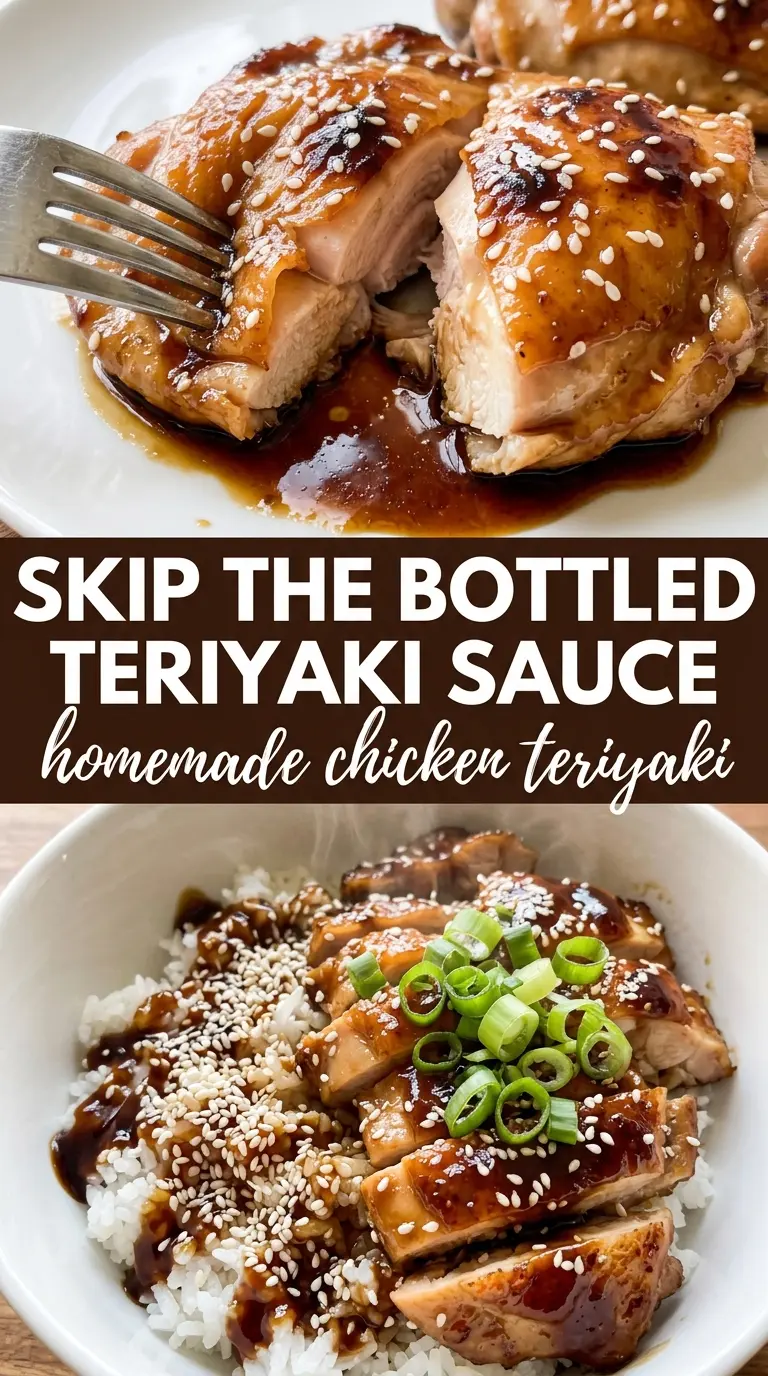
- Chicken thighs or breasts — Thighs stay juicier and are more forgiving over high heat, which is why I reach for them most often. Breasts work fine too, but they dry out faster, so pull them as soon as the center hits temperature instead of chasing extra color.
- Soy sauce — This is the backbone of the dish. Use a good all-purpose soy sauce, not something diluted or unusually sweet, because it has to carry both salt and depth. Low-sodium works if that’s what you keep on hand, but the glaze will need a little more reduction to taste full.
- Mirin or rice wine — Mirin adds that round, lightly sweet finish that makes teriyaki taste layered instead of just sugary. If you use plain rice wine, the sauce will be a touch sharper, so the honey and brown sugar matter even more.
- Brown sugar and honey — These build the gloss and the sticky edges. Brown sugar gives you molasses depth; honey helps the glaze cling. If you swap in only one sweetener, the sauce still works, but it loses some of that lacquered finish.
- Garlic and ginger — Fresh is worth it here. Garlic powder and ground ginger can fill in in a pinch, but the fresh versions bring a brighter, cleaner bite that keeps the glaze from tasting one-note.
- Cornstarch — Optional, but useful if you want the sauce to coat the chicken and rice instead of running off the plate. Mix it into the reserved marinade while it’s still cold or just warm, then simmer until it thickens; adding it to a hard boil can leave you with a lumpy glaze.
Building the Glaze and Cooking the Chicken Without Burning the Sugar
Mixing the Marinade
Stir the soy sauce, mirin, brown sugar, honey, garlic, and ginger until the sugar dissolves and the mixture looks smooth, not grainy. Reserve a quarter cup before the chicken goes in. That reserved portion is what you’ll use for basting and thickening later, and keeping it clean is what lets the final glaze taste bright instead of muddled.
Marinating for Flavor, Not for Hours on End
Coat the chicken in the remaining marinade and let it sit for 30 minutes to 2 hours. Less than 30 minutes doesn’t give the salt and sugar enough time to work into the meat; much longer than 2 hours can start to soften the surface too much, especially with thinner chicken breasts. If you’re using thighs, you’ve got a little more leeway, but the same rule still keeps the texture best.
Cooking Over Medium-High Heat
Grill or sear the chicken over medium-high heat until it releases cleanly from the surface and develops deep caramelized spots. If the heat is too low, the sauce steams instead of glazing; if it’s too high, the sugars blacken before the chicken cooks through. Baste near the end of cooking, not from the start, so the glaze has time to cling without burning.
Finishing the Reserved Sauce
Simmer the reserved marinade with cornstarch until it turns glossy and thick enough to coat a spoon. It should look shiny and slightly syrupy, not pasty. Spoon it over the cooked chicken and finish with sesame seeds and green onions while the glaze is still hot so the garnish sticks and the chicken keeps that fresh, glossy look.
Three Ways to Adjust This Teriyaki for What’s in Your Kitchen
Use chicken thighs for the most forgiving result
Thighs stay juicy even if the glaze gets a little dark at the edges, so they’re the best choice if you’re cooking over a grill or a very hot skillet. Breasts still work, but they need closer attention and a shorter cook time to keep from turning stringy.
Make it gluten-free without losing the teriyaki feel
Swap in gluten-free tamari for the soy sauce and keep the rest of the method the same. Tamari tends to taste a little rounder and less sharp than standard soy sauce, so the glaze still lands in the same salty-sweet place with no texture penalty.
Go dairy-free and keep the glaze exactly as written
This recipe is naturally dairy-free, which makes it an easy weeknight option when you’re cooking for a mixed table. The only thing to watch is the garnish and serving bowl: sesame seeds, green onions, and rice keep the dish simple and fully compliant without changing a thing.
Turn it into a thicker takeout-style sauce
Use the cornstarch option and simmer the reserved marinade until it turns noticeably thicker and glossy. That version clings harder to the chicken and rice, but it also tastes a little sweeter and denser, so it’s best when you want a heavier glaze instead of a lighter brush-on sauce.
Storage and Reheating
- Refrigerator: Store leftovers in an airtight container for up to 4 days. The glaze thickens as it chills, so the chicken may look less glossy when cold.
- Freezer: It freezes well for up to 2 months if you pack the chicken and sauce together. Thaw overnight in the refrigerator so the glaze doesn’t break when it reheats.
- Reheating: Reheat gently in a skillet over low heat with a splash of water to loosen the sauce, or microwave in short bursts. High heat can scorch the sugars and make the chicken tough before the center warms through.
Answers to the Questions Worth Asking
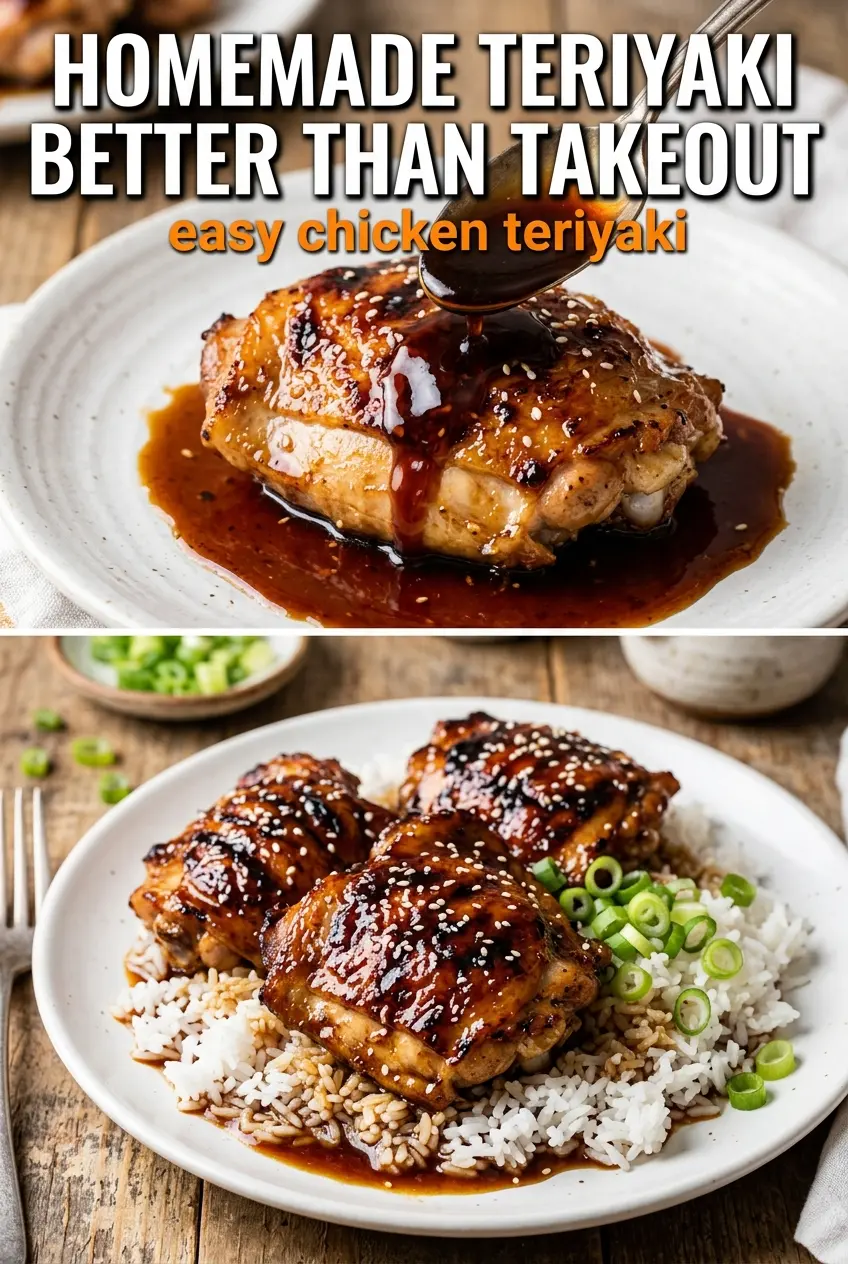
Easy Chicken Teriyaki with Marinade
Ingredients
Method
- In a bowl, combine soy sauce, mirin, brown sugar, honey, garlic, and ginger. Stir until the sugar dissolves and the mixture looks glossy.
- Reserve 1/4 cup of the marinade in a separate container. This will be used for basting and, if desired, thickening the glaze.
- Add the chicken to the remaining marinade and turn to coat. Cover and refrigerate for 30 minutes to 2 hours.
- Preheat the grill to medium-high heat. Remove chicken from marinade and grill for 6-7 minutes per side, basting frequently with the reserved marinade.
- If using cornstarch, simmer the reserved marinade in a small pan over medium heat until thickened, stirring as it turns glossy. Keep it warm for drizzling.
- Serve the grilled teriyaki chicken drizzled with glaze and garnished with sesame seeds and green onions. Let the caramelized edges set for a minute so the sauce clings.