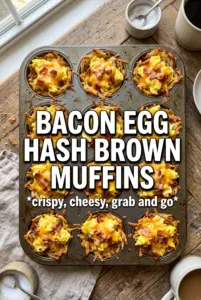
Quiche stuffed bagels hit that sweet spot between a brunch splurge and a practical weekday breakfast. The bagel edge turns crisp and toasty while the center bakes into a tender egg custard with pockets of cheddar and bacon. You get the best parts of quiche without the crust, and the bagel ring does the job of holding everything together.
The trick is in the hollowing and the fill level. If you leave too much bread in the center, the egg doesn’t have enough room to set into that little quiche-like dome. If you overfill, it spills onto the pan before the custard firms up. A quick pre-toast isn’t necessary here, but a well-greased sheet pan and a light hand with the egg mixture keep the bagels from sticking and help the edges brown instead of go soft.
Below you’ll find the small details that matter, from how much to scoop out of the center to the best way to reheat them without turning the eggs rubbery. Once you make them once, it’s easy to swap the fillings around and use whatever breakfast odds and ends are in the fridge.
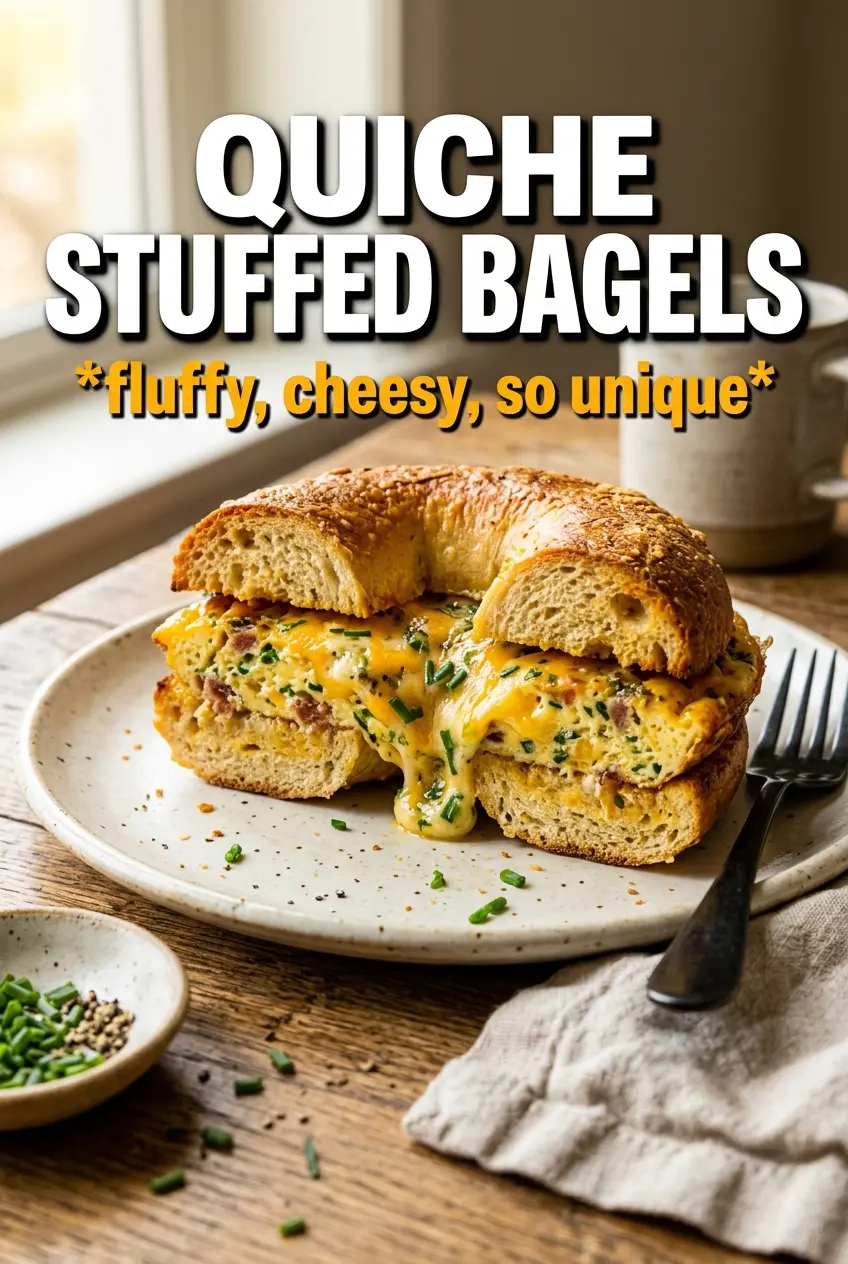
The eggs set up right in the bagel without making the bottom soggy, and the bacon-cheddar combo tasted like a little breakfast sandwich and quiche had a perfect mashup.
These quiche stuffed bagels bake up with crisp edges, a set custard, and that bacon-cheddar filling that makes breakfast feel worth sitting down for.
The Bagel Center Needs More Room Than You Think
The biggest mistake with egg stuffed bagels is treating the center like a tiny bowl that can hold a full custard. It can’t, at least not without spilling before the eggs set. Scooping out a little more bread than seems necessary gives the filling space to rise and cook through, and it keeps the finished texture closer to a real quiche instead of a bread puddle.
The other thing that matters is balance. Bagels are sturdy, but they still need a little help if you want the bottoms to stay crisp. A foil-lined, well-sprayed sheet pan keeps the cheese from welding itself to the pan, and baking at a steady 375°F gives the egg enough time to set before the tops overbrown.
What Each Ingredient Is Actually Doing in This Dish
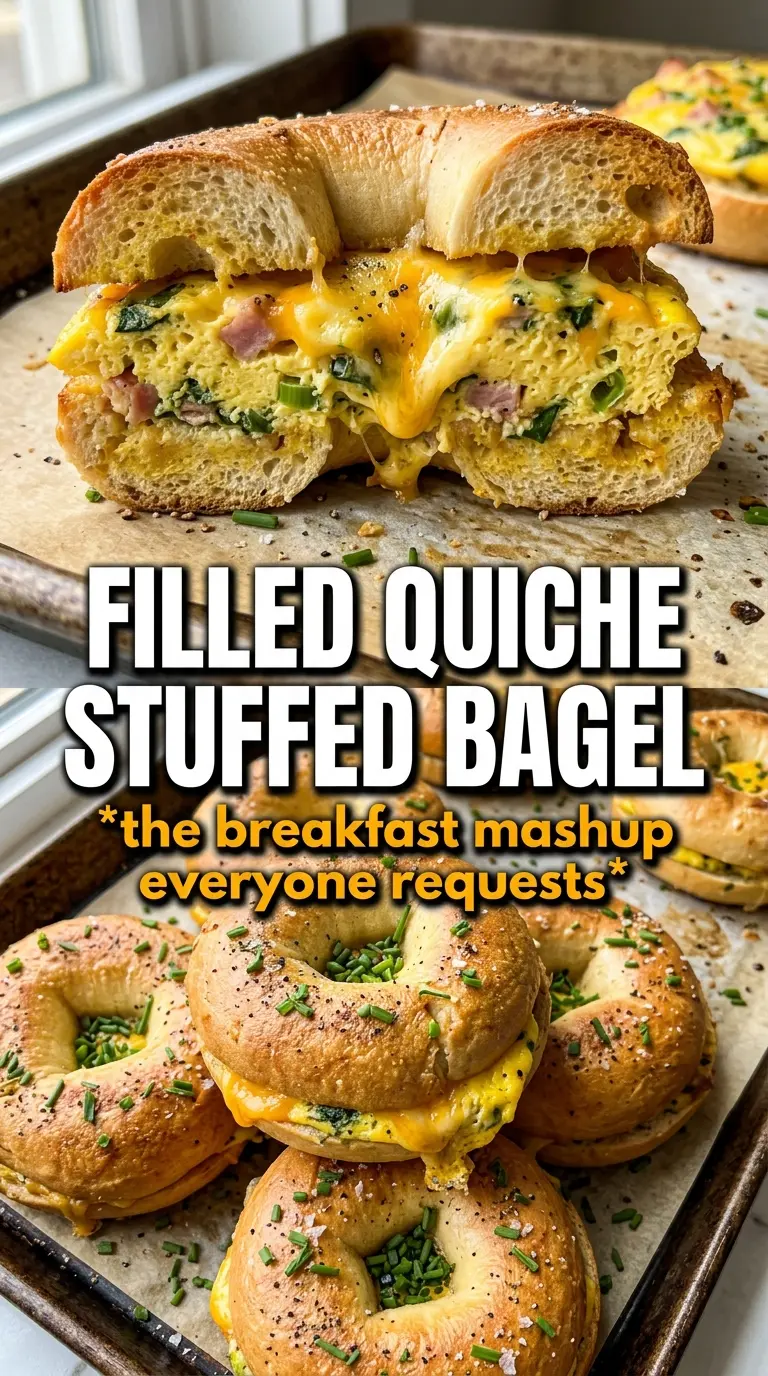
- Bagels — Plain bagels give you the cleanest base, while everything bagels add extra seasoning and a little more crunch on top. Fresh bagels work fine, but day-old ones hold their shape even better when you hollow them out.
- Eggs — These are the custard, so freshness matters more than brand. Whisk them until the whites and yolks are fully blended; streaks of white bake unevenly and make the filling look patchy.
- Whole milk or cream — A small amount softens the eggs and keeps the center tender instead of bouncy. Milk works, cream gives a richer set, and either one does the job as long as you don’t drown the mixture.
- Sharp cheddar — Sharp cheddar gives the filling real punch, not just melt. Pre-shredded works in a pinch, but freshly shredded melts smoother and doesn’t bring the anti-caking coating that can dull the finish.
- Bacon and green onions — Bacon gives salt and crunch, and green onions cut through the richness with a fresh bite. Cook the bacon fully before it goes in; undercooked bacon won’t crisp in time inside the egg filling.
Building the Filling So the Bagels Stay Crisp
Hollowing the Centers
Use your fingers or a spoon to press out a shallow well in each bagel half, leaving enough bread around the edge to keep the structure intact. The goal is depth, not a hole straight through to the pan. If you tear through the bottom, the egg leaks out and bakes onto the foil before the center can set.
Mixing the Custard
Whisk the eggs with the milk, salt, and pepper until the mixture looks uniform and a little foamy. That extra air helps the filling puff slightly in the oven. Add the cheese and bacon in stages so the bottom of the bagel gets a little layer of filling before the egg goes in.
Baking Until Just Set
Fill each bagel carefully, stopping just below the rim so the custard has room to rise. Bake until the tops are puffed, the cheese is melted, and the center no longer sloshes when you nudge the pan. If the tops brown before the eggs are set, tent loosely with foil for the last few minutes.
How to Change These Up Without Losing the Texture
Dairy-Free Version
Use an unsweetened plant milk that isn’t watery, like oat or soy, and keep the amount the same. The filling will set a little less rich, but it still bakes into a tender custard if you don’t overload it with extra cheese substitutes that release moisture.
Vegetarian Bagel Quiche Cups
Swap the bacon for sautéed mushrooms, spinach that’s been squeezed dry, or diced bell pepper. The key is removing extra moisture first, or the filling turns wet and the bagel bottoms soften before the eggs finish setting.
Gluten-Free Option
Use sturdy gluten-free bagels with a dense crumb, not soft sandwich-style ones. They need the structure to hold the custard, and a quick extra minute or two in the oven can help them firm up without drying out the eggs.
Make-Ahead Breakfast for a Crowd
You can hollow the bagels, cook the bacon, and shred the cheese the night before. Assemble right before baking so the bread doesn’t absorb moisture from the custard and go heavy.
Storage and Reheating
- Refrigerator: Store leftovers in an airtight container for up to 3 days. The bagel will soften a little, but the filling stays good.
- Freezer: Freeze only if you need to; the egg texture changes a bit after thawing. Wrap each one tightly, then thaw in the fridge before reheating.
- Reheating: Warm in a 325°F oven or air fryer until the center is hot and the bagel edge crisps back up. The common mistake is microwaving too long, which turns the eggs rubbery and the bagel chewy.
Answers to the Questions Worth Asking
Quiche Stuffed Bagels
Ingredients
Equipment
Method
- Preheat oven to 375°F and line a sheet pan with foil, then spray with cooking spray.
- Hollow out the center of each bagel half slightly to create a deeper well.
- Place bagels cut-side up on the sheet pan.
- Whisk eggs, milk, salt, and pepper together until smooth.
- Add a pinch of cheddar and bacon crumbles to each bagel well, then carefully pour egg mixture into each well to fill.
- Top with remaining cheddar, green onions, and a few more bacon crumbles.
- Bake for 18–20 minutes at 375°F until egg is fully set and cheese is golden, puffed, and lightly browned.