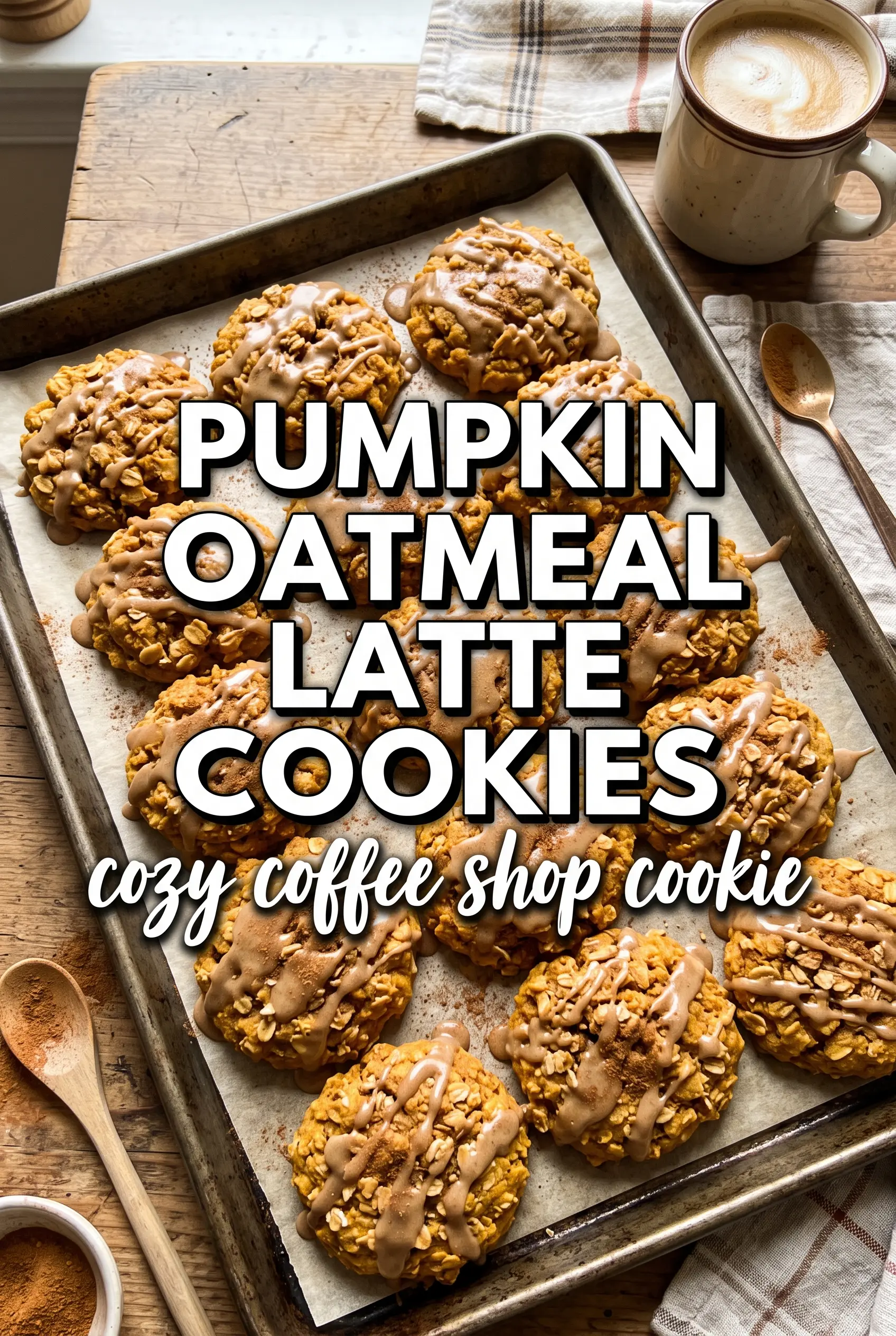
Brown butter, pumpkin, oats, and espresso land together in a cookie that tastes deeper than the ingredient list suggests. The edges bake up crisp and caramelized, the centers stay soft and chewy, and the toffee bits melt into little pockets of butterscotch sweetness. That final pinch of flaky salt keeps the whole cookie from reading flat or overly sweet.
The brown butter is the piece that gives these cookies their backbone. Once it cools back down and firms up, it brings a nutty, almost toasty note that plain softened butter can’t match. The pumpkin adds flavor, but it also adds moisture, which is why blotting it dry matters. Skip that, and the dough can spread too much and lose the chewy middle that makes these worth baking.
Below, I’m breaking down the one step that changes the texture the most, plus the ingredient swaps that still keep the cookies balanced. If you’ve ever had pumpkin cookies turn cakey, this version solves that problem without making the dough fussy.
The browned butter gave these such a deep, nutty flavor, and the cookies stayed chewy for days instead of turning cakey. My husband kept sneaking them from the container because the espresso and pumpkin worked so well together.
Brown butter pumpkin oatmeal latte cookies with chewy centers, toffee bits, and a little espresso kick
The Reason Pumpkin Cookies Turn Cakey, and How These Stay Chewy
Pumpkin cookies go wrong for one main reason: too much moisture. Pumpkin puree looks harmless in the bowl, but even a few extra wet spoonfuls can push the dough toward puffed, cakey cookies instead of dense, chewy ones. That’s why the puree gets blotted dry first, and why the butter is browned and then solidified again before mixing. You get the flavor of brown butter without adding extra liquid to the dough.
The oats help in a second, quieter way. They absorb just enough moisture to keep the centers tender without making the cookies heavy, and they give the dough enough structure to hold the toffee bits in place. If your cookies spread too much, it usually means the pumpkin was too wet or the brown butter was still soft when it went into the mixer.
- Unsalted butter — Browning it changes the whole cookie. Salted butter can work in a pinch, but unsalted gives you control, and the 1 hour chill back to solid matters because soft brown butter behaves like melted butter in the oven.
- Pumpkin puree — Use plain pumpkin puree, not pumpkin pie filling. Blot it between paper towels until it feels thick and paste-like; that step keeps the cookies chewy instead of spongey.
- Espresso powder — This doesn’t make the cookies taste like coffee. It deepens the pumpkin spice and brown sugar notes. Instant espresso powder is the best choice; regular brewed coffee won’t give the same punch without changing the dough texture.
- Old-fashioned rolled oats — Quick oats will soften more and give a tighter crumb, while rolled oats keep the cookies hearty and open-textured. I wouldn’t swap them if you want the best chew.
- Toffee bits — These add little caramelized pockets that work with the brown butter. Chopped soft toffee can clump and melt more unevenly, so the packaged bits are the easiest way to keep the texture consistent.
What Each Ingredient Is Actually Doing in This Recipe
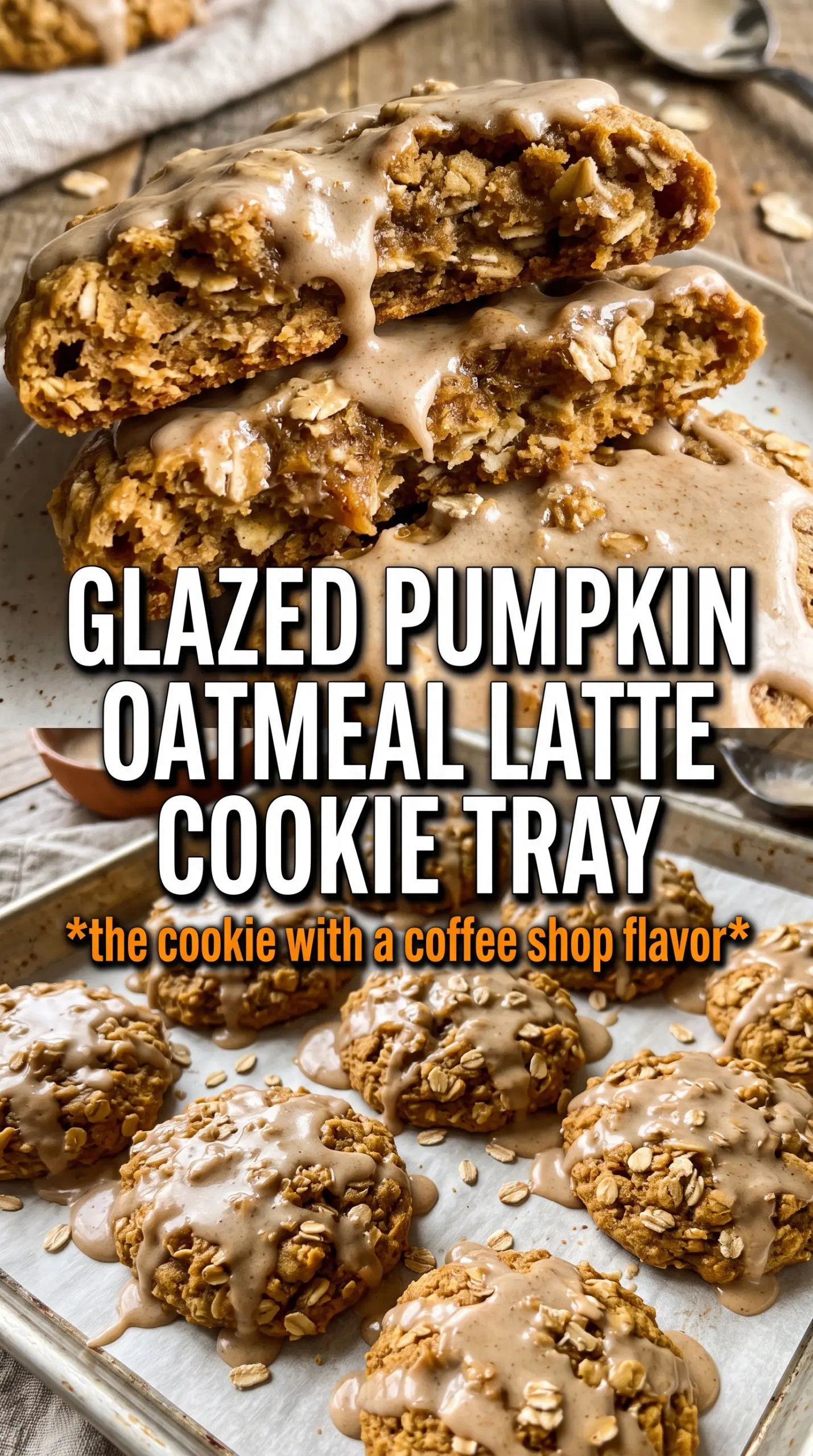
- Primary ingredient (the star) — Quality matters most. Choose the best you can find.
- Cooking medium (oil, butter, or broth) — This carries flavors and prevents dryness.
- Seasonings (salt, pepper, spices, herbs) — Layer flavors so nothing overpowers. Build depth gradually.
- Aromatics (garlic, onion, herbs) — Cook with fat to bloom flavors. Become the foundation.
- Supporting ingredients — Complement the main ingredient without overpowering it.
- Sauce or liquid (if applicable) — Brings flavors together. Balance richness with acid.
- Acid (lemon, vinegar, wine, or other) — Brightens and prevents flat-tasting results.
- Final finish (garnish, glaze, or sauce) — Prevents one-dimensional taste and adds visual appeal.
Building the Dough Without Losing the Brown Butter Edge
Brown the butter all the way, then cool it back down
Cook the butter until the milk solids turn deep golden and smell nutty, not just pale beige. That’s where the flavor lives. Pull it off the heat before it turns dark brown, because it can go from nutty to bitter in a few seconds. Refrigerate it until it firms up again; if it’s still loose, the dough will be greasy and the cookies will spread too much.
Beat the butter and sugars until creamy, not fluffy
Once the brown butter is solid, beat it with the brown sugar and granulated sugar until the mixture looks smooth and a little lighter in color. You’re not trying to whip in a lot of air. Too much aeration here can make the cookies puff and then collapse, which is how you end up with uneven centers.
Fold in the oats at the very end
After the flour mixture goes in, stop mixing as soon as the dry streaks disappear, then fold in the oats and toffee bits. Overmixing at this point tightens the dough and makes the cookies tough. The finished dough should look thick and scoopable, with oats distributed throughout and no wet shine from the pumpkin.
Bake until the edges set and the middles still look soft
These cookies finish on the pan, so pull them when the edges are golden and the centers still look a little underdone. If you wait for the tops to look fully set in the oven, they’ll bake up dry. A 5-minute rest on the baking sheet lets them firm up without losing that chewy middle.
Three Ways to Adjust These Cookies Without Losing the Balance
Gluten-Free Version
Use a 1:1 gluten-free flour blend that includes xanthan gum, then keep the oats the same. The cookies will still be chewy, but they may need the full 12 minutes to set because gluten-free dough often bakes a little softer in the center.
Dairy-Free Version
Swap in a plant-based butter that browns well, or use a solid vegan butter alternative if browning isn’t possible. The flavor will be a little less nutty, but the texture still works as long as the substitute is firm and not whipped-style from a tub.
No-Toffee Version
Leave out the toffee bits and replace them with chopped pecans or walnuts for a more toasty, less candy-like cookie. You’ll lose some caramel sweetness, but the brown butter and espresso still give the dough plenty of depth.
Storage and Reheating
- Refrigerator: Store in an airtight container for up to 5 days. The oats keep the texture soft, but the edges will lose a little of their crispness after day one.
- Freezer: Freeze baked cookies for up to 2 months, or freeze portioned dough balls and bake from frozen. Dough balls bake up best when you add 1 to 2 extra minutes and leave space on the pan because they spread a touch more from frozen.
- Reheating: Warm cookies for 8 to 10 seconds in the microwave or a few minutes in a low oven. Long reheating dries out the oats and makes the centers chalky, so stop as soon as the cookie smells warm again.