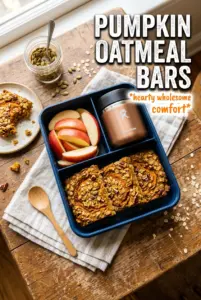
Buttery shortbread, a silky pumpkin-caramel layer, and a crackle of flaky sea salt make these bars the kind of dessert people hover over at the counter before they’ve even cooled. The base bakes up tender but sturdy, so it holds the filling without going soggy, and the topping turns into golden crumbs that give every bite a little texture. The caramel reads rich instead of sticky-sweet because it’s balanced with pumpkin puree, warm spice, and just enough cream to keep the filling soft.
The trick is baking the crust before the filling goes in. That first bake sets the shortbread so the bottom stays crisp under the custard-like layer, and it gives the bars clean edges when you cut them. Cold butter matters here too. It creates that sandy, melt-in-your-mouth crumb on top instead of a dense doughy lid.
Below, I’ve called out the step that keeps the filling from overbaking and the ingredient swap that matters most if you’re using homemade caramel. These bars are straightforward, but a few small choices make the difference between a neat slice and a messy pan.
The pumpkin-caramel filling set up beautifully and the shortbread stayed crisp even the next day. I loved the flaky salt on top — it kept the bars from tasting too sweet and my family asked for a second pan.
Love the crisp shortbread and salted caramel pumpkin layers? Save these bars to Pinterest for the dessert table, bake sale, or the next time you want a clean slice with a rich, buttery finish.
The Shortbread Layer Needs to Be Baked First, Not Just Pressed In
If the crust goes in raw, the pumpkin-caramel filling sinks into it and the bottom turns heavy instead of tender. That first bake does two jobs at once: it sets the base and dries out the surface just enough that the filling sits on top instead of soaking through. You want the crust pale gold, not deeply browned, because it keeps baking after the filling goes in.
- Cornstarch — This is what gives the shortbread that fine, sandy texture. It lightens the flour so the base stays delicate instead of bready. If you don’t have it, arrowroot works in the same amount, but the texture won’t be quite as crisp.
- Cold butter — Keep it cold and cut into cubes so it stays in little pockets while you work. Those pockets melt in the oven and create the crumbly texture on top. Soft butter blends too smoothly and the bars lose that shortbread bite.
- Caramel sauce — A thick sauce matters here. Thin ice-cream topping turns runny and can leave the filling loose. If your homemade caramel is on the thin side, simmer it a minute or two longer before whisking it in.
- Pumpkin puree — Use plain pumpkin puree, not pumpkin pie filling. The pie filling already has sugar and spices mixed in, which throws off the balance and can make the bars taste muddy.
What Each Ingredient Is Actually Doing in This Recipe
- Primary ingredient (the star) — Quality matters most. Choose the best you can find.
- Cooking medium (oil, butter, or broth) — This carries flavors and prevents dryness.
- Seasonings (salt, pepper, spices, herbs) — Layer flavors so nothing overpowers. Build depth gradually.
- Aromatics (garlic, onion, herbs) — Cook with fat to bloom flavors. Become the foundation.
- Supporting ingredients — Complement the main ingredient without overpowering it.
- Sauce or liquid (if applicable) — Brings flavors together. Balance richness with acid.
- Acid (lemon, vinegar, wine, or other) — Brightens and prevents flat-tasting results.
- Final finish (garnish, glaze, or sauce) — Prevents one-dimensional taste and adds visual appeal.
The 20 Minutes That Turn the Filling From Loose to Sliceable
Building the Crust
Work the flour, powdered sugar, cornstarch, cinnamon, salt, and cold butter together until the mixture looks like damp crumbs and starts to hold when you squeeze it. Press most of it into the pan firmly and evenly, because a loose press gives you a crumbly bottom that falls apart when sliced. Save the last cup for the topping and keep it in rough clumps; those irregular pieces brown better than a smooth layer.
Whisking the Pumpkin Caramel Layer
Combine the pumpkin puree, caramel, cream, brown sugar, pumpkin pie spice, vanilla, and eggs until smooth and glossy. Stop as soon as the eggs are blended in. Overmixing adds too much air, and that can make the center puff and crack instead of setting evenly.
Watching for the Set
Pour the filling over the hot crust, scatter the reserved crumble over the top, and bake until the edges look set and the center still has the faintest wobble. If the middle looks completely firm in the oven, it’s already gone too far and will bake up dry. The bars finish setting as they cool, so patience matters here more than another five minutes in the oven.
Finishing and Cutting Cleanly
Let the pan cool all the way before cutting, then chill it if you want extra-neat squares. That cooling time lets the caramel layer firm up enough to hold its shape. Sprinkle the flaky sea salt after baking so it stays sharp and crystalline instead of melting into the top.
How to Adapt These Bars for Different Crowds and Pantry Situations
Dairy-Free Version
Swap the butter for a solid plant-based butter block and use full-fat coconut cream in place of the heavy cream. The bars will still set, but the filling will taste a little less rich and a touch more coconut-forward if your caramel is mild. Use a dairy-free caramel sauce that’s thick enough to hold its shape.
Gluten-Free Shortbread Swap
Replace the flour with a good 1:1 gluten-free baking blend that already includes xanthan gum. The bars will still slice well, though the crust will be a little more sandy and less layered than the original. Press the base firmly so it doesn’t crumble when cut.
Using Homemade Caramel
Homemade caramel works well as long as it’s thick enough to coat a spoon. If it’s warm and loose when you mix it into the filling, the bars can bake up soft in the center. Let it cool slightly before whisking it with the pumpkin so the eggs don’t start to cook on contact.
Storage and Reheating
- Refrigerator: Store covered for up to 5 days. The shortbread stays pleasantly firm, and the filling gets a little denser after chilling.
- Freezer: These freeze well. Wrap individual bars tightly and freeze for up to 2 months, then thaw in the refrigerator so the filling doesn’t sweat.
- Reheating: You don’t need to reheat them, but if you want a softer bite, let a bar sit at room temperature for 20 to 30 minutes. Microwaving turns the topping soft and can make the caramel layer weep.
Answers to the Questions Worth Asking
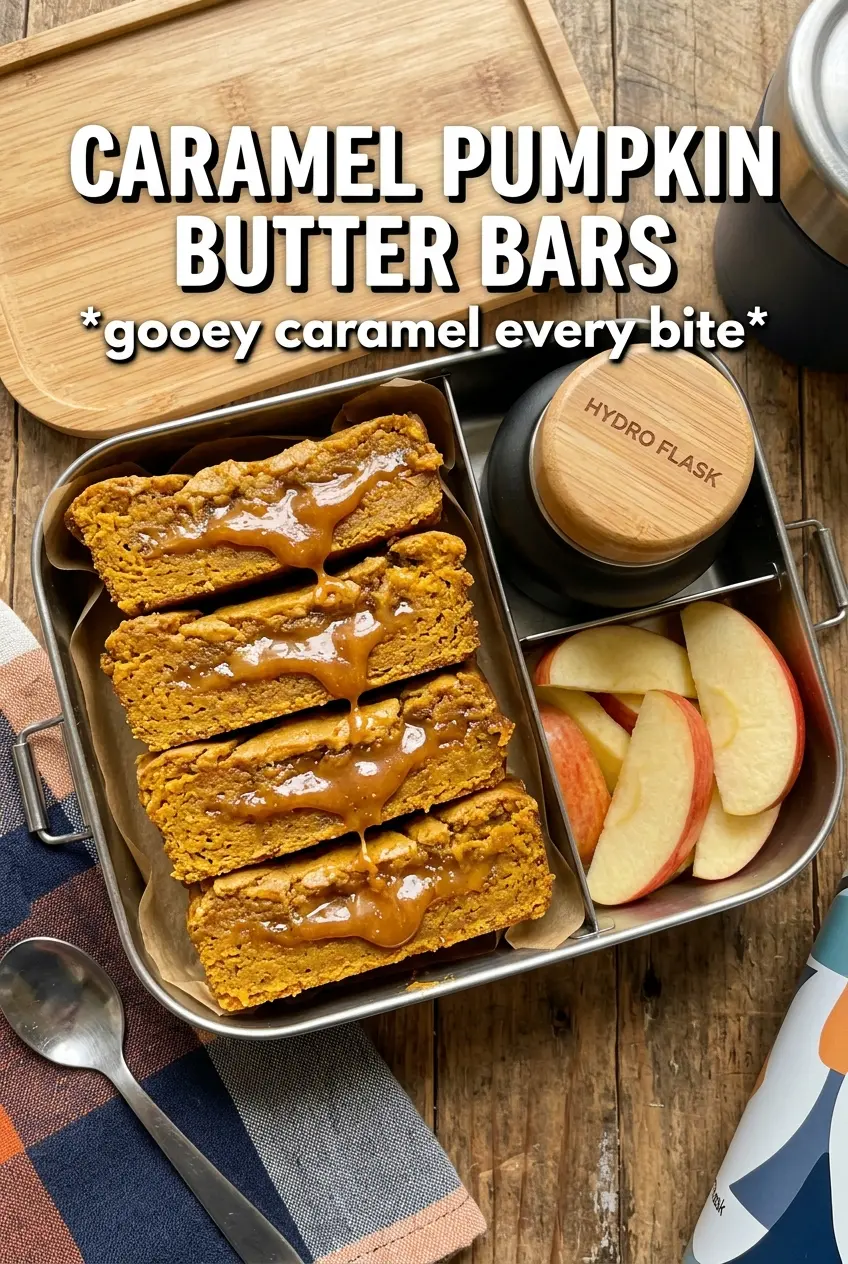
Caramel Pumpkin Butter Bars
Ingredients
Equipment
Method
- Preheat oven to 350F and line a 9x13 pan with parchment for easy lifting.
- In a bowl, combine all-purpose flour, powdered sugar, cornstarch, cinnamon, and salt, then cut in cold unsalted butter until the dough comes together.
- Reserve 1 cup of the dough for crumble topping and press the remaining dough firmly into the pan.
- Bake for 15 minutes until the crust is pale golden.
- Whisk pumpkin puree, caramel sauce, heavy cream, brown sugar, pumpkin pie spice, vanilla, and eggs until smooth and combined.
- Pour the filling over the hot crust.
- Crumble the reserved dough evenly over the top.
- Bake 22-25 more minutes until the filling is set, then sprinkle with flaky sea salt.
- Cool completely before cutting into 16 bars so the filling slices cleanly.