Grilled vegetable kabobs with zucchini turn out best when the vegetables keep a little structure and pick up those dark grill marks without collapsing into soft, uneven pieces. The zucchini gets tender at the edges, the peppers stay sweet, the onions mellow, and the mushrooms soak up the marinade in a way that makes every bite taste seasoned all the way through. When the skewers are balanced right, this is the kind of side dish that disappears before the main course does.
The trick is giving the vegetables a short marinating window and cutting everything to a size that finishes at roughly the same pace. Zucchini needs a thicker cut so it doesn’t slump over the flame, while mushrooms and tomatoes need just enough time to pick up flavor without getting watery. A medium-high grill and a little oil on the grates keep the vegetables from tearing when you turn them.
Below, I’ll walk through the few details that matter most: how to keep the vegetables from steaming on the skewer, how to build color without drying out the zucchini, and what swaps still give you a good result if your fridge looks a little different.
The zucchini stayed firm instead of going mushy, and the peppers picked up such good char on the grill. I made these for burgers and everyone kept grabbing the mushroom ones first.
Save these grilled vegetable kabobs with zucchini for the nights when you want a colorful BBQ side with real char and almost no cleanup.
The Reason Zucchini Kabobs Go Soft Before They Get Good Color
Most vegetable kabobs fail for one of two reasons: the pieces are cut too small, or the grill never gets hot enough to dry the surface before the vegetables start to soften. Zucchini is the biggest offender. Cut it too thin and it shrinks, slips on the skewer, and turns floppy before the edges have a chance to brown. Keeping the rounds thick gives you more time over the heat, which is what creates those browned edges and that tender-but-not-mushy bite.
The second thing that matters is spacing on the skewer. Pack the vegetables too tightly and they steam against each other. Leave a little room between pieces and the hot air can move around them, which helps the peppers blister and the mushrooms actually roast instead of just turning damp. A quick turn every few minutes keeps the char even without drying out the outside.
What Each Ingredient Is Actually Doing in These Kabobs
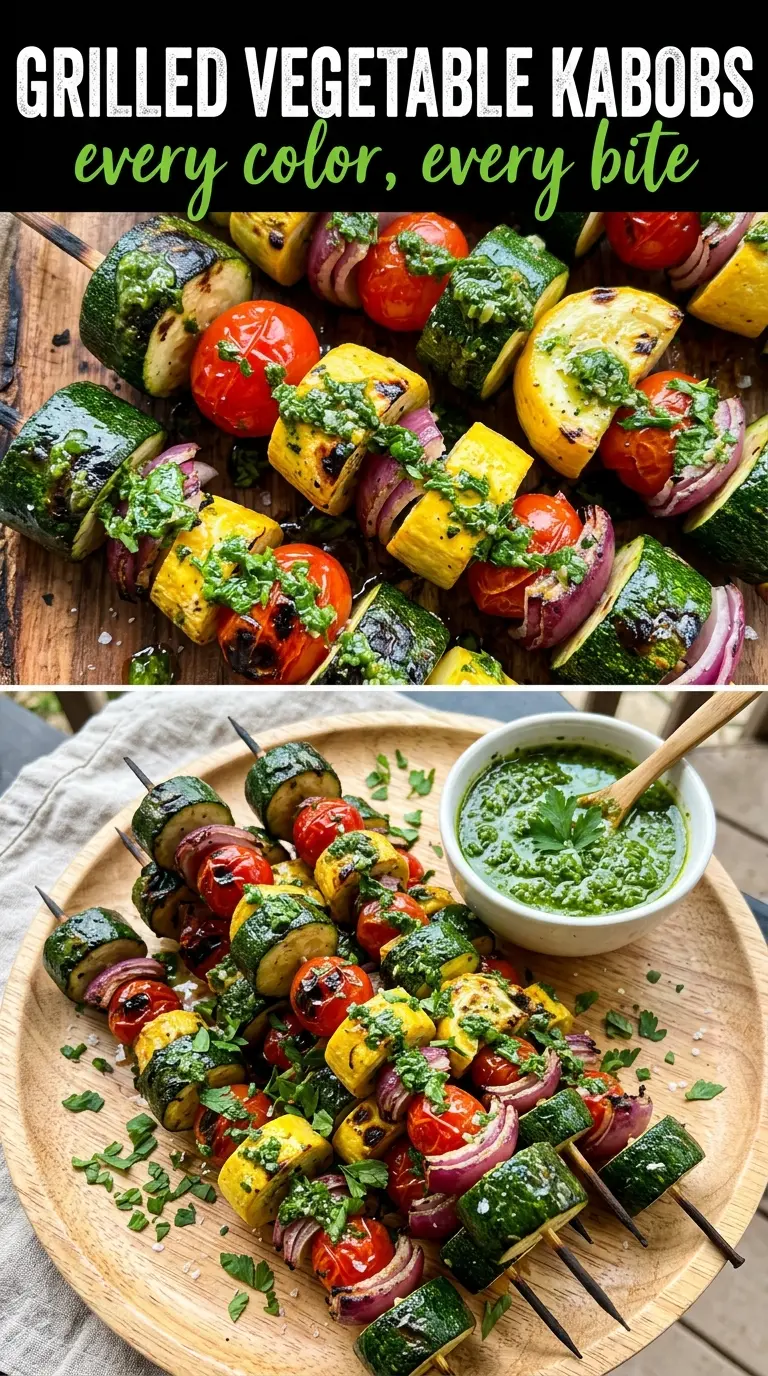
The zucchini is the anchor here. It needs to be cut into thick 1-inch rounds so it holds together on the skewer and stays pleasantly firm after grilling. Bell peppers bring sweetness and enough structure to stand up to direct heat, while red onion softens and turns almost jammy at the edges.
Cremini mushrooms are worth using if you can find them because they hold onto the marinade and develop a meaty, grilled bite. Cherry tomatoes are the one ingredient that changes the texture of the whole skewer; they burst fast, so they work best tucked between sturdier vegetables rather than packed together. The balsamic vinegar adds a little tang and helps the vegetables brown, but the olive oil is what keeps the marinade from disappearing before it hits the grill.
- Olive oil — This coats the vegetables so the seasoning sticks and the grill marks develop instead of the surface drying out. Use a decent extra-virgin oil, but it doesn’t need to be the most expensive bottle in your pantry.
- Balsamic vinegar — It adds acidity and a little sweetness, which helps the vegetables taste more layered after grilling. Red wine vinegar can work in a pinch, but it won’t give the same roundness.
- Italian seasoning and smoked paprika — These do the heavy lifting in the marinade. The Italian seasoning brings herbiness, and the smoked paprika adds the grill-friendly depth that makes the kabobs taste like more than just plain vegetables.
- Skewers — Metal skewers are easiest because they don’t need soaking and they conduct heat, which helps the vegetables cook a bit more evenly from the inside. If you use wooden skewers, soak them long enough that the exposed ends don’t scorch the second they hit the grill.
Building the Kabobs So the Grill Can Do Its Job
Mix the Marinade First
Whisk the olive oil, garlic, balsamic vinegar, Italian seasoning, smoked paprika, salt, and pepper until the mixture looks glossy and unified. If the oil and vinegar separate a little, that’s fine; once the vegetables go in, they’ll pick up the seasoning anyway. The garlic should be minced fine enough that it clings to the vegetables instead of falling straight into the bowl and burning on the grill.
Let the Vegetables Take On the Seasoning
Toss the vegetables in the marinade and let them sit for 20 minutes. That short rest is long enough for the mushrooms and zucchini to absorb flavor without turning soggy. If they sit much longer, especially after being cut, the tomatoes can weep and the zucchini can start to soften before it ever reaches the heat.
Thread for Even Cooking
Alternate colors and textures on each skewer so one vegetable doesn’t dominate the whole bite. Keep the zucchini rounds and onion chunks similar in thickness, and place the mushrooms and tomatoes where they won’t get crushed. If the skewer feels crowded, it is crowded; leave a little breathing room so the heat can circulate and the vegetables can char instead of steaming.
Grill Until the Edges Brown
Preheat the grill to medium-high and oil the grates before the kabobs go on. Grill for 12 to 15 minutes, turning every 3 to 4 minutes, until the zucchini is tender at the center and the peppers have visible blistered spots. If the vegetables stick when you try to turn them, give them another minute; they usually release once the sear sets.
Three Ways to Change These Kabobs Without Losing the Point
Make Them Dairy-Free and Gluten-Free Without Adjusting the Method
This recipe already lands naturally in both camps as written, which is one reason it works so well for a crowd. Just keep an eye on bottled seasonings if you’re using a substitute brand, since some blends sneak in additives that don’t match the rest of the marinade. The grilling method stays exactly the same.
Swap in What’s in the Crisper Drawer
Yellow squash can stand in for some or all of the zucchini, and red onion can be swapped with sweet onion if that’s what you have. The one thing that matters is keeping the pieces substantial enough to stay on the skewer and finish at the same pace. Thin vegetables cook faster and can go soft before the rest of the skewer is ready.
Add a Little More Smoke
If you want a deeper grilled flavor, add a pinch more smoked paprika or finish the kabobs with a tiny drizzle of balsamic glaze after grilling. That gives the vegetables a darker, sweeter edge without changing the structure of the recipe. It’s a better move than over-marinating, which just softens the vegetables.
Storage and Reheating
- Refrigerator: Store leftovers in an airtight container for up to 3 days. The vegetables will soften a bit, especially the tomatoes.
- Freezer: I don’t recommend freezing these; the zucchini, peppers, and tomatoes lose their texture and turn watery after thawing.
- Reheating: Warm them in a skillet over medium heat or on a sheet pan in a 375°F oven until heated through. The biggest mistake is microwaving them too long, which turns the zucchini limp and the mushrooms rubbery.
Answers to the Questions Worth Asking
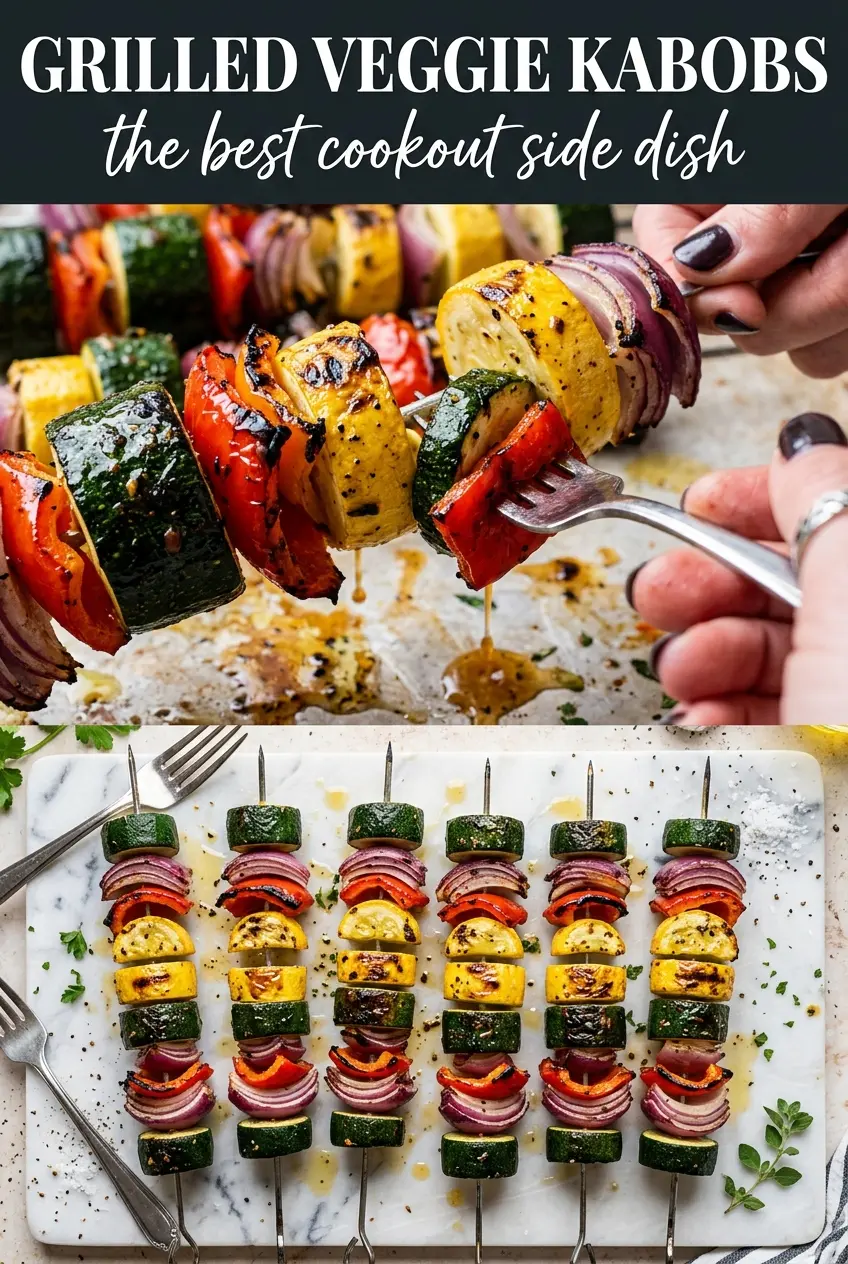
Grilled Vegetable Kabobs with Zucchini
Ingredients
Equipment
Method
- Whisk the olive oil, garlic, balsamic vinegar, Italian seasoning, smoked paprika, salt, and black pepper together until well combined. The marinade should look evenly streaked with spices.
- Toss the zucchini, red bell peppers, yellow bell peppers, red onion, cremini mushrooms, and cherry tomatoes in the marinade, then let them sit for 20 minutes. Visual cue: vegetables begin to look glossy and lightly tinted from the balsamic and paprika.
- Thread the vegetables onto skewers, alternating colors and types as you build the kabobs. Aim for tight but not crushed spacing so everything chars at the same pace.
- Preheat the grill to medium-high and oil the grates. Visual cue: you should see light shimmer when oil hits the hot surface.
- Grill the kabobs for 12–15 minutes, turning every 3–4 minutes, until vegetables are charred and tender. Visual cue: char marks form on edges while zucchini and peppers soften without collapsing.
- Serve immediately with any remaining marinade drizzled over the kabobs. Visual cue: the surface looks fresh and glossy right off the grill.