Citrus-marinated chicken with a little char on the edges and a bright Key lime finish is the kind of dinner that disappears fast once it hits the table. The marinade gives the meat a clean, tropical tang, but it’s the honey and cumin that keep it from tasting thin or one-note. You get smoky grill flavor, juicy chicken, and a glaze-like sheen from the citrus that clings to every bite.
What makes this version work is balance. Key lime juice brings a sharper, more floral acidity than standard lime, while orange juice softens the edges and helps the chicken brown instead of drying out. A short marinade won’t do much here; give it time so the acid can season the meat all the way through without making the surface mushy. The chicken cooks quickly, but the real payoff comes from letting the grill do its job and resisting the urge to move it around too much.
Below, I’m walking through the details that matter: how long to marinate, how to keep the citrus from overpowering the chicken, and what to do if you want the same Key West flavor with what’s already in your kitchen.
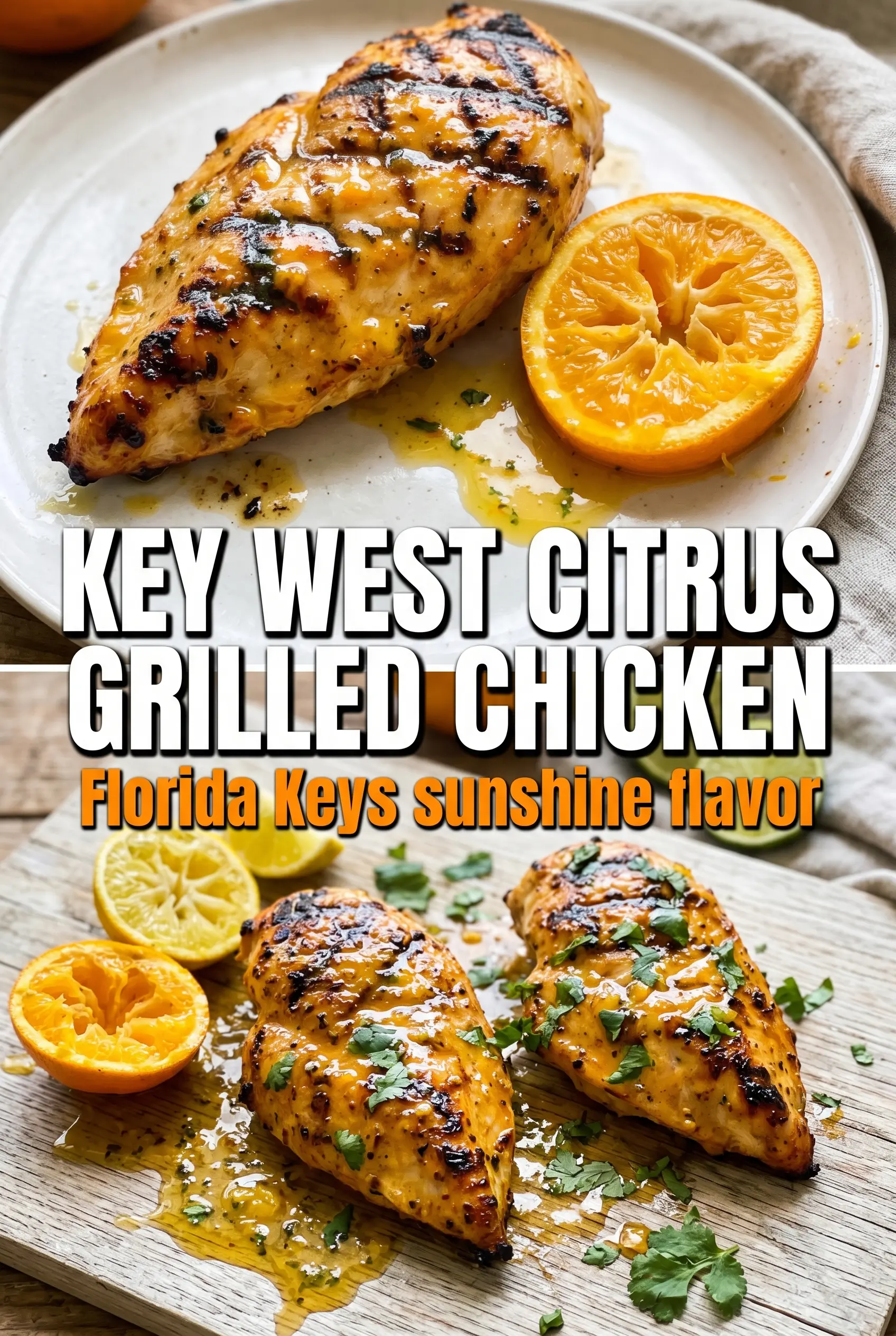
The chicken came off the grill juicy with those perfect char marks, and the orange-lime marinade kept it bright instead of heavy. I let it sit for about 4 hours and the flavor went all the way through.
Save this Key West Grilled Chicken for the nights when you want bright citrus, smoky grill marks, and a fast tropical-style dinner.
The Marinade Timing That Keeps Citrus Chicken Juicy Instead of Mushy
Citrus marinades can go wrong when they sit too long. The acid in lime juice starts changing the surface of the chicken, and after a while that change turns from tender to grainy. For this recipe, 2 to 6 hours is the sweet spot: long enough for the garlic, cumin, and citrus to season the meat, but not so long that the texture gets soft in a bad way.
The other thing that matters is heat management on the grill. Medium-high heat gives you char before the sugars in the honey burn, and it helps the chicken cook through without drying out. If the fire is too hot, the outside darkens before the center gets there. If it’s too low, you lose the grill marks and the chicken can taste flat instead of smoky.
What the Citrus, Honey, and Cumin Are Each Doing Here
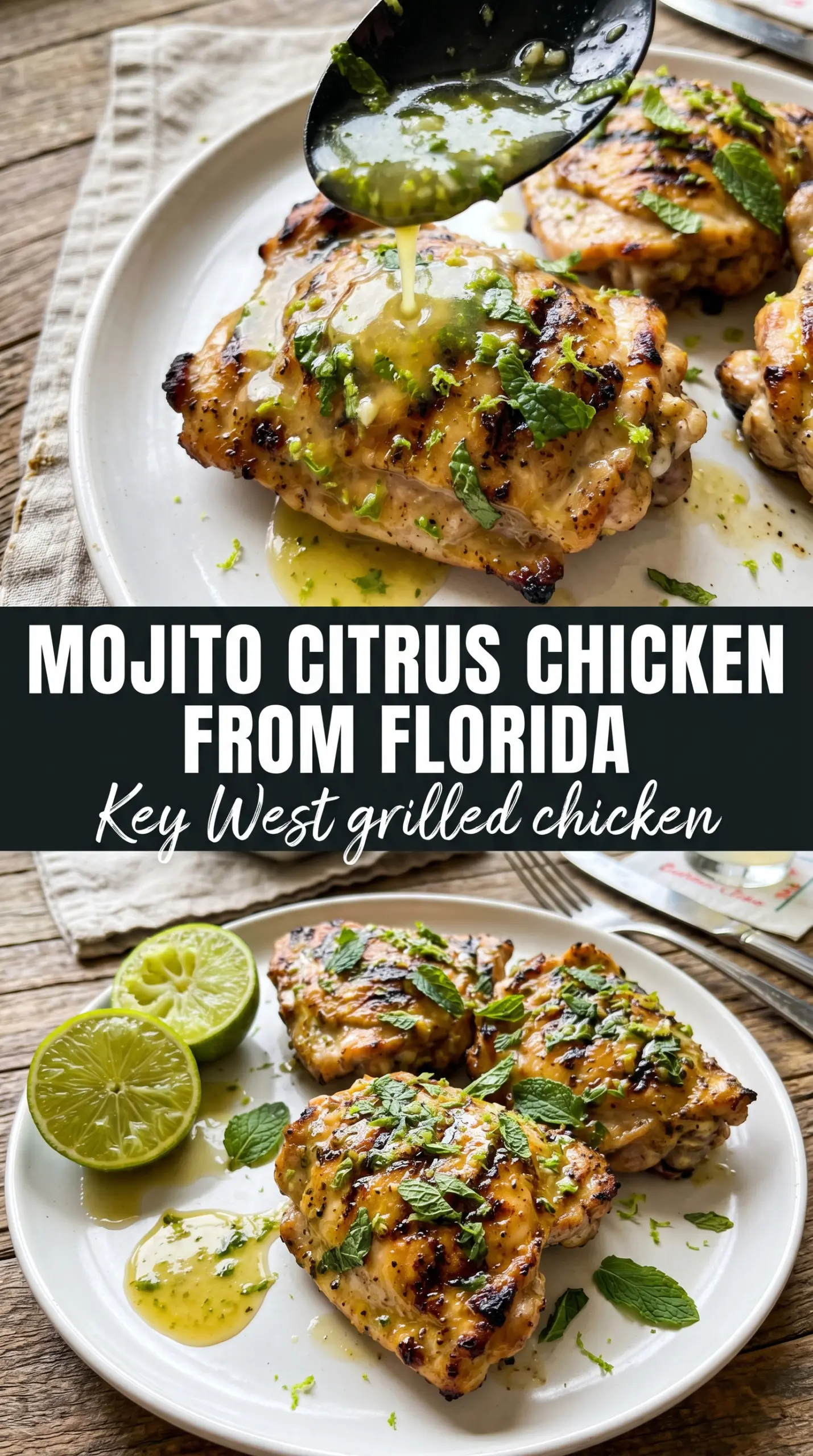
- Key lime juice — This is the backbone of the marinade. It tastes sharper and a little more floral than standard lime, which gives the chicken that Key West brightness. If you only have regular lime, use it; the recipe still works well.
- Orange juice — This softens the acidity and helps the chicken brown on the grill. Fresh-squeezed is ideal, but bottled orange juice is fine here because it’s part of a marinade, not the main flavor.
- Honey — It rounds out the citrus and helps create that lightly glazed finish once the chicken hits the heat. Don’t skip it unless you need a sugar-free version; without it, the marinade tastes sharper and the char won’t look as polished.
- Olive oil — This carries the seasoning and helps the chicken stay moist on the grill. You don’t need anything fancy, just a good everyday oil that won’t overpower the citrus.
- Cumin and garlic — Together they give the marinade depth so it tastes seasoned, not just tart. If you grate the garlic instead of just chopping it, it disperses more evenly and punches through the marinade better.
Grilling It So the Outside Chars Before the Inside Dries Out
Whisking the Marinade Until It Looks Unified
Start by whisking the lime juice, orange juice, olive oil, garlic, honey, cumin, salt, and pepper until the honey is fully dissolved and the marinade looks slightly thickened. If the honey sits in streaks at the bottom, it won’t coat the chicken evenly. The mixture should smell sharp, sweet, and a little earthy from the cumin.
Letting the Chicken Soak Without Overdoing It
Put the chicken pieces in the marinade and turn them so every surface is coated. Cover and refrigerate for 2 to 6 hours. Less than that and the flavor stays on the surface; much longer and the citrus can start to affect the texture in a way that feels soft instead of juicy.
Getting the Grill Marks and the Cook Through
Preheat the grill to medium-high and oil the grates if needed. Lay the chicken down and leave it alone until it releases easily, then flip and continue grilling until the thickest piece reaches 165°F. If the chicken sticks hard, it needs another minute; pulling it too early tears the surface and you lose the char.
Resting Before the Garnish
Move the chicken to a plate and let it rest for 5 minutes. That short pause keeps the juices from running out the second you cut in. Finish with fresh cilantro and lime wedges so the last thing you taste is bright and clean, not just smoky.
How to Adjust the Flavor Without Losing the Florida-Style Feel
Use boneless chicken thighs for a richer grill result
Thighs stay juicier than breasts and forgive a hotter grill a little better. The flavor comes across a touch deeper because the richer meat handles the citrus and cumin without drying out. Just cook them to temperature, not by time alone, because thighs can take a few minutes longer depending on size.
Make it dairy-free and naturally gluten-free as written
This recipe already skips dairy and gluten, which makes it easy to serve a crowd without extra changes. Just watch any bottled garnish or seasoning blend you add on the side, since that’s where hidden gluten or dairy sneaks in. The chicken itself stays just as bright and balanced.
Bake it when grilling isn’t an option
Set the marinated chicken on a lined sheet pan and bake at 425°F until it reaches 165°F, turning once if you want a little color on both sides. You won’t get the same smoky edges, but the citrus glaze still works and the chicken stays tender. A quick broil at the end can help if you want more browning.
Swap in regular lime when Key limes are hard to find
Regular lime gives you a slightly rounder, less floral citrus note, but the marinade still tastes bright and fresh. If the lime you use is especially tart, add a little extra orange juice rather than more honey so the balance stays lively instead of sweet. The result is still clearly Key West style, just a little less sharp.
Storage and Reheating
- Refrigerator: Store leftovers in an airtight container for up to 4 days. The citrus flavor stays nice, though the grill marks soften as it sits.
- Freezer: The cooked chicken freezes well for up to 2 months. Slice or portion it first, then freeze it with a little of the juices so it doesn’t dry out when thawed.
- Reheating: Warm gently in a covered skillet over low heat or in a 300°F oven until just hot. High heat makes the chicken lose moisture fast, which is the main mistake people make with leftovers.
Questions I Get Asked About This Recipe
Key West Grilled Chicken
Ingredients
Equipment
Method
- Whisk together Key lime juice, orange juice, olive oil, minced garlic, honey, cumin, salt, and pepper until honey dissolves and the mixture looks glossy.
- Transfer the marinade to a container or resealable bag so the chicken can be evenly coated.
- Add chicken pieces to the marinade and turn to coat thoroughly, making sure all surfaces are covered.
- Refrigerate for 2-6 hours so the chicken absorbs flavor; keep it covered while marinating.
- Preheat the grill to medium-high heat and lightly oil the grates.
- Grill the marinated chicken over medium-high heat until the internal temperature reaches 165°F, flipping as needed for visible char and even cooking.
- Remove chicken to a plate and rest for 5 minutes so juices redistribute and the exterior stays flavorful.
- Garnish with fresh cilantro and lime wedges right before serving for a bright tropical finish.