Moist chocolate cake gets a quiet heat from cinnamon and cayenne, then soaks up a sweet, fudgy drizzle that settles into every forkful. The whipped cream on top keeps it from feeling heavy, and the chocolate shavings give each slice a little snap against the soft crumb. It’s the kind of dessert that tastes even better after it sits for a while, which is exactly what you want when you’re serving people and don’t want to fuss at the last minute.
The key here is building a cake that can actually hold the poke-cake treatment without turning soggy. Coffee deepens the chocolate without tasting like coffee, buttermilk keeps the crumb tender, and the cinnamon-cayenne combo gives the cake warmth instead of plain sweetness. Pouring the condensed milk mixture over a warm cake matters too — that’s what helps it sink into the holes instead of pooling on top.
Below, I’ve included the small details that keep the texture right, plus a few ways to adapt the cake if you need a dairy-free swap or want to dial the spice up or down.
The cake stayed super moist after the condensed milk went on, and the cinnamon-cayenne finish gave it a little kick without being too spicy. My husband went back for a second slice before dinner was even over.
Save this Mexican Chocolate Poke Cake for the days when you want a rich chocolate dessert with a warm cinnamon-cayenne finish and a glossy chocolate soak.
The Part Most Poke Cakes Get Wrong: Pouring the Soak Too Late
The cake needs to be warm when the sweetened condensed milk and chocolate syrup go on. That’s not just a timing note; it changes how the liquid moves through the crumb. A warm cake opens up just enough to drink in the mixture, while a cooled cake tends to resist it and leave you with a wet layer on top and dry cake underneath.
The other thing that matters is the poke pattern. You want plenty of holes, but not giant tunnels. A fork works better than a skewer here because it makes more small channels, which gives you even coverage without tearing the cake apart. If the cake feels fragile when it comes out of the oven, give it a few minutes before poking so it settles instead of collapsing.
What Each Ingredient Is Actually Doing in This Cake
- Unsweetened cocoa powder — This gives the cake its deep chocolate base without adding extra fat or sweetness. Use a good unsweetened cocoa if you can; the flavor shows up clearly once the cinnamon and cayenne go in.
- Cinnamon and cayenne — These are the Mexican chocolate cues in the recipe. The cinnamon rounds out the chocolate, and the cayenne adds a small heat on the finish, not an obvious spicy burn. If you want a gentler cake, cut the cayenne to a pinch.
- Brewed coffee — Coffee makes chocolate taste darker and fuller. It won’t make the cake taste like mocha, but it will sharpen the cocoa. If you need a swap, use hot water, though the cake will taste a little flatter.
- Buttermilk — This keeps the crumb tender and works with the baking soda for lift. If you don’t have it, stir 1/2 tablespoon of lemon juice or vinegar into 1/2 cup milk and let it sit for 5 minutes before using.
- Sweetened condensed milk — This is the soak that makes a poke cake worth making. It’s thick, sweet, and stable enough to settle into the holes without running straight off the sides.
- Chocolate syrup — This loosens the condensed milk just enough to pour evenly and adds another layer of chocolate. Use the kind you’d actually spoon over ice cream; this is one place where a thin, cheap syrup can taste thin.
How to Build the Cake So It Stays Moist, Not Muddy
Mix the Dry Ingredients Well First
Whisk the flour, sugar, cocoa, baking soda, baking powder, salt, cinnamon, and cayenne until the color looks even. Cocoa likes to clump, and if it isn’t fully distributed, you’ll get pockets of spice or dry streaks in the crumb. A thorough whisk here saves you from overmixing later, which is how cakes turn tough.
Bring the Wet Ingredients Together Without Beating Them Hard
Beat the eggs, coffee, oil, buttermilk, and vanilla just until combined. The oil keeps this cake plush for days, and the coffee should be cool so it doesn’t scramble anything or throw off the texture. Once the wet goes into the dry, stir only until you stop seeing flour. A few streaks are better than a batter that’s been worked to death.
Bake Until the Center Springs Back
Pour the batter into a greased 9×13-inch pan and bake until a toothpick comes out clean, about 30 to 35 minutes. The top should look set and the center should spring back lightly when touched. If you pull it too early, the poke holes can collapse when you add the soak. If you overbake it, the cake will still taste good, but it won’t absorb the sauce as gracefully.
Poke, Soak, and Let It Set
Use a fork to poke holes all over the warm cake, going nearly to the bottom of the pan. Stir the condensed milk and chocolate syrup together until smooth, then pour it slowly so it has time to settle into the holes. Once that’s done, let the cake cool completely before topping it with whipped cream. If you rush the cream on while the cake is still hot, it melts and slides instead of sitting in a clean layer.
Three Ways to Adjust the Cake Without Losing What Makes It Work
For a milder chocolate spice
Cut the cayenne down to a pinch and leave the cinnamon as written. You’ll still get that warm, Mexican chocolate character, but the cake will read more like spiced chocolate than heat-forward dessert.
To make it dairy-free
Use a plain unsweetened non-dairy milk mixed with vinegar in place of the buttermilk, then swap in a dairy-free whipped topping. The texture will still be soft and moist, though the top won’t have quite the same dairy richness as the original.
For a stronger coffee note
Replace part of the brewed coffee with espresso or strongly brewed dark roast coffee. That pushes the chocolate flavor deeper without changing the structure of the cake, but it will make the mocha note more noticeable.
Storage and Reheating
- Refrigerator: Keep covered in the fridge for up to 4 days. The whipped cream stays nicest for the first 2 days, but the cake itself stays moist the whole time.
- Freezer: Freeze the cake without the whipped cream and chocolate shavings. Wrap it tightly and freeze for up to 2 months, then thaw in the refrigerator before topping.
- Reheating: This cake is best served cold or cool, not reheated. If you want the chocolate sauce layer to soften slightly, let a slice sit at room temperature for 15 to 20 minutes instead of microwaving it, which can turn the topping greasy.
Questions I Get Asked About This Recipe
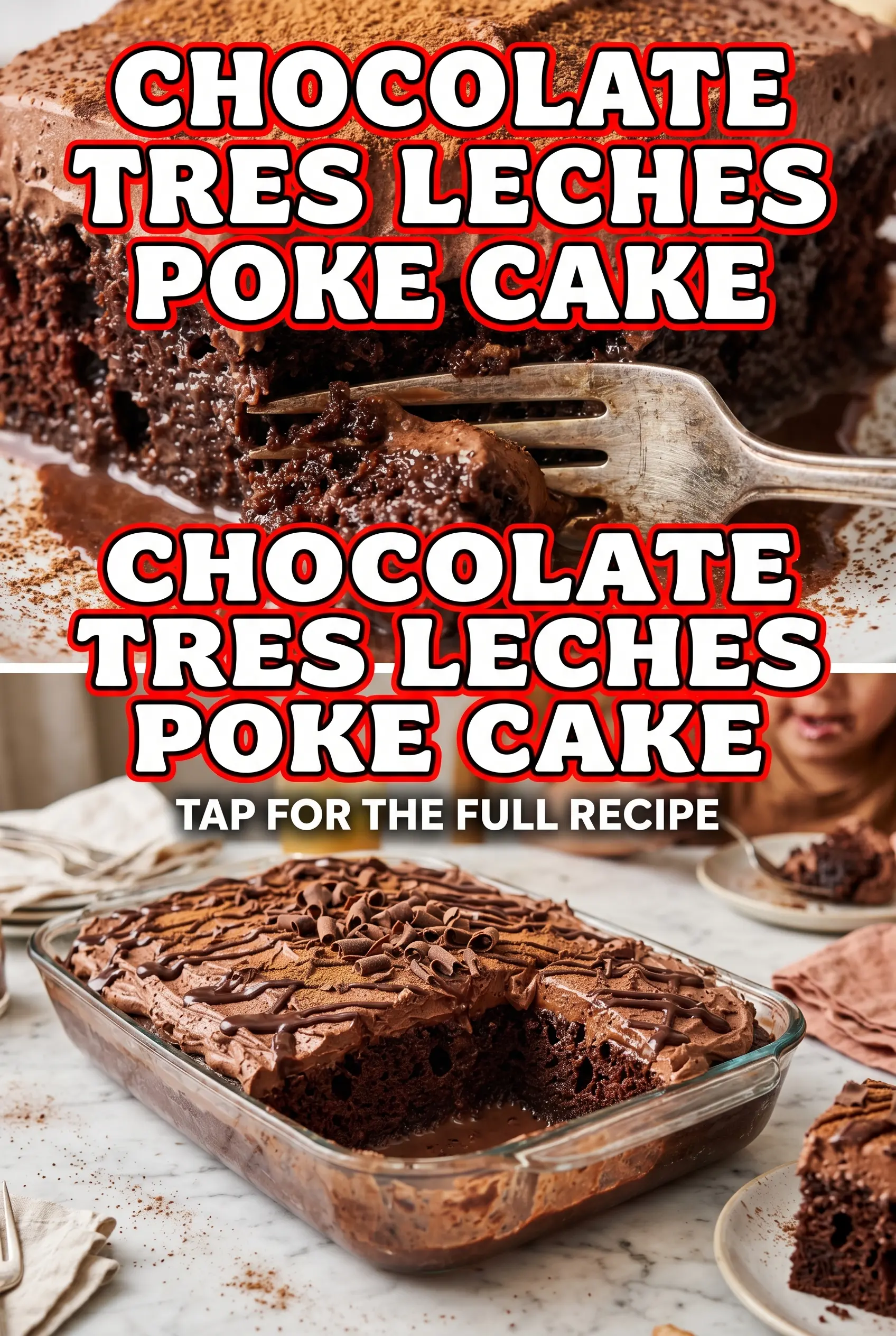
Mexican Chocolate Poke Cake
Ingredients
Equipment
Method
- Preheat the oven to 350°F and grease a 9x13 inch baking pan with a light coating so the cake releases cleanly.
- Whisk together all-purpose flour, granulated sugar, unsweetened cocoa powder, baking soda, baking powder, salt, cinnamon, and cayenne until the dry mix looks evenly streak-free.
- Beat together eggs, cooled strong brewed coffee, vegetable oil, buttermilk, and vanilla extract until smooth and glossy.
- Fold the wet mixture into the dry ingredients just until combined, stopping when no dry pockets remain to keep the crumb tender.
- Pour the batter into the prepared pan and bake for 30-35 minutes at 350°F until a toothpick inserted in the center comes out clean.
- While the cake is still warm, pierce all over with a fork so the surface is densely dotted for maximum soak.
- Combine sweetened condensed milk and chocolate syrup, then pour evenly over the cake so the top looks glossy and saturated.
- Let the cake cool completely, then rest it for 30 minutes to set the soak before topping.
- Spread whipped cream over the cooled cake in an even layer so it covers the soaked surface.
- Finish with chocolate shavings for topping right before serving for visible texture on each slice.