Steak, peppers, onions, and mushrooms cook together in one sealed packet, and that’s what makes these Philly cheese steak foil packet dinners such a dependable weeknight move. The steak stays juicy, the vegetables soften without turning mushy, and the provolone melts right over the top into that familiar cheesesteak finish. Open the packet at the table and you get steam, browned edges, and all the flavor built in with almost no cleanup.
Thinly sliced sirloin is the key here. It cooks fast enough to stay tender in the short grill time, while the Worcestershire sauce brings in the savory depth that keeps the filling from tasting flat once it’s sealed up. Heavy-duty foil matters too, because a thin packet can tear when you flip it or when the cheese melts and everything gets a little slippery.
Below, I’ll walk through the part that matters most: how to keep the steak from overcooking before the vegetables are done, plus the small foil-packet tweaks that make this work on the grill every time.
The steak stayed tender and the peppers still had a little bite, which is exactly what I wanted. Opening the foil at the end was messy in the best way, and the provolone melted over everything just right.
Love how these Philly cheese steak foil packets come out juicy and cheesy? Save this grilled dinner for the nights when you want steak, peppers, and easy cleanup in one packet.
The Reason the Steak Stays Tender Instead of Turning Chewy
Foil packets can go wrong fast when the steak is cut too thick or the heat is too aggressive. In this version, the thin slices of sirloin cook quickly enough that they stay tender while the onions, peppers, and mushrooms soften around them. The other trick is sealing the packets tightly but not cramming them full; steam needs a little room to circulate, or you end up with a soggy pile instead of a proper cheesesteak-style filling.
- Thin-sliced sirloin gives you the best texture here because it cooks fast and stays juicy. If you buy it whole, chill it for 20 to 30 minutes before slicing so you can cut it thinner.
- Heavy-duty foil keeps the packet intact when you flip it. Regular foil tears too easily once the cheese melts and the filling starts releasing juices.
- Provolone melts into a smooth blanket without turning greasy. Mozzarella works in a pinch, but it changes the flavor and loses that classic cheesesteak finish.
- Worcestershire sauce adds the savory depth that makes the filling taste seasoned all the way through, not just salted on top.
What Each Ingredient Is Doing Inside the Packet
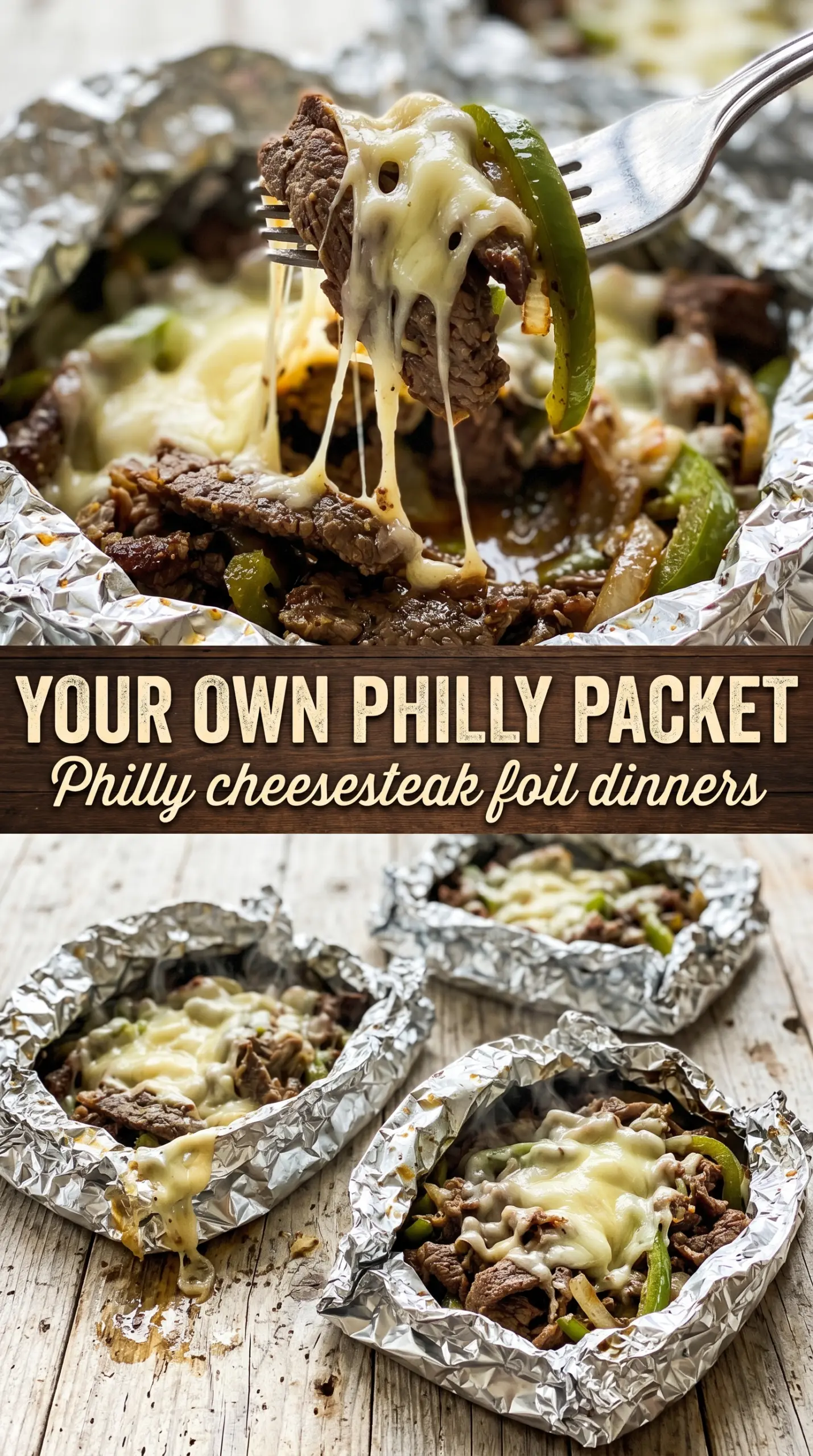
- Sirloin steak is the backbone of the dish. It has enough beefy flavor to stand up to the peppers and onions without needing a long marinade, and it stays tender if you slice it against the grain.
- Bell peppers, onion, and mushrooms bring moisture and sweetness. Mushrooms add a little extra savoriness, but if you don’t like them, you can leave them out and use a little more pepper and onion.
- Olive oil helps the seasonings coat everything and keeps the filling from sticking to the foil. A neutral oil works too, but olive oil adds a little more flavor.
- Worcestershire sauce adds salt, tang, and depth in one move. There isn’t a perfect substitute, but soy sauce with a tiny splash of vinegar will get you close if that’s what you have.
- Provolone cheese melts into the filling at the end and gives you that recognizable cheesesteak pull. Add it on top before sealing so it steams into place instead of sliding off afterward.
Building the Foil Packet So the Fillings Cook at the Same Pace
Stack the ingredients in a shallow mound
Divide the steak and vegetables evenly among the four foil sheets and keep the pile centered. A flatter mound cooks more evenly than a tall one, because the heat can reach the middle without overcooking the edges. If the packet is overloaded, the vegetables steam forever and the steak ends up gray and tight.
Season before you seal
Drizzle each portion with olive oil and Worcestershire sauce, then season with garlic powder, salt, and pepper. Once the packet is closed, you can’t stir or correct the seasoning, so it needs to be distributed now. Toss the ingredients lightly with your hands or a spoon right on the foil so the flavor coats everything instead of sitting on top.
Seal tightly, but leave a little breathing room
Fold the foil into a firm packet and pinch the seams well so the juices stay inside. Leave a small pocket of air above the filling; that steam helps the vegetables soften and the cheese melt. If the foil is pressed directly against the cheese from the start, it can stick and tear when you open the packet.
Cook until the steam builds and the steak just loses its raw look
Grill over medium heat for 18 to 20 minutes and flip halfway through. The packets should puff a little, smell buttery and beefy, and feel hot all the way through when you press the top with tongs. If your steak is cut a little thicker, give it a few extra minutes rather than cranking the heat, because high heat toughens the meat before the vegetables are done.
Open carefully and serve right away
Let the packets sit for a minute before opening them, since the steam escapes fast and it’s hot enough to burn. Pull the foil back slowly so the melted cheese stays on top of the filling instead of tearing away with the wrapper. Serve as-is or tuck the filling into hoagie rolls while it’s still steaming.
How to Adapt These Foil Packets for the Grill You Have and the Food You’re Serving
Skip the roll and keep it low-carb
Serve the filling straight from the foil or over cauliflower rice instead of hoagie rolls. You still get the full cheesesteak feel, but without the bread soaking up the juices.
Make it dairy-free
Leave off the provolone or use a melty dairy-free slice if you have one you trust. The filling still tastes complete because the Worcestershire, steak, and vegetables carry the flavor, but you’ll lose the creamy finish that melts into the meat.
Use chicken instead of steak
Thinly sliced chicken breast works if that’s what you have, but it needs to reach a safe internal temperature, so the pieces should be cut even thinner than the steak. The result is lighter and a little less rich, but it still handles the peppers, onions, and provolone well.
Storage and Reheating
- Refrigerator: Store leftovers in an airtight container for up to 3 days. The vegetables soften a little more after chilling, but the flavor holds up well.
- Freezer: The filling can be frozen, but the peppers and onions will lose some texture. Freeze in a sealed container for up to 2 months and expect them to be softer after reheating.
- Reheating: Warm in a skillet over medium-low heat or in a 325°F oven covered with foil until hot. Don’t blast it in the microwave too long or the steak will tighten up and the cheese can turn greasy.
Questions I Get Asked About This Recipe
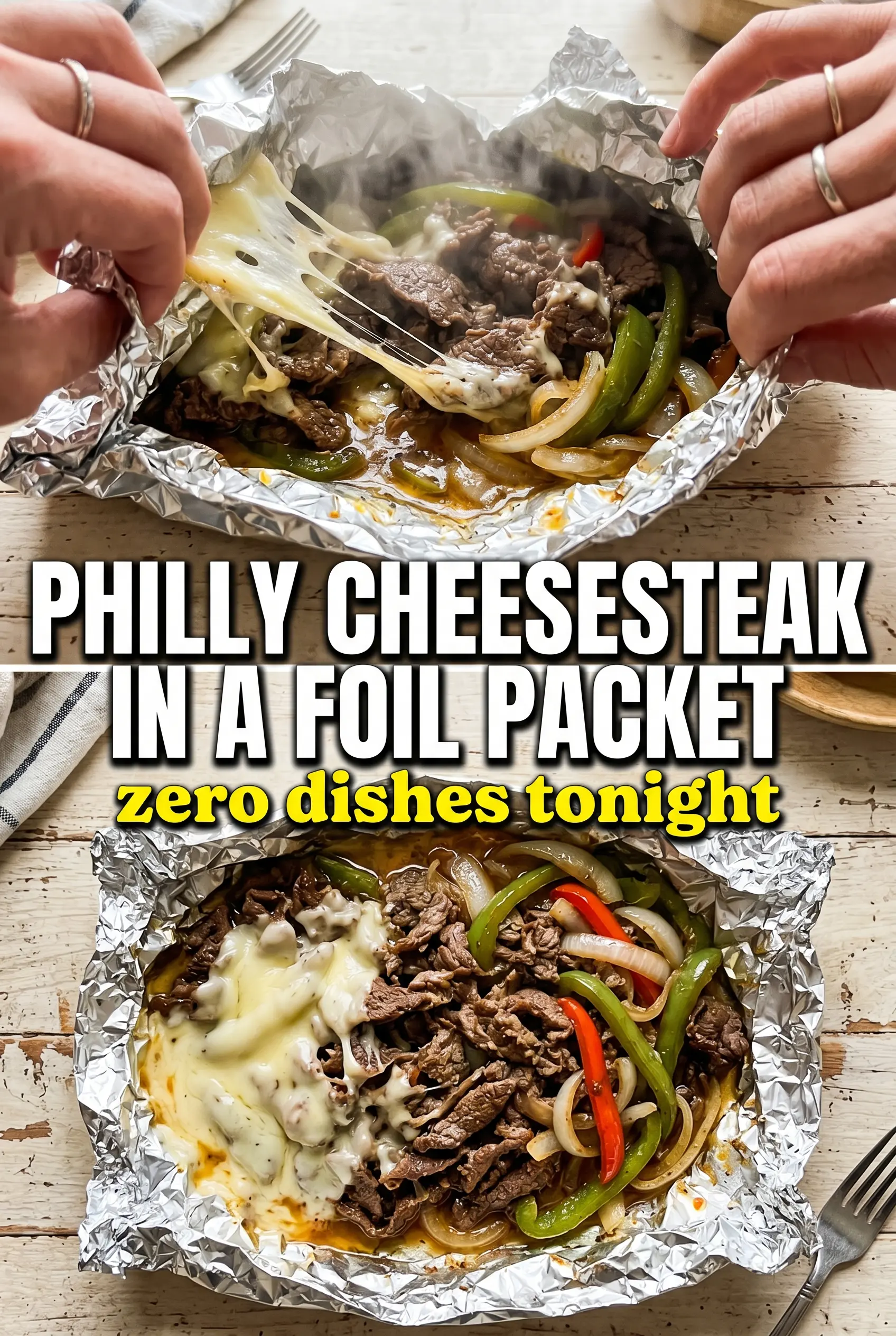
Philly Cheese Steak Foil Packet Dinners
Ingredients
Equipment
Method
- Divide the thinly sliced sirloin steak, sliced bell peppers, sliced onion, and sliced mushrooms evenly among 4 large sheets of heavy-duty foil.
- Drizzle 2 tablespoons olive oil and 2 tablespoons Worcestershire sauce over the ingredients on each foil sheet.
- Sprinkle garlic powder, salt, and pepper over each packet so the steak and vegetables are evenly seasoned.
- Top each foil packet with 2 slices provolone cheese.
- Fold the foil into sealed packets, pressing the seams shut so juices stay inside while grilling.
- Grill the sealed packets over medium heat for 18-20 minutes, flipping halfway, until the steak is cooked and the vegetables are tender.
- Carefully open the foil packets (watch for steam) and serve the Philly cheesesteak mixture in hoagie rolls or as-is.