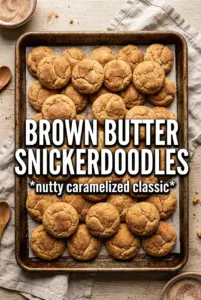
Pumpkin snickerdoodle cookies bake up soft and thick with crisp, cinnamon-sugar edges and that familiar tangy snickerdoodle bite. The pumpkin brings a warm orange color and a gentle earthy note, but the texture stays cookie-like instead of turning cakey, which is where a lot of pumpkin cookies go wrong.
The trick is drying the pumpkin puree first. Pumpkin holds a lot of water, and if you skip that step, the dough spreads less predictably and the cookies can bake up puffy instead of tender with those crackly tops. Cream of tartar keeps the signature snickerdoodle tang, while the spice blend leans warm without overpowering the sugar coating.
Below, I’ve laid out the small details that matter here, from the right dough texture to the exact timing for rolling and baking. If you’ve ever had pumpkin cookies come out too soft, too wet, or oddly bready, this version fixes that.
The pumpkin flavor was there, but the cookies still had those classic snickerdoodle cracks and a soft middle. Blotting the puree first made a huge difference, and they stayed chewy even the next day.
These pumpkin snickerdoodle cookies stay soft in the center and crinkly on top, so save them for the days when you want a cozy cookie that still feels bakery-style.
The Pumpkin That Won’t Turn These Cookies Cakey
Most pumpkin cookies miss the mark because the dough carries too much moisture before it even hits the oven. Pumpkin puree looks harmless, but it behaves like a hidden liquid ingredient, and that extra water pushes cookies toward muffin-like texture. Blotting the puree dry is the difference between a soft cookie with a defined bite and a cookie that bakes up airy and puffy.
The other thing that matters here is the balance of leavening and spice. Cream of tartar gives snickerdoodles their trademark tang and helps the cookies crackle on top, while baking soda gives enough lift without sending them into cake territory. The cinnamon-sugar coating also does double duty: it adds flavor, and it helps the outsides set with that classic sandy crust.
What Each Ingredient Is Actually Doing in This Dough
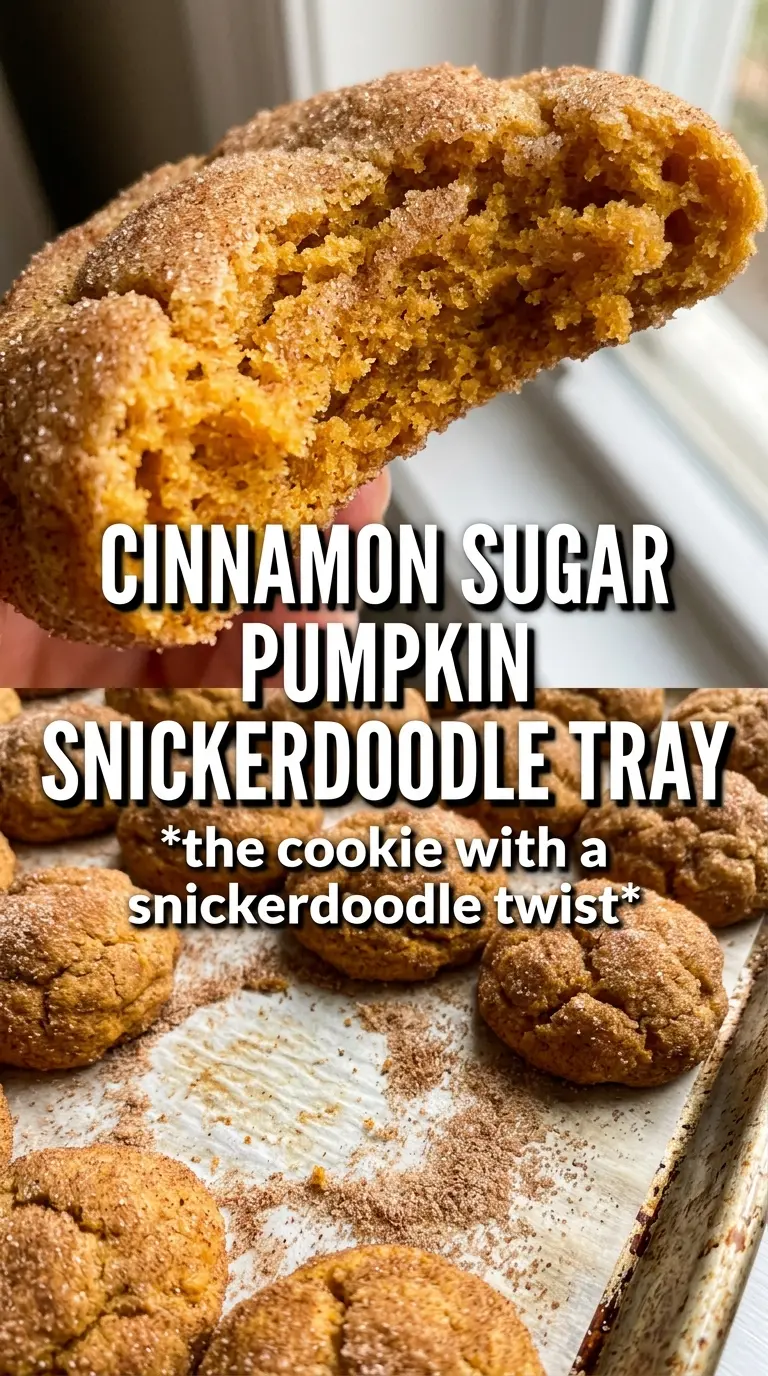
- Pumpkin puree — Use plain pumpkin puree, not pumpkin pie filling. The puree needs to be blotted dry on paper towels until it looks noticeably thicker; that step keeps the dough from going sticky and helps the cookies bake with crisp edges.
- Cream of tartar — This is what gives snickerdoodles that gentle tang and their signature texture. If you leave it out, the cookies will still work, but they’ll lose the classic snickerdoodle character.
- Butter — Softened butter creams with the sugar to trap air, which gives the cookies their light, pillowy middle. Cold butter won’t whip properly, and melted butter will make the dough greasy and spread too much.
- Spice blend — Cinnamon does the heavy lifting, but the nutmeg, ginger, and allspice keep the pumpkin from tasting flat. If you only have pumpkin pie spice, use that in place of the individual spices and keep the cinnamon in the dough.
- All-purpose flour — The flour gives these cookies enough structure to hold their shape after rolling. Too little flour and they spread; too much and they bake up dry, so measure it carefully and don’t pack it into the cup.
The 20 Minutes That Shape the Dough
Dry the Pumpkin First
Blot the pumpkin puree between layers of paper towel several times until it stops leaving a wet smear. It doesn’t need to be bone dry, but it should look concentrated and feel more like a soft paste than a loose puree. If you skip this, the dough gets sticky fast and the cookies lose that defined snickerdoodle shape.
Cream the Butter and Sugar Until It Looks Fluffy
Beat the butter and sugar until the mixture lightens in color and looks airy instead of grainy. That step builds the base of the cookie, and it matters more here than in a drop-and-bake dough because the pumpkin adds weight. Stir in the egg, vanilla, and dried pumpkin only after the butter mixture is properly whipped, or the dough can turn dense.
Stop Mixing as Soon as the Flour Disappears
Once the flour mixture goes in, mix only until the dough comes together. Overmixing tightens the dough and makes the cookies tougher, especially once the flour has absorbed the pumpkin moisture. The dough should be soft and slightly sticky, but still easy enough to scoop.
Roll Generously and Bake on the Short Side
Roll the dough balls generously in the cinnamon-sugar mixture so the coating actually sticks and forms those crinkled tops. Bake until the edges are set and the centers still look a little soft; they finish on the hot pan as they cool. If you wait for them to look fully done in the oven, they’ll be dry by the time they cool.
How to Adapt These Pumpkin Snickerdoodle Cookies Without Losing the Texture
Gluten-Free Version
Swap the all-purpose flour for a good 1:1 gluten-free baking blend that includes xanthan gum. The cookies will still spread and crackle properly, but the texture may be a touch more delicate, so let them cool on the pan before moving them.
Dairy-Free Swap
Use a plant-based butter stick, not a tub-style spread. You want the fat content to stay close to real butter so the cookies cream properly and don’t spread into thin, greasy rounds.
Extra-Spiced Version
Add another 1/4 teaspoon cinnamon and a pinch more nutmeg if you want the spice to push harder against the sweet coating. Keep the pumpkin modest, though, or the cookies start tasting more like pumpkin bread than snickerdoodles.
Storage and Reheating
- Refrigerator: Store in an airtight container for 4 to 5 days. The cookies stay soft, though the sugar coating softens a bit after the first day.
- Freezer: Freeze baked cookies for up to 2 months, or freeze the rolled dough balls and bake from frozen with 1 to 2 extra minutes. Freezing the dough works especially well here.
- Reheating: Warm cookies in a 300°F oven for 3 to 4 minutes just until the outside wakes back up. The common mistake is microwaving them too long, which makes the centers rubbery and collapses the texture.
Answers to the Questions Worth Asking
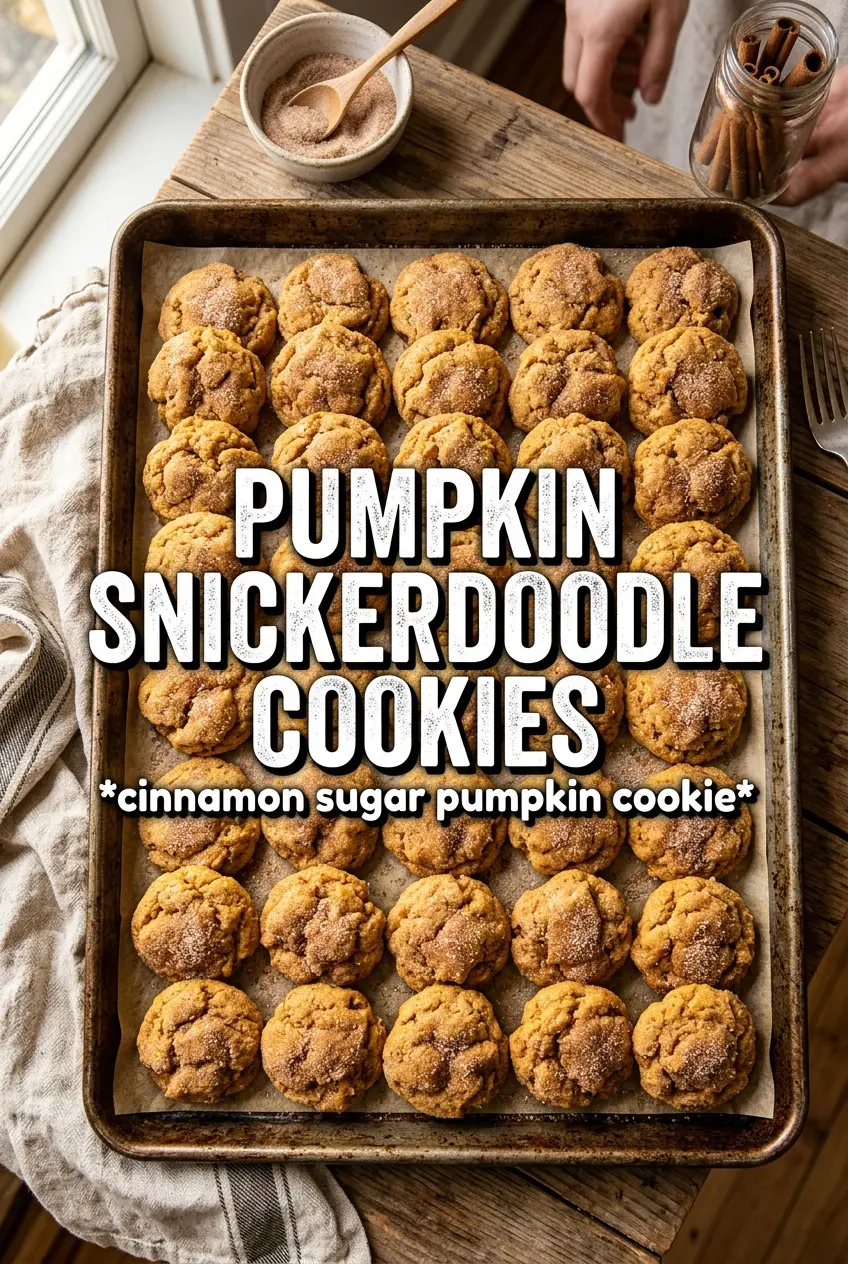
Pumpkin Snickerdoodle Cookies
Ingredients
Equipment
Method
- Preheat oven to 375°F and line baking sheets with parchment.
- Blot pumpkin puree between paper towels several times to remove as much moisture as possible.
- Whisk all-purpose flour, cream of tartar, baking soda, cinnamon, nutmeg, ginger, allspice, and salt until evenly combined.
- Beat softened unsalted butter and granulated sugar until very light and fluffy.
- Add the egg, vanilla extract, and blotted pumpkin puree and mix until smooth and combined.
- Fold in the flour mixture until just combined, keeping the dough slightly sticky.
- Refrigerate the dough for 30 minutes if it’s very soft.
- Mix the rolling sugar, cinnamon, and pumpkin pie spice in a shallow bowl.
- Scoop dough into 1 1/2 tablespoon balls and roll generously in the cinnamon-spice sugar until coated.
- Bake at 375°F for 10-12 minutes until the edges are set and the tops are crinkled.
- Cool on the pan for 5 minutes, so the cookies firm as they cool.