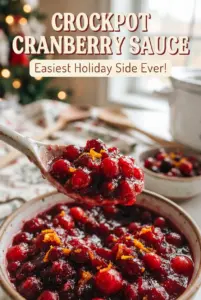
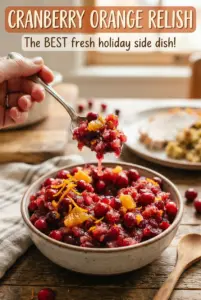
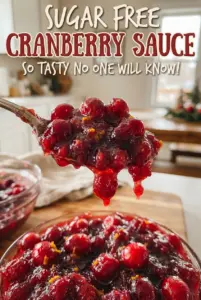
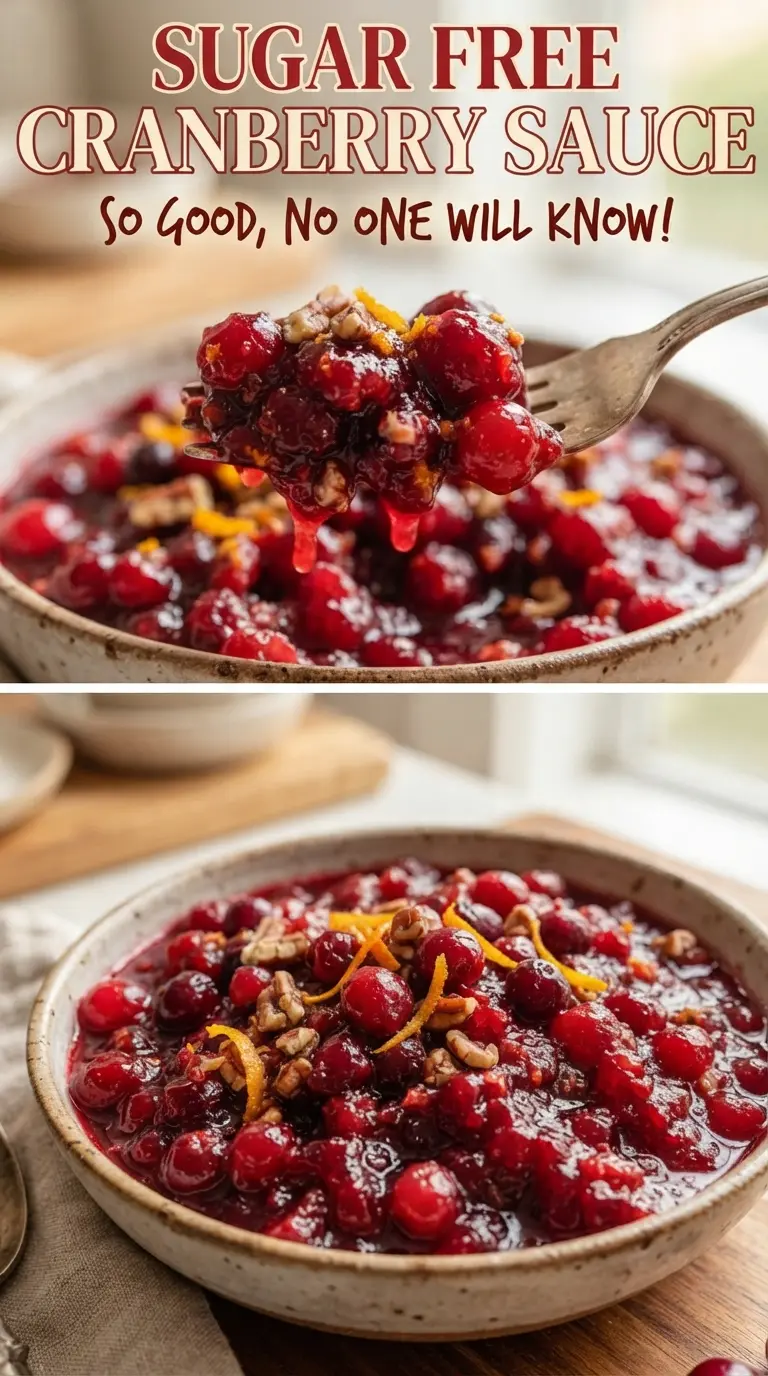
Glossy, tart cranberry sauce gets its best texture when the berries split open just enough to thicken the pot without turning the whole thing into jam. This sugar-free version keeps that bright cranberry bite, with orange zest and cinnamon giving it a warm finish that tastes clean instead of heavy. It lands on the table with whole burst berries, a little shine, and enough body to hold its shape on a spoon.
The trick is starting with the sweetener dissolved in water before the cranberries go in. That gives the berries a chance to cook in a properly balanced liquid, so you don’t end up chasing sweetness at the end or overcooking the fruit while trying to fix it. Monk fruit and allulose both work well here because they keep the sauce from tasting flat, and neither one needs the same kind of reduction sugar does.
Below you’ll find the exact cue for when the sauce is done, plus a few smart swaps if you want it a little brighter, thicker, or more citrusy. It also chills beautifully, which makes it one of the easiest side dishes to get out of the way ahead of time.
I loved that the sauce thickened as the berries burst instead of turning watery. The orange zest at the end made it taste fresh, and it was perfect after chilling overnight.
This sugar-free cranberry sauce brings tart berries, orange zest, and cinnamon together in one bright, glossy side dish.
The Reason Cranberry Sauce Turns Watery Before It Thickens
Cranberries don’t need much help to break down, but they do need time after the first burst. A lot of cranberry sauces get pulled too early, right when the berries pop and the liquid still looks loose. As it cools, the natural pectin in the fruit thickens the sauce, so what looks thin in the pot often sets up beautifully in the fridge.
The other thing that trips people up is heat. If the pot is boiling hard the whole time, the outside of the berries collapse before the centers soften, and the sauce can taste sharp instead of rounded. A steady simmer gives you intact berry pieces, a glossy finish, and a sauce that still tastes like cranberries instead of sweetened pulp.
- Whole cranberries — Fresh berries give the best texture here. Frozen cranberries work too; use them straight from the freezer and add a minute or two to the simmer.
- Monk fruit or allulose — Both sweeten without the grainy aftertaste some sugar substitutes leave behind. Allulose gives a slightly softer, more syrupy finish, while monk fruit tends to taste a touch brighter.
- Orange zest — Add it at the end so the aroma stays fresh. If you stir it in too early, the citrus notes fade while the sauce cooks.
- Cinnamon — A little goes a long way. It should support the cranberry flavor, not turn the sauce into a spice blend.
What Each Ingredient Is Actually Doing in This Recipe
- Primary ingredient (the star) — Quality matters most. Choose the best you can find.
- Cooking medium (oil, butter, or broth) — This carries flavors and prevents dryness.
- Seasonings (salt, pepper, spices, herbs) — Layer flavors so nothing overpowers. Build depth gradually.
- Aromatics (garlic, onion, herbs) — Cook with fat to bloom flavors. Become the foundation.
- Supporting ingredients — Complement the main ingredient without overpowering it.
- Sauce or liquid (if applicable) — Brings flavors together. Balance richness with acid.
- Acid (lemon, vinegar, wine, or other) — Brightens and prevents flat-tasting results.
- Final finish (garnish, glaze, or sauce) — Prevents one-dimensional taste and adds visual appeal.
Cooking the Berries Until They Burst, Not Disintegrate
Start with the Sweetener Syrup
Combine the water and sweetener in the saucepan and bring it to a boil, stirring until the sweetener disappears. That step matters because undissolved sweetener can leave the sauce with a gritty finish. Once the liquid is clear and hot, the cranberries can cook evenly from the start.
Simmer Until the Pot Starts Speaking for Itself
Add the cranberries, cinnamon, and salt, then drop the heat to a steady simmer. Within a few minutes, you should hear the berries pop and see the liquid turn deep red. Stir now and then, but don’t mash everything immediately; a few whole berries give the sauce its best texture. If the sauce starts to look dry before the berries have burst, the heat is too high.
Finish with Zest and a Final Taste
Take the pan off the heat once the sauce looks slightly looser than you want it to be. Stir in the orange zest after cooking so the citrus stays vivid. Taste it while it’s still warm, then add a little more sweetener only if it needs it; cranberries sharpen as they cool, so overcorrecting now can make the sauce taste flat later.
How to Adapt This Sugar-Free Cranberry Sauce for Different Tables
Make it sharper and brighter
Add a little more orange zest or a teaspoon of orange juice at the end. The juice adds brightness, but too much can thin the sauce, so keep it small if you want that spoonable texture.
Use frozen cranberries without changing the method
Frozen berries go straight into the pan from the freezer. They may take a minute or two longer to burst, but the final texture stays the same, which makes this an easy year-round side dish.
Make it keto-friendly with allulose
Allulose is the most natural fit if you’re keeping carbs low because it dissolves cleanly and behaves a lot like sugar in the finished sauce. It gives the sauce a softer, rounder texture than some other sweeteners, which helps a lot in a recipe this simple.
Storage and Reheating
- Refrigerator: Keep in an airtight container for up to 1 week. It thickens as it chills, so expect a firmer set the next day.
- Freezer: It freezes well for up to 2 months. Thaw overnight in the refrigerator and stir well before serving.
- Reheating: Cranberry sauce is usually best served cold or room temperature, but you can warm it gently over low heat if needed. Don’t boil it again or it can loosen too much and lose that glossy finish.
Answers to the Questions Worth Asking
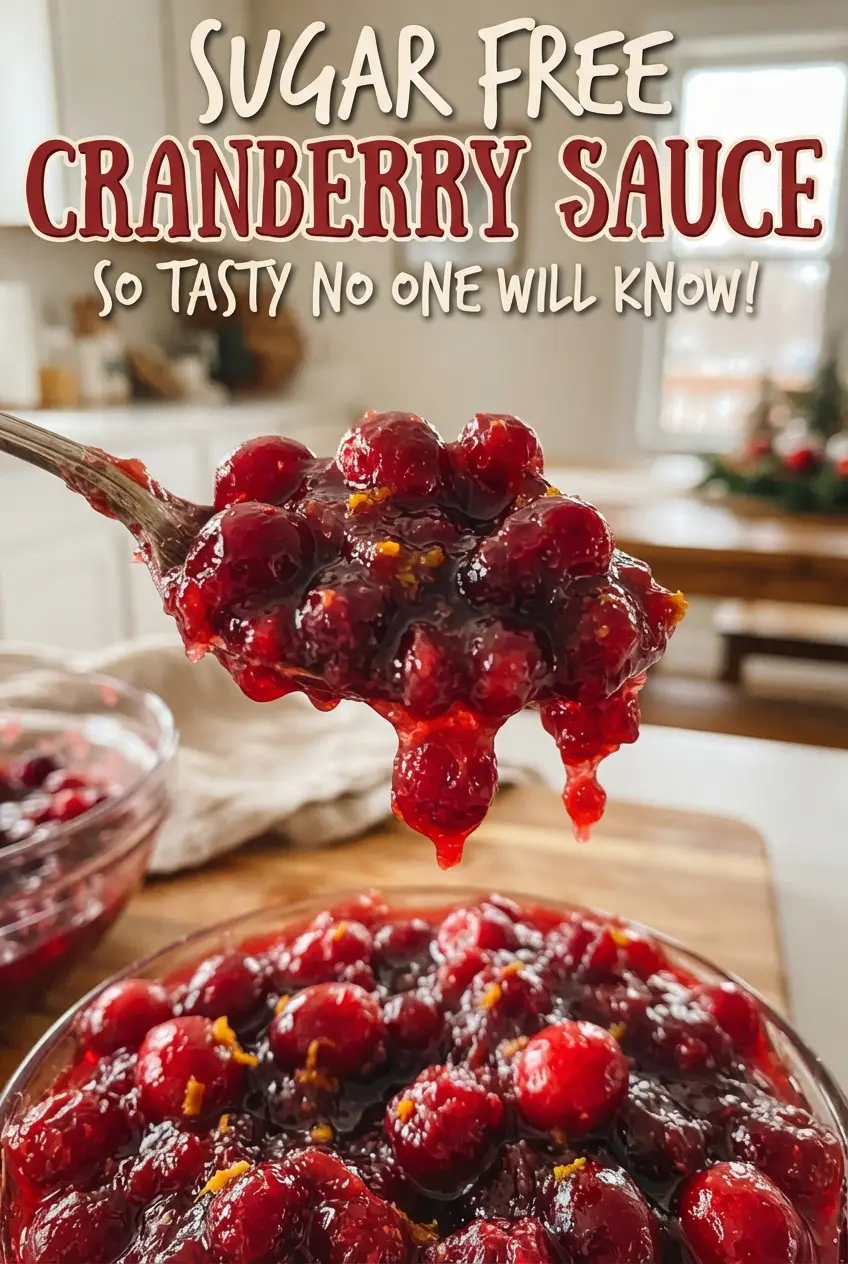
Sugar Free Cranberry Sauce
Ingredients
Equipment
Method
- Bring the water and granular monk fruit or allulose sweetener to a boil in a saucepan, stirring until dissolved (about 1–2 minutes). Look for the liquid to turn clear and steady with small bubbles across the surface.
- Add the fresh cranberries, ground cinnamon, and salt, and stir to coat (start with the pan at a boil). You should see berries tumble and begin to soften immediately.
- Simmer for 10–12 minutes until the berries burst and the sauce thickens. Watch for a jammy texture that coats a spoon and leaves visible burst cranberry skins.
- Remove from heat and stir in the orange zest. The sauce should look glossy and turn slightly brighter in color.
- Taste and add more sweetener only if needed for your preference. The goal is a balanced tart-sweet flavor without thinning.
- Cool completely, then chill before serving. It should thicken further in the refrigerator into a spoonable gel.