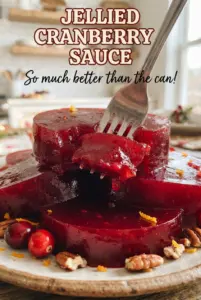
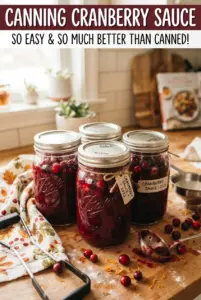
Thick, glossy cranberry sauce with a bright pop of tart fruit belongs next to more than holiday roast dinners. It settles into that sweet-tart middle ground that wakes up turkey, pork, chicken, and even a leftover sandwich the next day. The best part is the texture: whole berries burst in the pan, then the sauce finishes into a jammy spoonable consistency as it cools.
This version keeps the ingredient list down to the three things cranberry sauce actually needs: cranberries, sugar, and water. Boil the sugar into the water first so the syrup starts evenly sweet before the berries go in, then simmer just long enough for the cranberries to burst without turning the pot into a scorched mess. The sauce looks a little loose when it comes off the stove, but that’s normal — it thickens as it chills.
If you’ve only ever bought cranberry sauce in a can, the difference here is worth noticing. Below, I’ve included the one timing cue that matters, the best way to judge doneness, and a few simple ways to adjust the batch if you want it a little brighter, thicker, or less sweet.
I loved how the berries burst just enough to thicken the sauce without turning it into jelly. It set up perfectly after chilling, and the leftovers were even better the next day with turkey.
Love that glossy, jammy cranberry sauce? Save this 3 ingredient version for the easy side dish that thickens beautifully as it chills.
The Part That Keeps Cranberry Sauce from Turning Thin and Watery
The mistake people make with cranberry sauce is stopping the cook the second the berries burst. At that point, the mixture still needs a minute or two for the juices to concentrate. If you pull it too early, the sauce can taste sharp and look loose even after chilling.
The other thing that matters is the order. Dissolving the sugar in the water first gives you a clean syrup, so the cranberries cook in an even sweet base instead of sitting on top of gritty granules. Once the berries hit the pot, you want a steady simmer, not a violent boil. Hard boiling breaks the berries down too aggressively and can splash thick syrup all over the stove.
Watch for a mix of whole berries, split skins, and a sauce that starts to look slightly glossy and cohesive in the pan. That is the point to take it off the heat. It will continue to set as it cools on the counter and then tighten further in the refrigerator.
What Each Ingredient Is Actually Doing in This Sauce
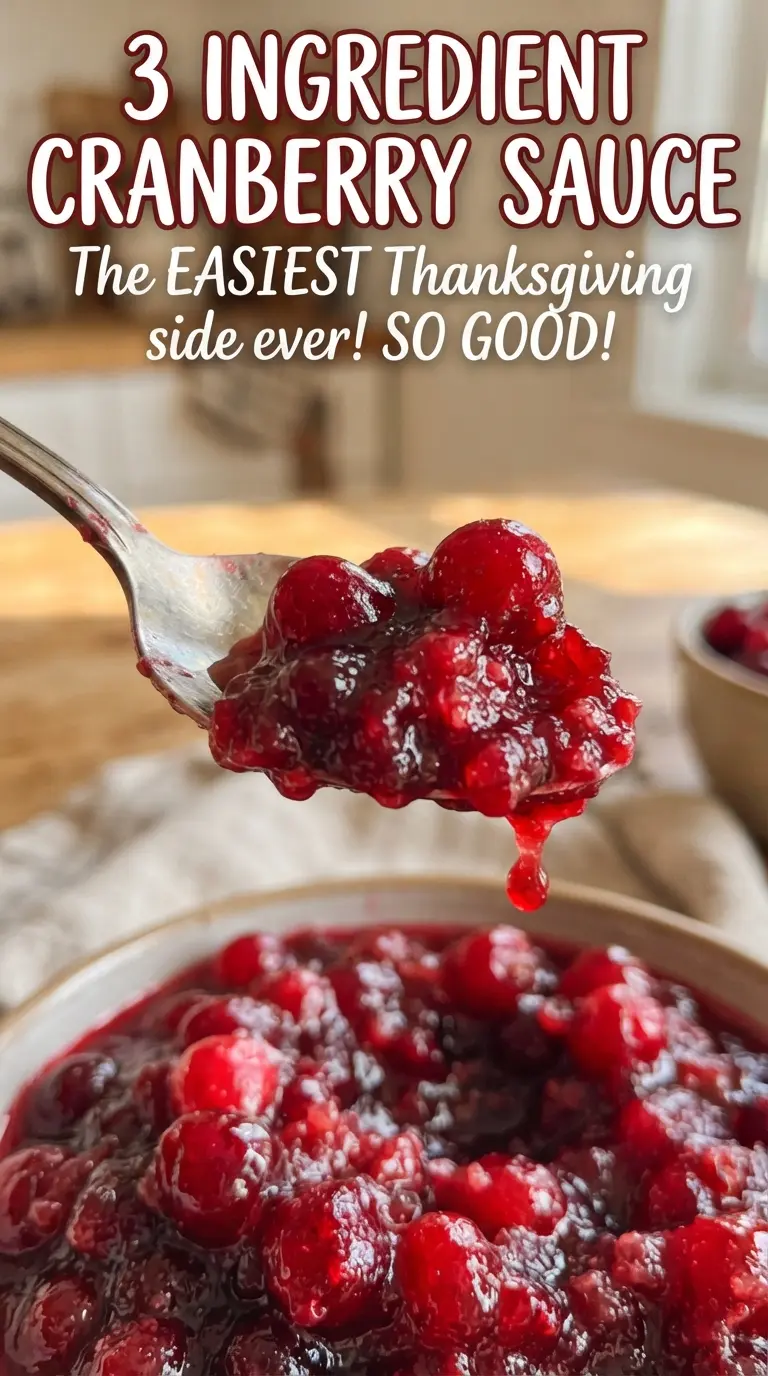
Fresh cranberries are the whole point here. They bring the tartness, the color, and the natural pectin that helps the sauce thicken as it cools. Frozen cranberries also work without thawing, and they usually need the same cook time.
Granulated sugar balances the sharp fruit and helps the sauce set into that glossy, spoonable texture. This is one place where the regular white sugar is the right tool; brown sugar changes the flavor and adds molasses notes that cover up the clean cranberry taste.
Water gives the berries enough liquid to cook evenly without scorching before they release their juice. Don’t reduce it at the start. If you want a thicker sauce, cook it a minute longer after the berries burst instead of cutting the water down too far.
How to Cook It So the Sauce Sets, Not Splashes
Dissolve the Sugar First
Start with the sugar and water in a saucepan and bring it to a boil, stirring until every grain disappears. The liquid should look clear, not cloudy or sandy. If you add the berries before the sugar dissolves, the bottom of the pan can feel gritty and the finished sauce won’t taste as clean.
Let the Cranberries Burst on Their Own
Add the cranberries and return the pot to a boil, then lower the heat to a steady simmer. You’ll hear the berries pop as they split. Stir occasionally so the bottom doesn’t catch, but don’t churn the pan constantly or you’ll break the berries down too fast and lose the texture.
Stop When It Looks Loose
After about 10 minutes, most of the berries should have burst and the liquid should look slightly syrupy. It will still seem thinner than finished sauce, and that’s exactly right. Pull it off the heat, let it cool completely, then chill it before serving so it can set into that jammy consistency.
Make It Less Sweet
Cut the sugar back to 3/4 cup if you like a sharper sauce with more tart cranberry bite. The texture will still set, but the finished sauce will taste brighter and a little less syrupy.
Use Frozen Cranberries
Frozen cranberries can go straight into the pot from the freezer. They may take an extra minute or two to come back to a boil, but the final sauce texture is the same once the berries burst and the mixture chills.
Add Orange for a Brighter Finish
Swap 1/4 cup of the water for orange juice and add a little orange zest at the end. That gives the sauce a citrus lift without changing the structure, though it does move the flavor away from the classic straight-cranberry version.
Storage and Reheating
- Refrigerator: Store in an airtight container for up to 10 days. It gets thicker and more set after the first day.
- Freezer: It freezes well for up to 2 months. Cool completely first, then freeze in a sealed container with a little headspace for expansion.
- Reheating: Cranberry sauce is usually served cold or room temperature, but if you want it warm, heat it gently on low. High heat can make it bubble and thin out more than you want.
Answers to the Questions Worth Asking
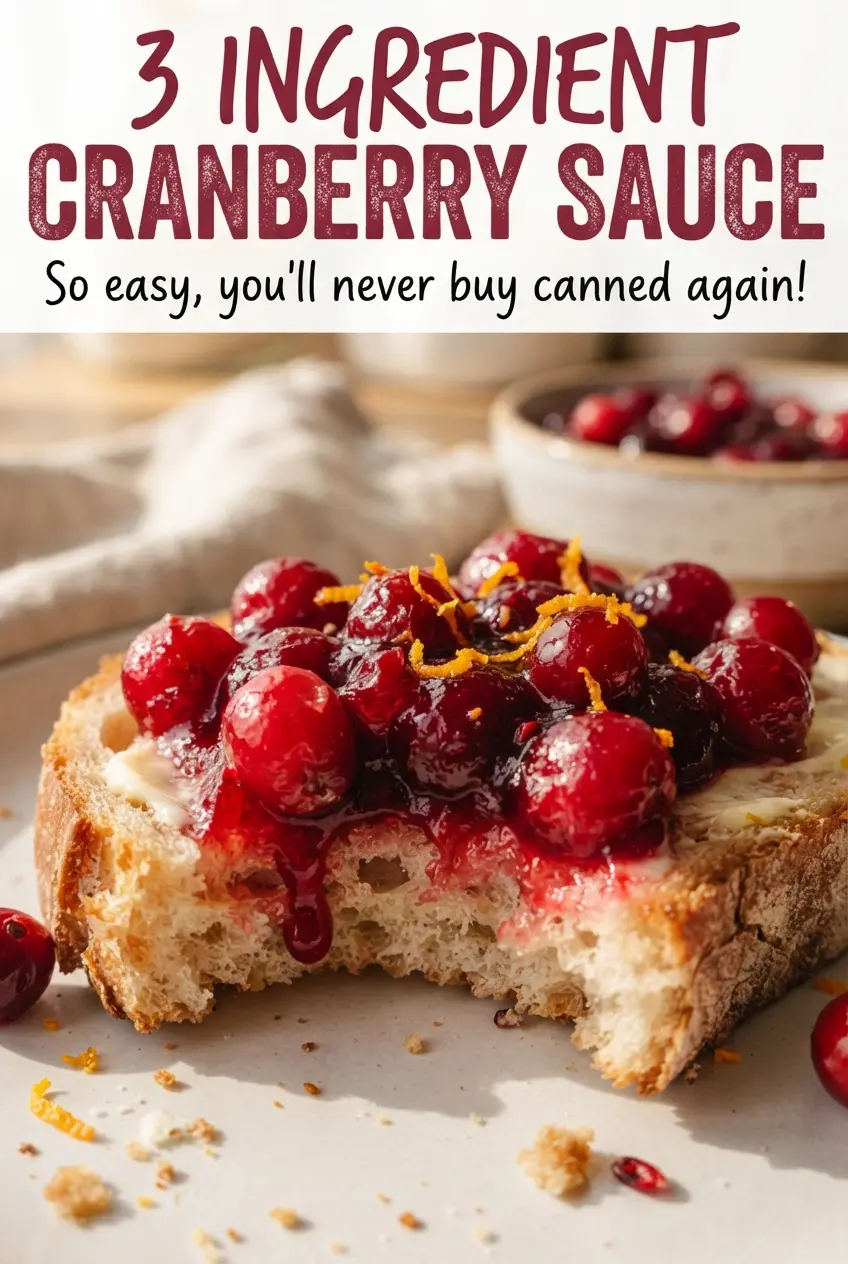
3 Ingredient Cranberry Sauce
Ingredients
Equipment
Method
- In a saucepan, combine granulated sugar and water and bring to a boil over medium-high heat, stirring until the sugar dissolves.
- Once the syrup is boiling, add the fresh cranberries and return to a boil, so the berries start bubbling immediately.
- Reduce heat to low to maintain a gentle simmer and cook for 10 minutes, stirring occasionally, until the berries burst and the sauce looks thick and glossy.
- Remove the saucepan from the heat and cool completely, then chill until serving so the sauce sets as it cools.