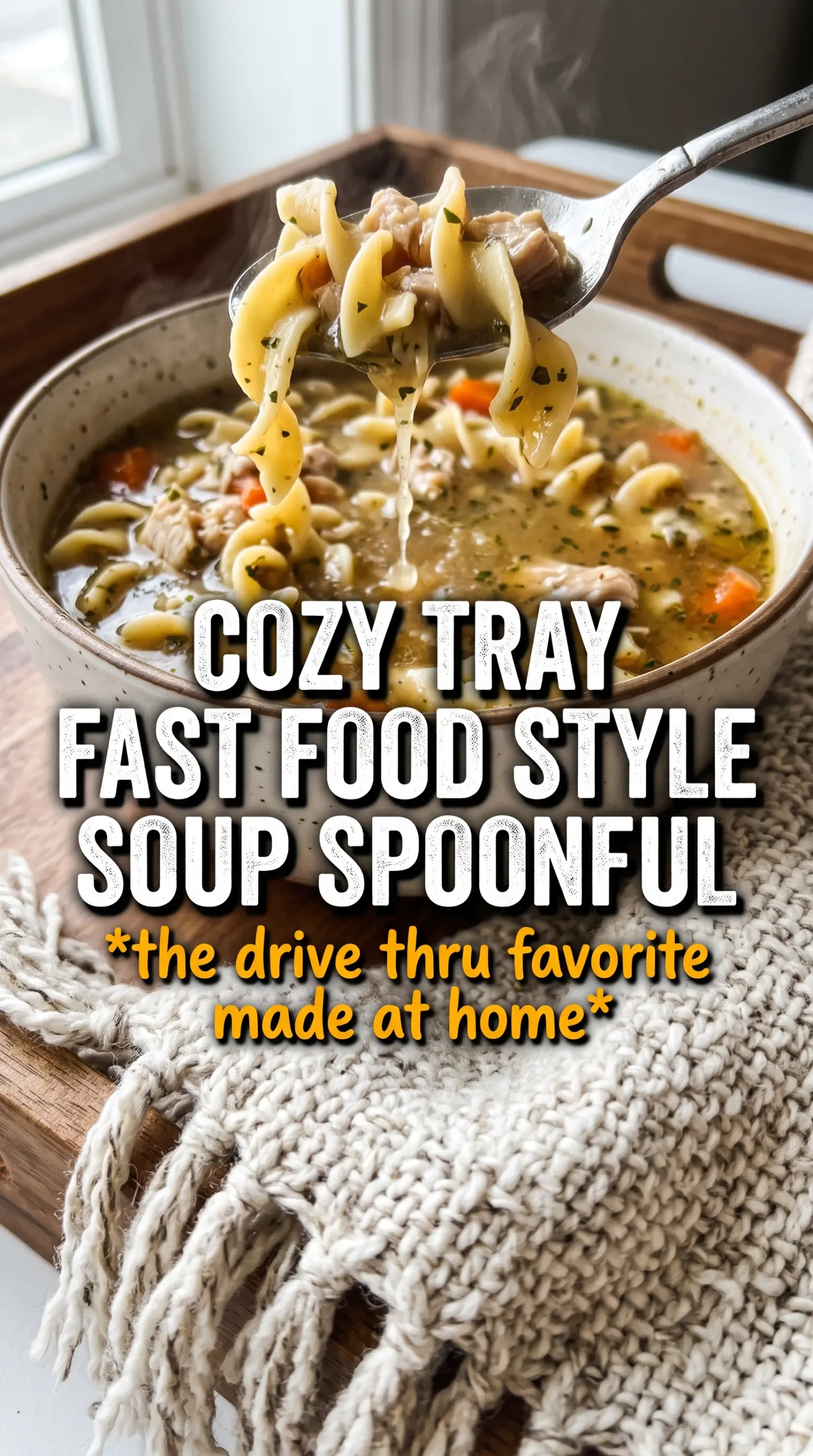
Clear broth, tender noodles, and little bites of chicken make this soup feel familiar in the best way. It tastes light but still satisfying, with soft vegetables and a clean, savory finish that lands right between comforting and fresh. The part that matters most is the texture: the chicken stays in neat little cubes instead of stringy shreds, so every spoonful feels closer to the bowl you’d get at the restaurant.
This version works because it keeps the broth simple and lets the vegetables soften before the noodles go in. That order matters. If the noodles cook too early, they soak up too much liquid and turn the soup cloudy and heavy. Finely diced chicken also makes a bigger difference than most people expect — it warms through quickly, stays delicate, and spreads evenly through the pot instead of clumping at the top.
Below, I’ve included the trick that keeps the broth clear, plus a few smart swaps if you need to work with what’s already in the pantry.
The broth stayed clear, the noodles were still tender after reheating, and the diced chicken made it taste just like the Chick-fil-A soup my kids ask for all the time.
Keep this Chick-fil-A chicken noodle soup handy for nights when you want a clean, cozy bowl with tender noodles and that finely diced chicken texture.
The Reason the Chicken Stays Tender Instead of Stringy
Most copycat chicken noodle soups miss the mark because the chicken is shredded too fine or cooked too long. That gives you wispy strands that disappear into the broth instead of the clean, small bites you get in the original. Finely diced chicken keeps its shape, so the soup feels structured and spoonable without turning heavy.
The other mistake is overcooking the vegetables before the noodles even go in. Carrots and celery should soften, not collapse, because they need to keep enough texture to balance the broth. Once the chicken is added, it only needs a short simmer to warm through. The noodles finish the soup, not the other way around.
What Each Ingredient Is Actually Doing in This Bowl
- Cooked chicken breast — Dice it small and evenly. Rotisserie chicken works in a pinch, but plain cooked breast gives you the cleanest flavor and the closest texture to the restaurant version.
- Chicken broth — This is the backbone of the soup, so use a broth you’d actually sip on its own. A low-sodium broth gives you room to season at the end without ending up salty.
- Carrots, celery, and onion — Keep the dice fine. Bigger chunks take longer to soften and make the soup feel more like stew than noodle soup.
- Corn — It adds the little sweet note that keeps the broth from tasting flat. Frozen corn is perfect here; there’s no need to thaw it first.
- Egg noodles or small pasta — Egg noodles give the most familiar texture, but small pasta works if that’s what you have. Don’t use a sturdy pasta that needs a long boil, or the vegetables will overcook before the noodles are ready.
- Dried parsley and thyme — These keep the soup tasting light and savory without pushing it into herb-heavy territory. Fresh herbs can work, but dried ones blend in the way this soup needs.
Building the Broth Without Letting It Turn Heavy
Softening the vegetables first
Start by bringing the broth and water to a boil, then add the carrots, celery, onion, garlic, parsley, thyme, and garlic powder. Drop the heat to a steady simmer and let the vegetables cook until the carrots are just tender and the onions look translucent. If the pot is boiling hard, the broth will look rough and the garlic can turn sharp. Gentle heat keeps everything clean and clear.
Adding the chicken at the right moment
Stir in the diced chicken and corn once the vegetables have softened. They only need a few minutes to warm through because the chicken is already cooked. If you add them too early, the chicken dries out and the corn loses its sweetness. The soup should still look brothy at this point, not thick or crowded.
Finishing with the noodles
Add the egg noodles last and cook just until tender, usually 6 to 8 minutes. Taste one strand before you turn off the heat; it should be cooked through but still have a little bite. If the noodles sit in the pot too long, they keep soaking up liquid and the broth gets muddy. Season with salt and pepper at the end, when you can judge the broth as a whole.
How to Adapt This for a Bigger Pot or a Lighter Bowl
Use rotisserie chicken for speed
Rotisserie chicken saves time and still gives you the same small-bite texture as long as you dice it finely instead of shredding it. Skip any heavily seasoned skin so the broth stays clean. The soup will taste a little richer, which works well if you want a more savory finish.
Make it gluten-free
Swap the egg noodles for a gluten-free small pasta and cook it just to tender, since gluten-free pasta can turn soft fast. Some brands cloud the broth more than others, so keep the simmer gentle. Rice noodles work too, but they change the soup’s texture more than a short pasta does.
Lean into a dairy-free, lighter bowl
This recipe is naturally dairy-free, so the main adjustment is keeping the broth light and well seasoned. Use a lower-sodium broth and taste at the end, because a lighter soup needs enough salt to wake up the vegetables. A squeeze of lemon at the table can sharpen the finish without changing the basic flavor.
Stretch it for more servings
Add an extra cup of broth and a handful more noodles if you need to feed a crowd, but keep the chicken and vegetables in balance so the soup doesn’t feel thin. The best way to scale it is by taste, not just by volume. If it starts tasting flat, it usually needs salt before it needs more herbs.
Storage and Reheating
- Refrigerator: Store for up to 4 days. The noodles will keep soaking up broth, so expect the soup to thicken a little.
- Freezer: It freezes well if you leave the noodles out and add them fresh after reheating. If the noodles are already in the soup, they’ll turn soft after thawing.
- Reheating: Warm it gently on the stove over medium-low heat. If it looks too thick, add a splash of broth or water. High heat can make the chicken dry and push the noodles from tender to bloated.
Answers to the Questions Worth Asking
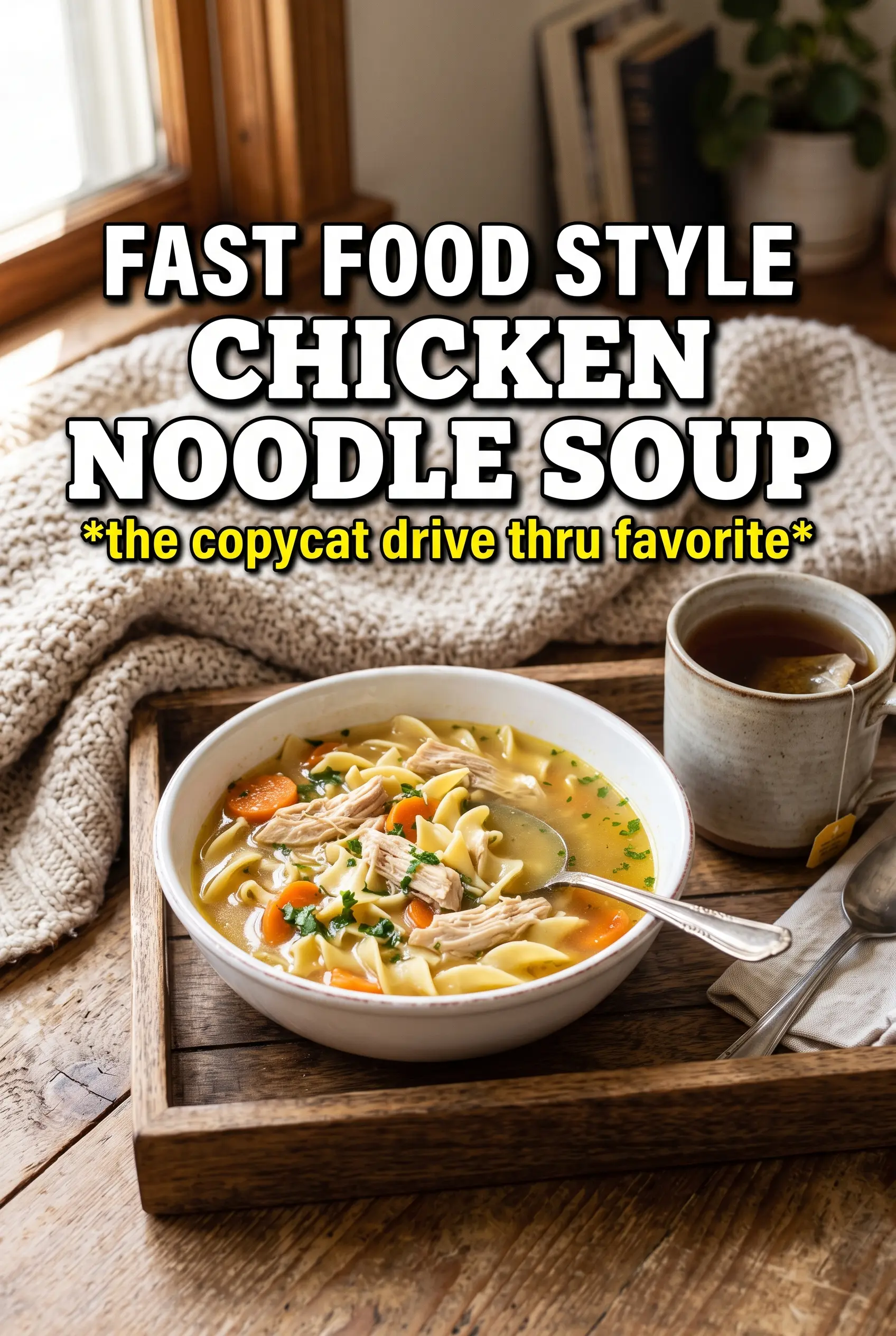
Chick-Fil-A Chicken Noodle Soup (Copycat)
Ingredients
Equipment
Method
- Bring the chicken broth and water to a boil in a large pot, then keep it at a steady simmer. Heat is the cue: you should see active bubbles across the surface.
- Add the carrots, celery, onion, garlic, dried parsley, dried thyme, and garlic powder, then simmer for 10 minutes until the vegetables are just tender. Watch for a gentle bubbling that keeps the broth clear rather than vigorously boiling.
- Add the finely diced chicken and corn kernels, then simmer for 5 minutes. The cue is that the chicken warms through and the corn turns bright and fragrant.
- Add the egg noodles and cook for 6 to 8 minutes until tender. Stir occasionally and look for noodles that are cooked through but not mushy.
- Season with salt and pepper to taste. The cue is a balanced broth flavor that tastes clean and not flat.