Clear broth, tender chicken, and soft egg noodles give this chicken noodle soup that Panera-style comfort people keep coming back for. The broth stays clean and golden instead of cloudy, and the vegetables still have enough structure to taste like something, not just background noise. It’s the kind of bowl that feels familiar right away, but it still tastes like you paid attention.
The trick is building flavor in the pot before the broth goes in. Onion, carrot, and celery need a few minutes in the oil so the soup starts with sweetness instead of raw vegetable sharpness. After that, the chicken simmers gently and the noodles go in at the very end, which keeps them from turning bloated and mushy. That small timing change makes a bigger difference than most people expect.
Below you’ll find the one mistake that makes chicken noodle soup dull, plus a few smart ways to adapt this if you want it a little richer, a little lighter, or better for leftovers.
The broth stayed so clear and the noodles held their shape even after reheating. My husband said it tasted like the Panera soup he always orders, and the whole pot disappeared in one night.
Save this copycat Panera chicken noodle soup for the nights when you want clear broth, tender chicken, and noodles that stay just right.
The Clear Broth Problem That Makes Homemade Chicken Noodle Soup Taste Flat
A good chicken noodle soup lives or dies on the broth. If it tastes thin, the whole bowl tastes tired, even when the chicken is tender and the noodles are cooked just right. The mistake is usually rushing the base: vegetables go in and out too fast, the broth never gets enough seasoning, and the noodles sit long enough to soak up flavor without giving much back.
This version avoids that by layering the flavor in stages. The onion, carrot, and celery soften first so their sweetness gets into the oil, then the herbs bloom in the broth instead of tasting dusty or sharp. Chicken breast works here because it stays clean and light, which keeps the soup in Panera territory instead of turning rich and heavy. Broken egg noodles matter too; shorter pieces distribute better in each spoonful and don’t clump the way long noodles can.
- Chicken breast — Cut it into 1-inch pieces so it cooks quickly and stays tender. Larger chunks take longer and can get stringy before the noodles are done.
- Chicken broth — This is where quality matters most. A rich broth gives you the clean, savory base Panera-style soup depends on; if yours tastes weak from the carton, the finished soup will too.
- Egg noodles — Use the classic wide ones, but break them into shorter lengths before cooking. That small move makes the soup easier to eat and keeps the noodles from tangling into one mass.
- Thyme, rosemary, and poultry seasoning — Together, they give the soup that familiar bakery-café taste. If you only have thyme and rosemary, the soup still works; the poultry seasoning just adds a rounder, more finished flavor.
- Fresh parsley — Add it at the end. Dried parsley disappears here, but fresh parsley wakes up the broth and keeps the soup from tasting heavy.
What Each Ingredient Is Actually Doing in This Recipe
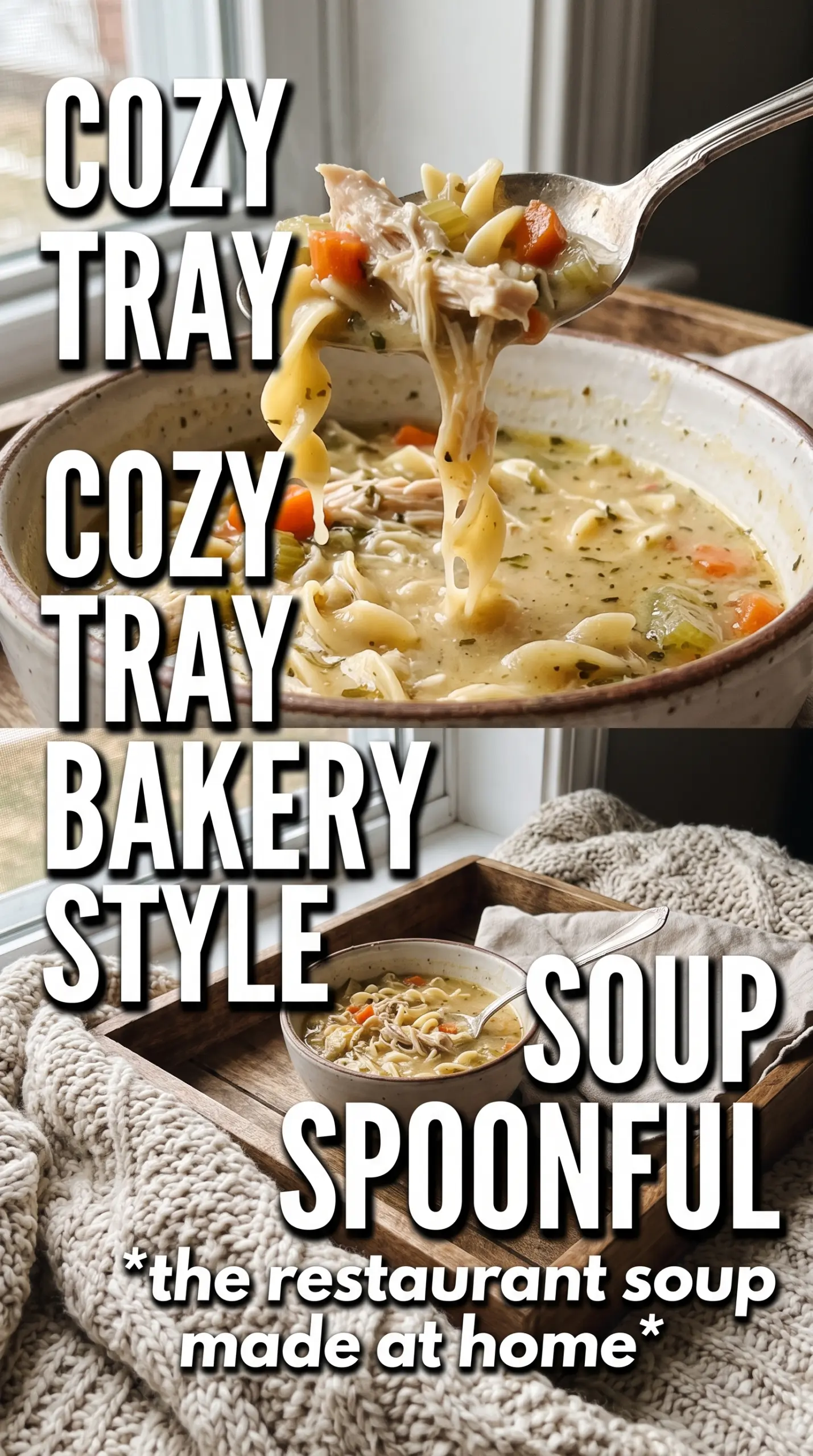
- Primary ingredient (the star) — Quality matters most. Choose the best you can find.
- Cooking medium (oil, butter, or broth) — This carries flavors and prevents dryness.
- Seasonings (salt, pepper, spices, herbs) — Layer flavors so nothing overpowers. Build depth gradually.
- Aromatics (garlic, onion, herbs) — Cook with fat to bloom flavors. Become the foundation.
- Supporting ingredients — Complement the main ingredient without overpowering it.
- Sauce or liquid (if applicable) — Brings flavors together. Balance richness with acid.
- Acid (lemon, vinegar, wine, or other) — Brightens and prevents flat-tasting results.
- Final finish (garnish, glaze, or sauce) — Prevents one-dimensional taste and adds visual appeal.
Building the Soup So the Noodles Stay Tender, Not Bloated
Softening the vegetables first
Heat the olive oil in a large pot and cook the onion, carrots, and celery for about 5 minutes, just until the onion turns translucent and the carrots start to lose their raw edge. You’re not trying to brown them. If they color too much, the broth can take on a deeper, sweeter note that pulls this away from the clean Panera-style finish.
Adding the herbs to the broth
Stir in the garlic for about a minute, then pour in the broth and add the thyme, rosemary, and poultry seasoning. The broth should come up to a steady boil before you add the chicken, but not a hard, aggressive boil the entire time. If the herbs taste flat, the broth probably needed a little more salt than you think; seasoning the liquid early is what keeps the soup from tasting like warm broth with ingredients floating in it.
Cooking the chicken gently
Add the chicken pieces and let them simmer for about 12 minutes, just until they’re cooked through and no longer pink in the center. Keep the heat at a gentle simmer so the chicken stays juicy. If the broth is boiling hard, the edges of the chicken tighten up and the pieces can go dry before the center finishes.
Finishing with the noodles at the end
Stir in the broken egg noodles and cook them for 6 to 7 minutes, just until they’re al dente. This is the point where people usually overdo it, because the noodles keep softening after the heat comes off. Pull the pot as soon as the noodles are tender with a little bite left, then stir in the parsley and season with salt and pepper until the broth tastes full, not just salty.
Three Practical Ways to Adjust This Soup Without Breaking It
For a dairy-free bowl that still tastes full
This soup is naturally dairy-free as written, which is part of why it stays light and clear. If you want it to taste a little richer without adding cream, use a better broth and don’t skimp on the final salt and pepper. That’s what gives the bowl depth without changing the texture.
For a gluten-free version
Swap the egg noodles for a gluten-free pasta that holds up well in soup, then cook it separately if you’re planning leftovers. Gluten-free noodles can break down faster in the pot, so keeping them apart gives you the best texture the next day.
For a richer, more filling soup
Add a little extra chicken, or replace part of the broth with a homemade stock if you have it. That gives the soup more body, but keep the liquid clear and avoid heavy cream if you want it to stay close to the Panera copycat style.
Storage and Reheating
- Refrigerator: Store for up to 4 days. The noodles will keep absorbing broth, so expect the soup to thicken as it sits.
- Freezer: It freezes best without the noodles. Freeze the broth, chicken, and vegetables, then add fresh noodles when reheating for the best texture.
- Reheating: Warm it slowly over medium-low heat until steaming. If it’s too hot, the noodles turn mushy and the chicken goes stringy. Add a splash of broth or water if the soup has tightened up in the fridge.
Questions I Get Asked About This Recipe
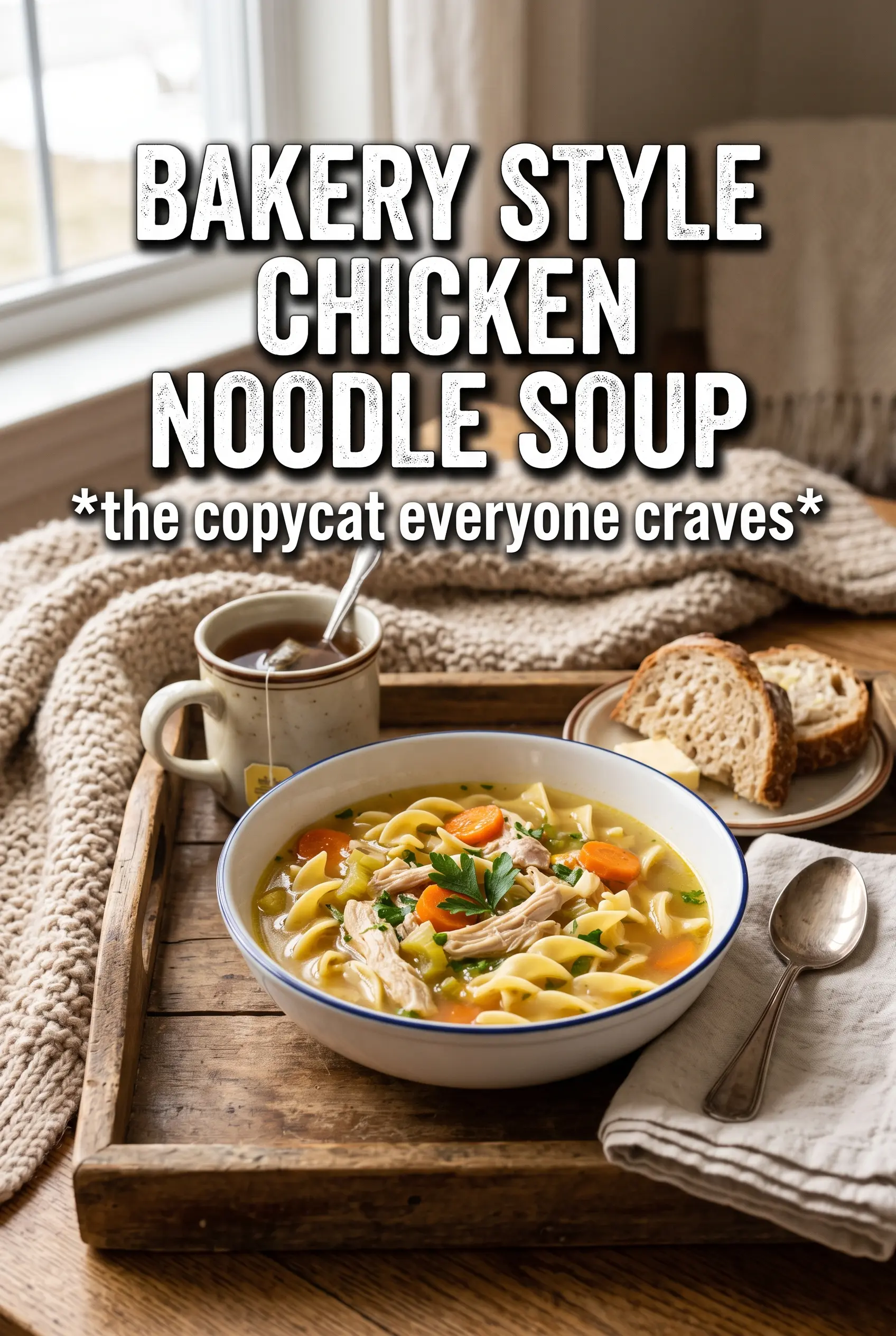
Copycat Panera Bread Chicken Noodle Soup
Ingredients
Equipment
Method
- Heat the olive oil in a large pot over medium heat. Sauté the onion, carrots, and celery for 5 minutes, until softened and glossy.
- Add the garlic and cook for 1 minute, stirring until fragrant. Add the chicken broth, thyme, rosemary, and poultry seasoning.
- Bring the soup to a boil, then reduce to a gentle simmer. Keep the surface lightly moving for a clear broth.
- Add the diced chicken pieces to the pot. Simmer for 12 minutes until cooked through and no longer pink in the center.
- Add the broken egg noodles to the simmering soup. Cook for exactly 6-7 minutes until just al dente and tender but not soft.
- Stir in the fresh parsley and turn off the heat. Season generously with salt and pepper to taste for a well-balanced broth.