Campfire popcorn in a can turns a simple snack into part of the evening show. The kernels pop right over the flames, and what comes out is light, crisp popcorn with a smoky edge that tastes better than anything bagged from a store. It’s the kind of hands-on camping food people remember because it feels a little old-fashioned and a lot more fun than opening chips.
The key here is ventilation and constant shaking. Those small holes in the can let steam escape so the popcorn stays crisp instead of soggy, and the oil helps the kernels heat evenly without scorching as long as you keep the can moving. A coffee can with a lid and a sturdy wire handle makes the whole setup manageable, but the real trick is watching the popping slow down before you pull it off the fire.
Below, I’ve included the one mistake that ruins campfire popcorn fastest, plus a few easy ways to season it once it’s in the bowl. If you’ve only made popcorn on the stove, this version is worth trying the next time the fire’s already going.
The popcorn popped up light and crunchy, and the coffee can stayed easy to handle over the fire once we kept it shaking the whole time. My kids thought it was the best part of camping.
Like this campfire popcorn in a can? Save it for the next night around the fire when you want a smoky, crunchy snack with almost no cleanup.
The Part That Keeps the Kernels From Steaming Instead of Popping
The mistake most people make with campfire popcorn is treating the can like a sealed pot. It isn’t. If steam stays trapped inside, the kernels go soft, the oil gets gummy, and you end up with a few popped pieces and a lot of stubborn kernels at the bottom. The small holes in the base give the moisture somewhere to go, which keeps the popcorn crisp as it cooks.
Shaking matters just as much. A campfire doesn’t heat evenly the way a stove burner does, so the kernels closest to the hot spot can scorch while the others lag behind. Constant motion spreads the heat and keeps the oil from sitting still long enough to burn.
- Vent holes — These are what separate decent popcorn from chewy popcorn. Punch several small holes in the bottom, not the sides, so steam escapes without letting kernels fall through.
- Vegetable oil — A neutral oil handles campfire heat better than butter. Butter can be added after popping, when it won’t scorch.
- Metal coffee can — You need something that can take direct heat and be held safely over the fire. Thin disposable containers won’t hold up the same way.
- Wire handle — Use sturdy wire, not thin string or soft twine. The can gets hot fast, and the handle needs to stay secure while you shake it.
What Each Ingredient Is Actually Doing in the Can
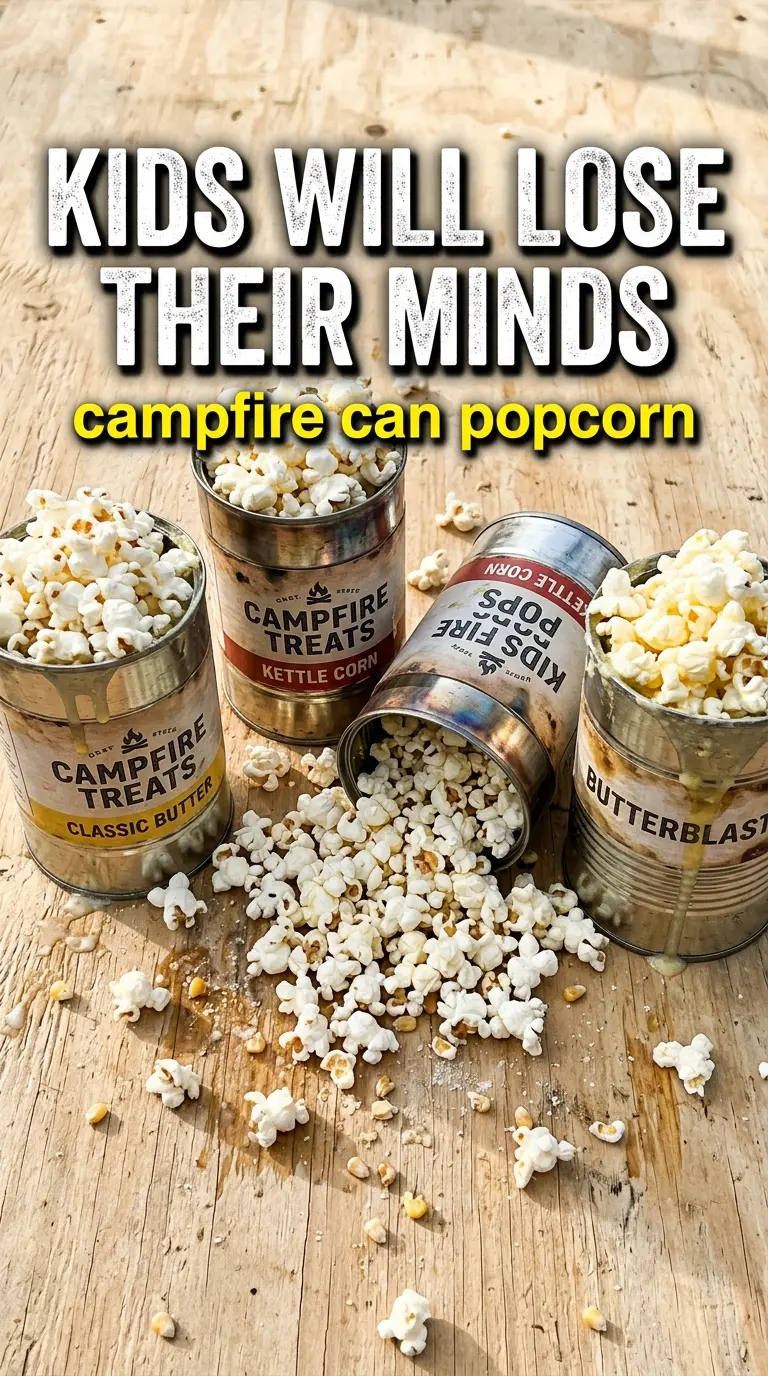
- Popcorn kernels — Use fresh kernels if you can. Older kernels still pop, but the yield drops and you get more unpopped bits. Popcorn that’s been sitting in a humid pantry for months is usually the biggest culprit when this snack fails.
- Vegetable oil — This helps the heat transfer evenly to the kernels. You can swap in canola or another neutral oil without changing the result much, but don’t use olive oil if you want a clean campfire taste; it can get bitter over high heat.
- Salt — Salt after popping, not before. Salt inside the can can stick to the oil and settle unevenly, which makes the first handful too salty and the rest bland.
- Melted butter — Totally optional, but it adds the classic movie-popcorn finish. Drizzle lightly over the bowl and toss while the popcorn is still warm so it coats instead of pooling at the bottom.
How to Pop It Over the Fire Without Burning the Batch
Prep the Can the Right Way
Punch several small holes in the bottom of the coffee can before anything else. You want enough ventilation for steam to escape, but not big enough openings for kernels to sneak out. Add the kernels and oil, then secure the lid so the can stays closed while you shake it. If the lid sits loose, popcorn can jump out and the whole setup gets messy fast.
Keep the Can Moving Over the Heat
Hold the can over the campfire and shake it constantly. The motion is what keeps the kernels from scorching on one side while the rest lag behind. You’ll hear the popping start in bursts, then build into a steady rattle. When the popping slows to a few seconds between pops, pull the can off right away; waiting too long is how you burn the last kernels and give the whole batch a bitter edge.
Finish in the Bowl, Not in the Can
Carefully remove the lid and pour the popcorn into a bowl as soon as it comes off the fire. Don’t leave it sitting in the hot can, because the trapped heat keeps cooking it and can make the bottom layer taste toasted in the wrong way. Salt it while it’s warm so the seasoning clings, then add melted butter if you’re using it.
How to Change It for Different Camps and Snack Moods
Dairy-Free Butter Finish
Skip the butter and finish with extra salt, smoked paprika, or a little nutritional yeast. You still get a flavorful snack, and the popcorn stays lighter and less greasy.
Sweet-and-Salty Campfire Popcorn
Toss the finished popcorn with a spoonful of melted butter and a dusting of cinnamon sugar. Add the sugar after popping, not before, or it can scorch in the can and leave a burnt taste.
No Coffee Can? Use Another Metal Can
Any clean, sturdy metal can with a lid can work as long as it’s deep enough to let the kernels move around. The shape matters less than the heat tolerance and the ability to vent steam.
Storage and Reheating
- Refrigerator: Best eaten the same day. Once popcorn sits overnight, it loses its crispness and turns stale faster than most snacks.
- Freezer: Don’t freeze it. Popcorn picks up moisture and goes chewy when it thaws.
- Reheating: If it softens, spread it on a baking sheet and warm it in a low oven for a few minutes to dry it out. A microwave won’t help here; it usually makes the texture worse.
Answers to the Questions Worth Asking
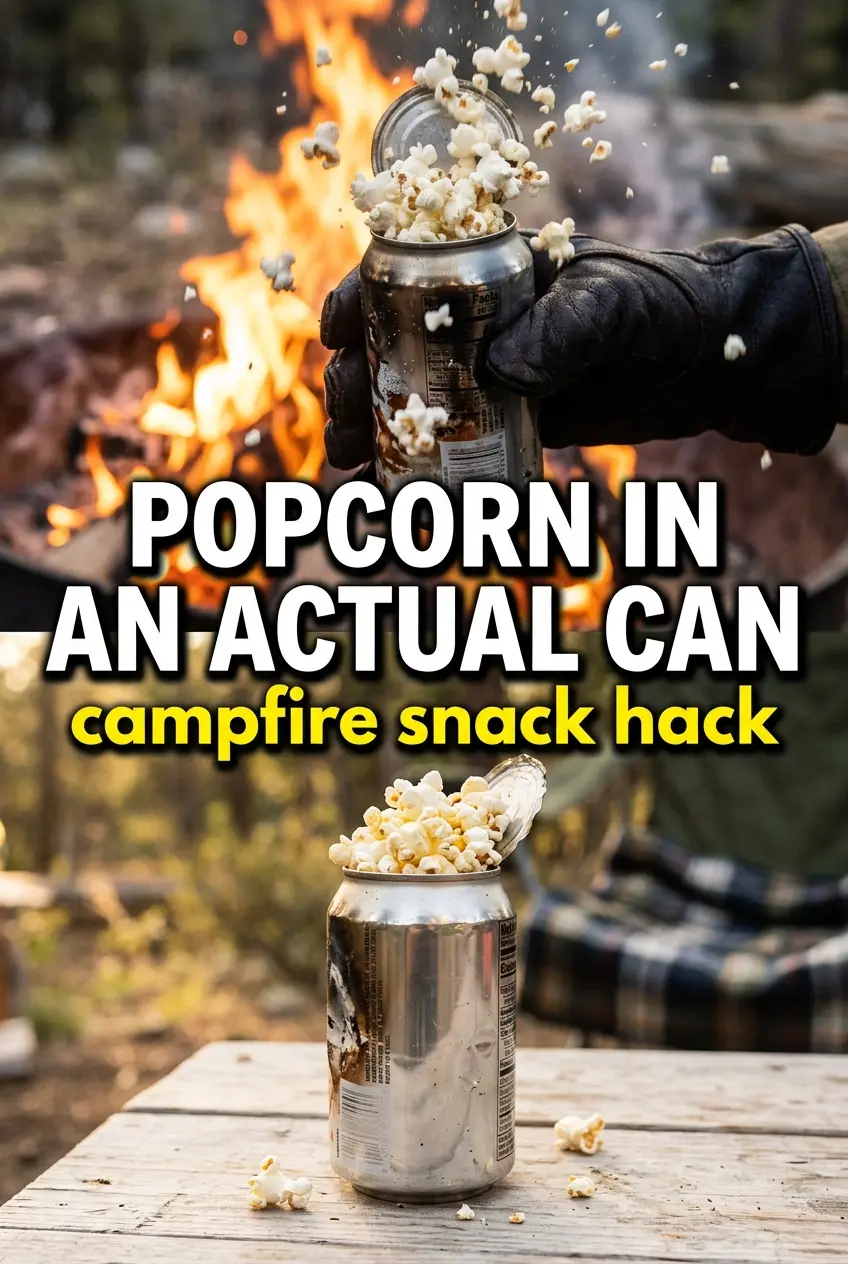
Campfire Popcorn in a Can
Ingredients
Equipment
Method
- Punch several small holes in the bottom of the large metal coffee can with lid for ventilation, so steam can escape as kernels heat.
- Add popcorn kernels and vegetable oil to the can, then secure the lid with the holes keeping airflow consistent while popping.
- Create a handle by wrapping coat hanger or sturdy wire around the can so you can hold and shake it safely over the campfire flames.
- Hold the can over campfire flames and shake constantly for 8-10 minutes, watching for kernels popping actively and then slowing noticeably.
- Carefully remove the lid and pour the popcorn into a bowl, keeping it hot so butter melts and salt sticks.
- Season with salt and, if desired, butter, melted, then toss lightly until the popcorn looks evenly coated.