Juicy Greek chicken earns its place in the weekly rotation because the marinade does two jobs at once: it seasons the meat all the way through and helps the surface cook up with a deep, savory edge. The result is chicken that tastes bright with lemon, fragrant with oregano, and still stays tender enough to slice or shred without turning stringy. It’s the kind of dinner that looks simple on the plate but lands with a lot more flavor than the ingredient list suggests.
The trick here is balance. Lemon gives the chicken that classic Greek lift, but too much acid for too long can make the outside dry and a little chalky. Olive oil softens the edges, garlic brings the base note, and the herbs keep the whole thing from tasting flat. Once the chicken hits the grill, the goal is clean heat and patience. You want good browning without chasing the meat around or cutting into it before it’s had time to rest.
Below, I’ll show you how to keep the chicken juicy on the grill, which herb swap works best if you don’t have fresh oregano, and how to adapt this for different cuts without losing that bright Mediterranean flavor.
The marinade gave the chicken that bright lemon-oregano flavor all the way through, and the grill marks were perfect without drying out the edges. I did the full 4-hour soak and it came off the grill juicy enough to slice for salads the next day.
Juicy Greek chicken with lemon, oregano, and a quick grill deserves a spot on your dinner board.
The Marinade Window That Keeps Greek Chicken Juicy Instead of Dry
With chicken, marinade time is the difference between flavorful and overworked. The lemon needs long enough to season the meat, but not so long that the acid starts tightening the outer layer. Four to six hours is the sweet spot for most chicken pieces. You still get that classic Greek brightness, but the texture stays supple instead of stringy.
If you’re using boneless pieces, they’ll take on flavor quickly and can get a little firm if they sit too long. Bone-in chicken has more forgiveness because the thicker pieces protect the meat from the acid. Either way, the grill does the last bit of work, so stop marinating before the chicken starts looking pale or slightly cured around the edges.
What the Lemon, Olive Oil, and Oregano Each Bring to the Pan
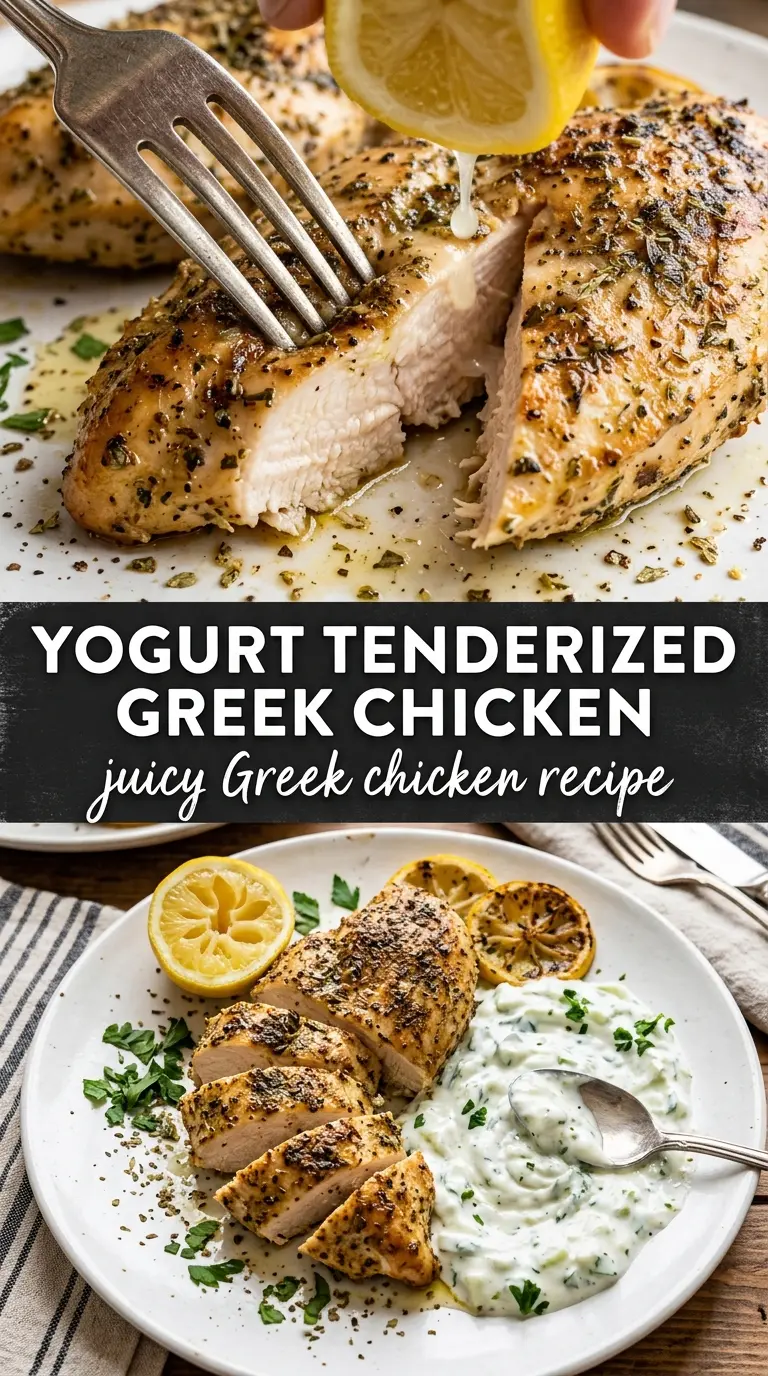
- Chicken pieces — Thighs stay the juiciest and are the safest choice if you’re nervous about overcooking, but breasts work too if they’re similar in size and you pull them at 165°F. If you use a mix, put the thicker pieces on the cooler part of the grill first so everything finishes together.
- Olive oil — This carries the garlic and herbs across the surface and helps the chicken brown instead of sticking. A decent everyday olive oil is fine here; save the expensive finishing oil for the table.
- Lemon juice and zest — The juice seasons and tenderizes, while the zest gives you the bold citrus aroma that survives the grill. Don’t skip the zest if you want that unmistakable Greek chicken smell when the lid comes off.
- Fresh oregano — Fresh oregano tastes sharper and greener, which makes the chicken taste brighter. Dried oregano works in a pinch, but use less because it’s more concentrated and can turn dusty if you overdo it.
- Garlic — Minced garlic goes into the marinade for a savory edge, but keep the pieces fine so they don’t burn on the grill. If your garlic is very strong, rinse off big clumps before cooking so the exterior doesn’t taste bitter.
Grilling the Chicken Without Losing the Juices
Coating the Chicken Evenly
Whisk the marinade until the oil and lemon look emulsified, then coat the chicken thoroughly so every surface gets covered. A quick stir halfway through the marinating time helps if the pieces are sitting in a dish and not fully submerged. If the chicken only gets a thin slick of marinade, the flavor stays on the outside and won’t taste as complete.
Letting the Grill Do the Browning
Lay the chicken on a medium-high grill and leave it alone long enough to pick up clean grill marks. If it sticks when you try to turn it, it usually isn’t ready yet; give it another minute and it should release on its own. Flipping too early tears the surface and leaks the juices you’re trying to keep inside.
Checking for Doneness and Resting
Cook until the thickest part reaches 165°F, then move the chicken off the heat and let it rest for 5 minutes. That pause lets the juices settle back into the meat instead of running out onto the cutting board. If you slice too soon, even perfectly cooked chicken can taste drier than it should.
Boneless Chicken Breast for a Leaner Finish
Use boneless breasts if you want a lighter meal, but cut them into even-sized pieces or pound them to a uniform thickness so they cook at the same rate. They’ll take the marinade well, though they won’t stay as forgiving on the grill as thighs. Pull them as soon as they hit temperature or they’ll dry out fast.
Oven or Broiler Instead of the Grill
If grilling isn’t an option, roast the chicken on a hot sheet pan or broil it close to the heat source. You won’t get the same smoky edges, but the marinade still gives you strong lemon and herb flavor. Keep an eye on the top so the garlic doesn’t scorch before the center is done.
Dairy-Free, Gluten-Free, and Naturally Low-Carb
This recipe already fits dairy-free, gluten-free, and low-carb eating without any changes. The cleanest way to serve it is with Greek salad, grilled vegetables, or rice if you want something more filling. That makes it an easy base recipe when you’re cooking for mixed diets.
Extra Lemon and Herb Finish
If you want the lemon to pop a little harder, add a squeeze of fresh juice and a few chopped oregano leaves after grilling instead of loading more acid into the marinade. That gives you a brighter finish without tightening the meat. It’s the best move when the chicken is already perfectly seasoned but needs a lift on the plate.
Storage and Reheating
- Refrigerator: Store in an airtight container for up to 4 days. The flavor deepens overnight, and sliced leftovers are great cold or warmed.
- Freezer: It freezes well for up to 2 months, though the texture is best if you freeze it cooked and sliced with a little marinade or pan juices. Thaw in the refrigerator, not on the counter.
- Reheating: Warm gently in a covered skillet over low heat with a splash of water or broth. High heat dries out grilled chicken fast, especially breast meat, so keep the lid on and stop once it’s just heated through.
Questions I Get Asked About This Recipe

Juicy Greek Chicken
Ingredients
Equipment
Method
- Whisk together olive oil, lemon juice, lemon zest, garlic, oregano, thyme, salt, and pepper until the mixture is evenly combined and fragrant.
- Add chicken pieces to the marinade and coat well, then cover and refrigerate for 4 to 24 hours.
- Grill the chicken over medium-high heat until the internal temperature reaches 165°F, turning as needed for even browning.
- Transfer grilled chicken to a plate and let rest for 5 minutes before serving.