Chicken noodle soup hits the table with the kind of comfort that comes from a broth that tastes like it spent the afternoon getting good and the kind of noodles that stay tender without turning mushy. The best bowls have balance: clear, savory broth; chicken that shreds into soft pieces; and vegetables that still taste like themselves instead of fading into the background. That’s what makes this version worth keeping in rotation.
The trick is building the flavor in layers. Onion, carrot, and celery go in first so they soften and give the broth a little sweetness before the liquid even hits the pot. Bone-in chicken matters here because it gives you more depth than boneless meat alone, and the bay leaves plus thyme keep the broth tasting round instead of flat. Egg noodles go in at the end for a reason: if they simmer too long, they drink up the broth and go bloated fast.
Below, I’ve included the small timing details that keep the vegetables from going limp and the noodles from overcooking. I’ve also added a few swaps and storage notes, because this is one of those soups people come back to again and again.
The broth came out clear and rich, and the egg noodles stayed perfectly tender instead of falling apart. I loved that the chicken shredded so easily after simmering, and the thyme with parsley gave it that classic soup taste my kids kept going back for.
Save this classic chicken noodle soup for the nights when you want a clear, savory broth and tender noodles without a lot of fuss.
The Broth Gets Flat When You Boil It Too Hard
A good chicken noodle soup doesn’t need an aggressive boil once the chicken goes in. Hard boiling can make the broth cloudy and can push the chicken toward stringy and dry before the noodles ever show up. A gentle simmer keeps the broth clean-tasting and gives the vegetables time to soften without collapsing.
The other common mistake is adding the noodles too early. Egg noodles soak up liquid fast, and if they sit in the pot for too long, they turn swollen and soft while the broth disappears around them. Add them only after the chicken is shredded and returned to the pot, then cook just until tender.
What Each Ingredient Is Actually Doing in This Soup
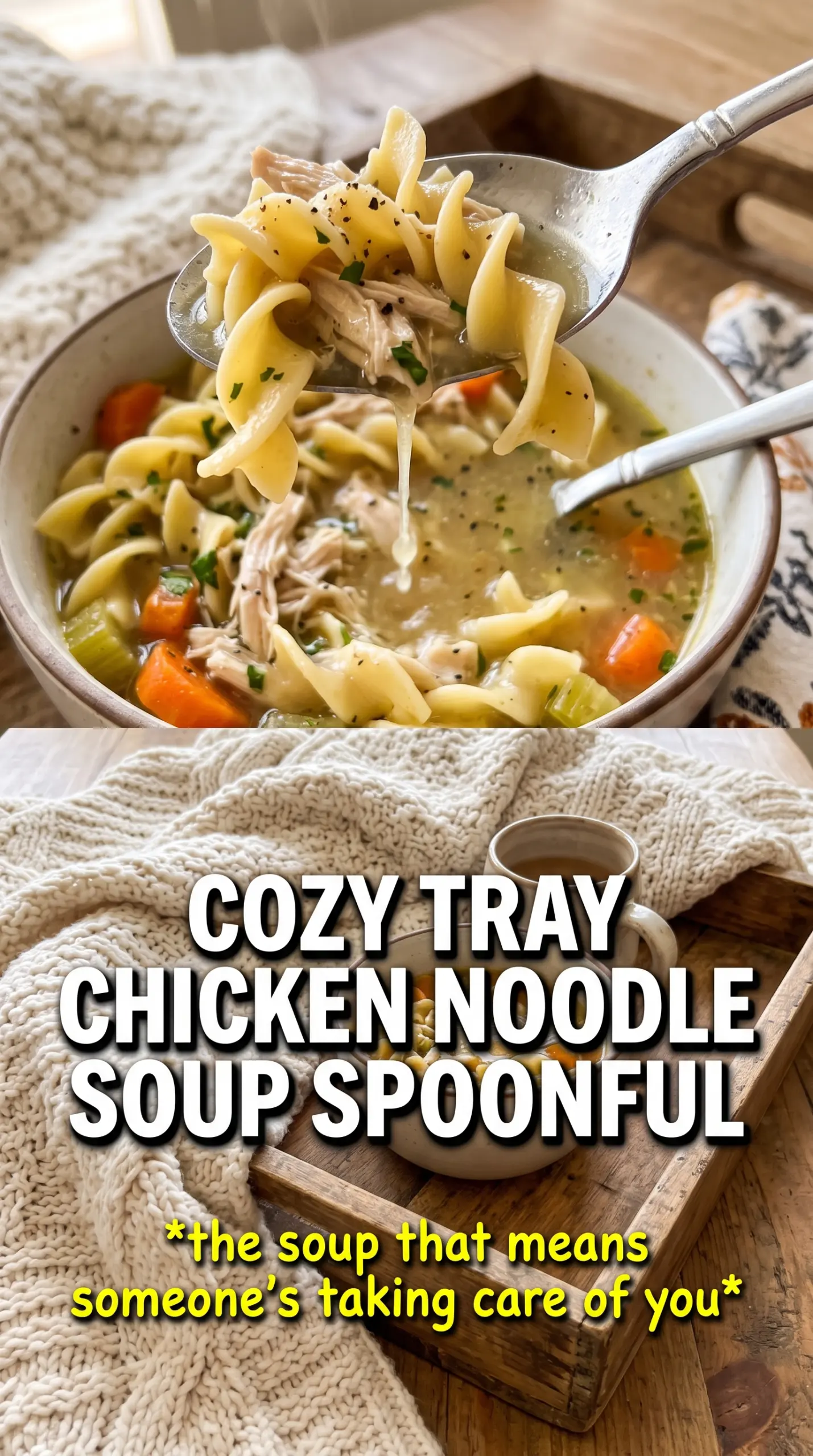
- Bone-in chicken breasts or thighs — Bone-in chicken gives the broth more body and a deeper savory taste than boneless pieces. Thighs stay a little juicier, while breasts give you a leaner soup. If you only have boneless chicken, shorten the simmer and watch it closely so it doesn’t dry out.
- Carrots, celery, and onion — This is the backbone of the soup. Cooking them first softens their edges and pulls sweetness into the pot, which keeps the broth from tasting thin. Dice the onion small so it melts into the base; slice the carrots and celery evenly so they cook at the same pace.
- Chicken broth plus water — The broth carries the main flavor, while the water keeps the soup from turning too salty or heavy after the chicken simmers. If your broth is low-sodium, you’ll get more control at the end. If it’s full-salt, hold back on seasoning until the chicken and noodles are in.
- Egg noodles — These are the right noodle for a classic bowl because they cook quickly and have that soft, familiar texture. If you swap in a sturdier pasta, it needs a longer simmer and the soup will feel a little less traditional. No matter what you use, add it at the very end.
- Thyme, dried parsley, and bay leaves — These herbs give the broth its familiar chicken soup smell and keep it from tasting one-note. Bay leaves matter more than people think here; they don’t shout, but they deepen the broth in a quiet way. Pull them out before serving so nobody gets an unpleasant surprise in their bowl.
Building the Soup in the Right Order
Softening the Vegetables First
Heat the olive oil in a large pot over medium heat, then add the onion, carrots, and celery. Cook them for about 5 minutes, just until the onion turns translucent and the vegetables start to soften at the edges. If the heat is too high, the onion browns before the carrots get a chance to release their sweetness, and the base tastes sharp instead of round.
Simmering the Chicken in the Broth
Add the garlic and cook for about 1 minute, just until fragrant, then pour in the chicken broth, water, thyme, parsley, bay leaves, and chicken. Bring it to a boil only long enough to get everything moving, then drop the heat to a steady simmer. You want small bubbles, not a rolling boil, so the broth stays clear and the chicken cooks evenly.
Shredding and Finishing with Noodles
After 20 to 25 minutes, the chicken should be cooked through and pull apart easily with two forks. Take it out, remove the bay leaves, and shred the meat before returning it to the pot. Add the egg noodles last and cook 6 to 8 minutes, stirring once or twice so they don’t stick together; pull the pot off the heat as soon as the noodles are tender, because they keep softening in the hot broth.
How to Adapt This Chicken Noodle Soup Without Losing What Makes It Work
Use thighs for a richer bowl
Chicken thighs bring a little more richness and stay especially tender after simmering. They’re the better choice if you like a broth that tastes deeper and a chicken texture that’s soft rather than lean. Breasts work too, but they need a close eye so they don’t dry out.
Make it gluten-free
Swap the egg noodles for a gluten-free noodle that holds up in soup, then cook it at the very end just like the original. Gluten-free pasta can go from firm to soft fast, so check it a minute early. The broth, chicken, and vegetables already do the heavy lifting, so this swap works well.
Add more vegetables without muddying the broth
Mushrooms, peas, or chopped spinach all fit here, but add delicate vegetables at the end so they stay bright. Hearty vegetables can go in with the carrots and celery. The key is not crowding the pot, or the broth starts tasting more like vegetable stew than chicken noodle soup.
Store it without soggy noodles
Refrigerator: Store in an airtight container for up to 4 days. The noodles will keep soaking up broth, so the soup gets thicker by day two. Freezer: Freeze the broth, chicken, and vegetables without the noodles for up to 3 months, then cook fresh noodles when you reheat. Reheating: Warm it gently over medium-low heat until steaming; if the soup seems too thick, add a splash of broth or water before serving, not after it boils down further.
Answers to the Questions Worth Asking

Chicken Noodle Soup
Ingredients
Equipment
Method
- Heat olive oil in a large pot over medium heat, then add onion, carrots, and celery. Sauté for 5 minutes, stirring occasionally, until the vegetables begin to soften and look glossy.
- Add garlic and cook for 1 minute, stirring until fragrant. Then add chicken broth, water, thyme, parsley, bay leaves, and chicken and bring the pot to a boil.
- Reduce the heat to maintain a gentle simmer and cook for 20-25 minutes until the chicken is cooked through. You should see small bubbles across the surface and the chicken turning opaque.
- Remove the chicken to a plate and shred with two forks, then return it to the pot. Remove bay leaves from the soup as you transfer everything back.
- Bring the soup back to a simmer, then add egg noodles and cook for 6-8 minutes until tender. The noodles should soften and the broth should look slightly thickened.
- Season generously with salt and pepper and stir well to distribute evenly. Finish by scattering fresh parsley across the surface for a bright green garnish.