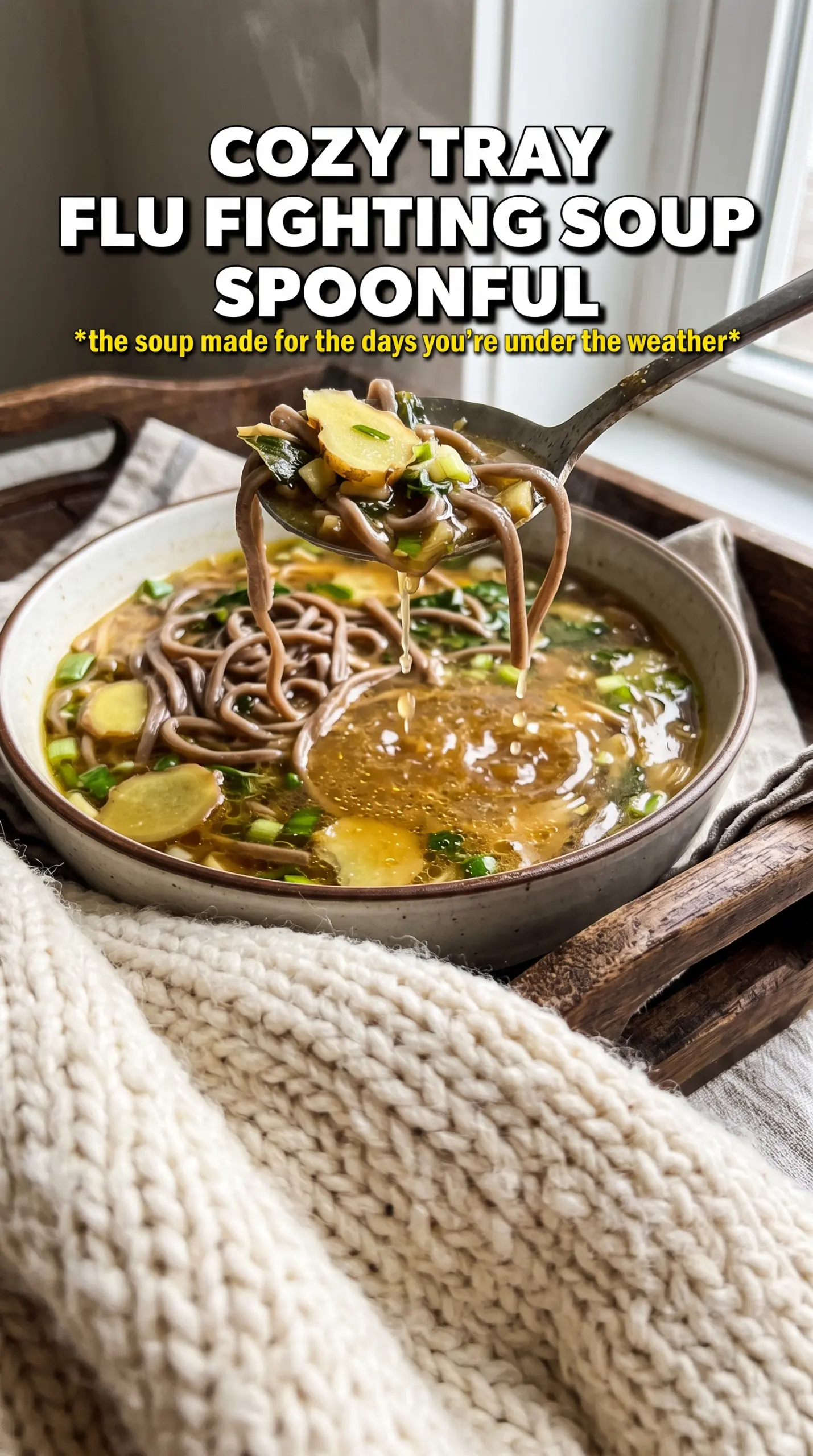
Deeply golden chicken noodle soup like this earns its place on repeat because it tastes like the broth actually did something. The ginger and garlic build a warm base, the turmeric brings color and earthiness, and the lemon at the end keeps the whole pot bright instead of heavy. It still feels like classic chicken noodle soup, just with more backbone and a little more snap.
Bone-in chicken matters here because it seasons the broth from the inside out while the soup simmers. That extra hour of flavor doesn’t require fancy technique, just a little patience and the right order: simmer the chicken first, shred it back into the pot, then cook the noodles in the broth so they soak up everything instead of tasting plain. The honey and apple cider vinegar don’t make it sweet or sour; they round out the heat and sharpen the finish so each spoonful tastes complete.
Below, I walk through the small details that keep the broth clean and fragrant, plus a few ways to adapt it if you want it a little spicier, lighter, or easier to store for later.
The broth turned out rich and golden, and the lemon at the end kept it from tasting flat. My kids even ate the ginger and garlic without complaining, which never happens here.
Save this golden ginger chicken noodle soup for the next time you want a broth that tastes comforting, bright, and actually soothing.
The Broth Needs Time to Get Bold, Not Just Hot
The biggest mistake with chicken noodle soup is rushing the pot until the broth tastes like warm water with vegetables in it. Garlic, ginger, turmeric, and thyme need time in the liquid to spread out and mellow. When the soup simmers gently, the broth turns fragrant and layered instead of sharp or muddy.
The other trap is boiling it hard. A hard boil can cloud the broth and make the chicken tighten up before it has a chance to soften. Keep the heat at a steady simmer once it comes up, and skim off any foam if you want the cleanest-looking broth. That low, patient heat is what gives this soup its deep color and settled, homemade taste.
What Each Ingredient Is Actually Doing in This Pot
- Bone-in chicken — This gives the broth more body and a richer finish than boneless meat alone. If all you have is boneless chicken, the soup still works, but it will taste lighter and less rounded.
- Fresh ginger and garlic — These are the backbone of the soup’s warmth. Fresh is worth it here; dried versions won’t give the same bright, aromatic lift. Grate or mince them fine so they melt into the broth instead of floating around in bits.
- Turmeric — This adds the deep golden color and a gentle earthy note. Use the full teaspoon, but don’t overdo it, or the soup can turn bitter.
- Lemon juice and apple cider vinegar — The acid wakes up the broth at the end. Lemon brings brightness; vinegar adds a little extra depth. Add both after the noodles are cooked so the flavor stays fresh instead of cooked flat.
- Egg noodles — These soak up broth fast, which is why they go in near the end. If you want leftovers that hold up better, cook the noodles separately and add them to each bowl.
The Order That Keeps the Soup Clean, Fragrant, and Not Mushy
Building the Aromatic Base
Start everything in one large pot with the chicken, carrots, celery, onion, garlic, ginger, broth, turmeric, cayenne, and thyme. The vegetables should be fully submerged or mostly covered so the broth can carry the flavors evenly. Bring it up to a boil only long enough to get things moving, then drop it down right away.
Simmering Until the Chicken Shreds Easily
Cook at a gentle simmer for 25 to 30 minutes, until the chicken is cooked through and the broth smells rounded, not raw. If the pot is boiling hard, the chicken can get stringy before it becomes tender. Pull the pieces out when they’re just done; overcooked chicken goes dry fast once it’s shredded.
Returning the Chicken and Cooking the Noodles Last
Shred the chicken into bite-size pieces and put it back in the pot before adding the noodles. Egg noodles only need 6 to 8 minutes, and they should be tender but still have a little spring. If you cook them too long, they break down and thicken the broth more than you want.
Finishing With Acid and Seasoning
Stir in the honey, lemon juice, and apple cider vinegar at the end, then taste for salt and pepper. This is where the soup wakes up. If it tastes flat, it usually needs salt first, then a little more lemon before anything else.
How to Adapt This Soup for Different Needs
Gluten-Free Noodle Swap
Use gluten-free egg noodles or rice noodles, but watch the simmer closely. Gluten-free noodles can go from tender to soft faster than wheat noodles, and some of them thicken the broth more quickly. If you want the cleanest texture, cook them separately and add them to each bowl.
Dairy-Free and Naturally Light
This soup is already dairy-free, which makes it easy to serve to a lot of people. The richness comes from the chicken, broth, and long simmer, not cream or butter. If you want it even lighter, use skinless chicken and skim any excess fat from the surface before adding the noodles.
Spicier Broth for Stuffy Days
Increase the cayenne to 1/2 teaspoon or add a pinch of red pepper flakes with the broth. That raises the warmth without changing the structure of the soup. Add it early if you want the heat to blend in, or at the end if you want a brighter bite.
Storage and Reheating
- Refrigerator: Store for up to 4 days. The noodles will keep soaking up broth, so expect the soup to thicken.
- Freezer: Freeze the broth and chicken without the noodles for best results. Noodles turn soft after thawing, so add a fresh batch when you reheat.
- Reheating: Warm gently over medium-low heat until steaming. If it looks too thick, add a splash of broth or water before heating fully. Boiling hard can break the noodles and dull the lemon at the end.
Answers to the Questions Worth Asking

Flu-Fighting Chicken Noodle Soup
Ingredients
Equipment
Method
- Combine chicken, carrots, celery, onion, garlic, ginger, chicken broth, turmeric, cayenne pepper, and dried thyme in a large pot.
- Bring to a boil over high heat, then reduce to a steady simmer and cook 25-30 minutes, until the chicken is cooked through and tender.
- Remove the chicken from the pot, shred it, and return the shredded chicken to the broth.
- Add egg noodles and simmer 6-8 minutes, stirring occasionally, until the noodles are tender.
- Stir in honey, lemon juice, and apple cider vinegar and season with salt and pepper to taste.
- Serve hot with fresh parsley and extra lemon wedges for squeezing over the top.